

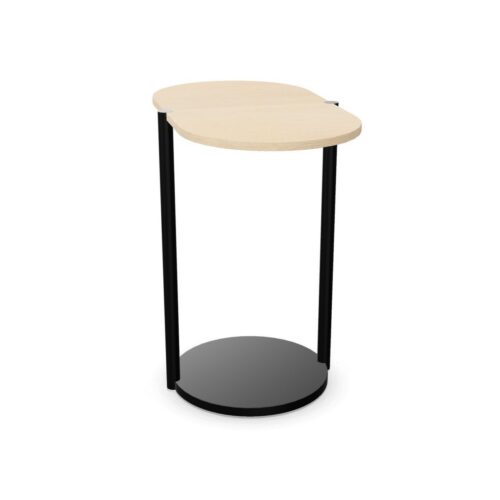
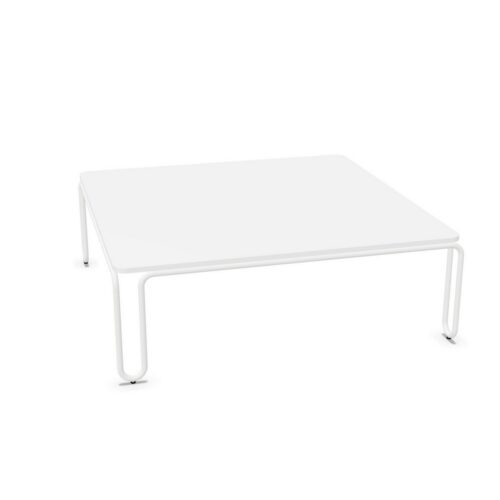
Reception Desks and Coffee Tables for Workplaces

Reception desks and coffee tables serve different stages of a workplace visit: the arrival interaction and the time spent waiting or meeting nearby. Planning them together starts with keeping those roles clear. A reception desk should have an understandable relationship with the entrance and the visitor approach. A coffee table needs a defined place within the waiting area, where its surface can be used without disrupting movement through the space.

Compare reception desks and coffee tables through the sequence of arrival, check-in, waiting, and departure. Identify where visitors first look, where they stop to speak, and which route they follow afterward. Then assess the desk position and table placement against that sequence. A coordinated appearance can connect the area visually, but each piece still needs to suit its own activity and its particular relationship with the people using it.

3 models
From €19.33 p/m
10 models
From €16.65 p/m
18 models
From €27.49 p/m
6 models
From €28.06 p/m
3 models
From €125.11 p/m
4 models
From €31.59 p/m
5 models
From €7.81 p/m
2 models
From €11.34 p/m
8 models
From €8.77 p/m
Price on request
Price on request
Price on request
Price on request
Price on request
Price on request
Price on request

Plan reception desks and coffee tables around arrival

Start at the entrance and follow the visitor journey. The reception desk should be recognizable from the intended approach, with a clear place for someone to pause and speak. Locate the coffee table within the waiting area rather than allowing it to become an obstacle on the way to reception. Review what happens when a visitor is already standing at the desk and another person enters. The arrangement should make the next step understandable without relying on an empty room or requiring people to move through the waiting area to find the reception point.

Assess the reception desk from both sides

The visitor-facing view is only part of desk planning. Consider how the person using the desk approaches their position, interacts with visitors, and reaches the items required for the reception process. Establish those needs before comparing forms. When evaluating reception desks and coffee tables together, avoid assuming that visual coordination establishes practical suitability. Confirm the relevant details of each desk for the intended work, including any specific requirements for equipment or interaction. Treat features such as integrated storage or cable provision as matters to verify for the particular design, rather than attributes implied by the product name.

Give the coffee table a defined surface role

Decide what the coffee table is expected to hold and who needs to reach it. A surface intended for refreshments has a different planning brief from one used to present reading material. Consider the occupied waiting area, including people arriving with personal belongings. Check that reaching the table does not require someone to step into the main circulation route or interrupt the reception interaction. Review its shape and position in relation to the surrounding waiting places. The useful comparison is how clearly the surface serves its intended users, rather than how it appears in isolation.

Coordinate the area through proportion and alignment

A reception desk and a coffee table do not need identical outlines to belong in the same interior. Their different roles may call for different visual emphasis. Establish which element visitors should notice first, then compare the relationship between their profiles and positions. Alignment can connect the reception point with the waiting area while preserving a clear route between them. Review the composition from the entrance and again from the waiting position. Include the everyday items that will occupy the surfaces in that review, because the appearance of an unused surface can differ from its intended working arrangement.

Frequently asked questions

Should the desk and table share the same appearance?

Reception desks and coffee tables can relate through proportion, outline, or placement without appearing identical. First establish the different tasks they support. Then select a visual relationship that connects the area while keeping the reception point easy to recognize.

Where should visitors stop when approaching reception?

Provide an obvious approach to the visitor-facing side of the desk. Consider the route of later arrivals and people leaving the area. The stopping position should support the interaction without turning the main entrance route into an informal queue.

How should a coffee table relate to the waiting area?

Place it according to who will use its surface and what they need to reach. Assess the arrangement with the waiting positions occupied. Keep access to the table distinct from the route people use to approach or leave reception.

Explore related selections