



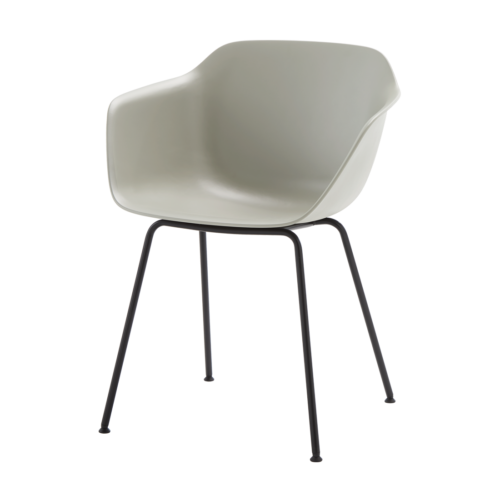
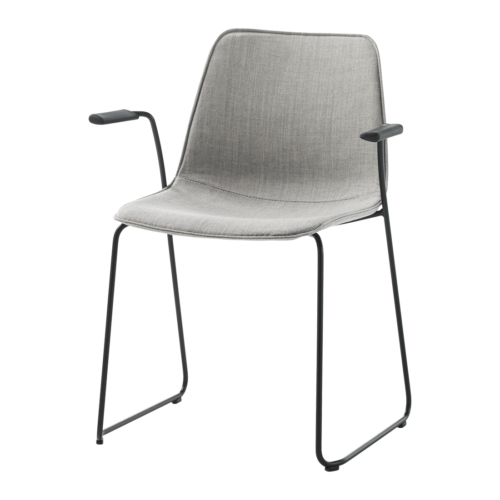
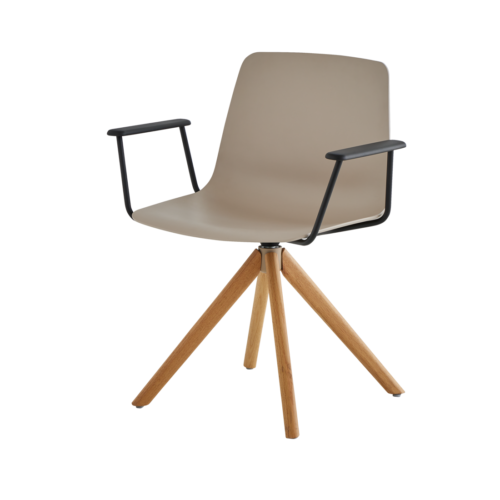


Refreshing rooms with lounge furniture with era upholstery and gold upholstery
Document the interior elements that will remain before reviewing the furniture. Include the main backdrop, adjoining areas and features visible from the entrance. This establishes the context in which the gold upholstery will be seen and helps separate necessary coordination from details that do not affect the seating composition.
Then define the intended change. The lounge may need a clearer focal area, a different relationship to reception or a more deliberate conversation arrangement. A specific objective gives the upholstery and color decision a practical role, rather than leaving the refresh dependent on color alone.
Test gold against the retained palette
Review the actual upholstery sample beside the colors that will stay. Assess the relationship under the lighting intended for ordinary use, including the conditions most relevant to the room's busiest periods. Consider how the gold appears from the main approach as well as at close range.
Decide whether the color should echo an existing detail or introduce a separate emphasis. Avoid requiring every surrounding element to repeat it. A more useful review asks where the eye meets the seating, how much gold is visible and whether that amount supports the intended hierarchy of the room.
Bring appearance and placement into one review
Assess the preferred arrangement with the gold appearance reference visible alongside it. Include the furniture views that the final positions will expose. A side facing the entrance or a back visible from an adjoining room can influence the refresh as strongly as the front of the seating.
Record the reasons for the selected composition: the retained elements it relates to, the activity it accommodates and the view it establishes. These points provide a useful basis for checking later adjustments. If a seat moves, review the resulting visual balance and the route around it together.
