

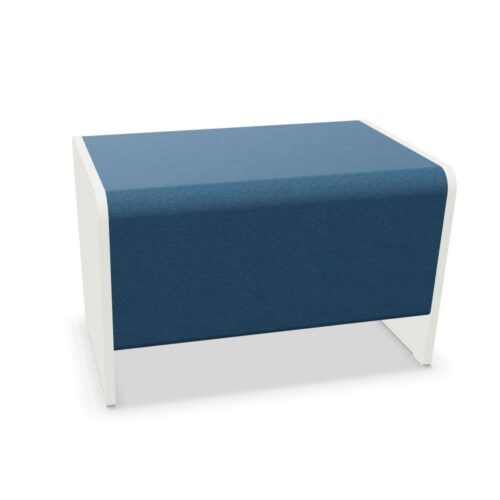
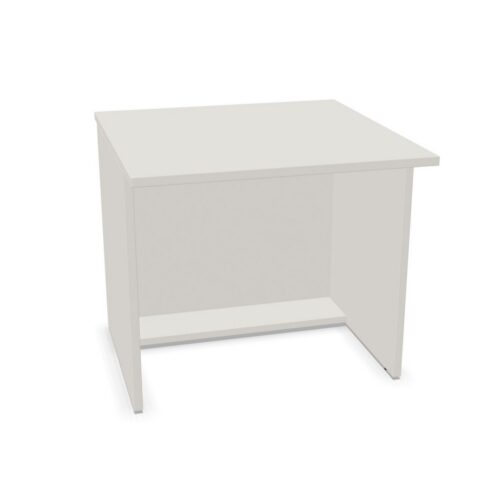
Lounge Furniture With Fabric Upholstery and Melamine Bases

lounge furniture with fabric upholstery and melamine bases calls for a considered relationship between the seating and the room around it. In reception areas and shared lounges, the base appearance can contribute to the composition alongside fabric color and overall form. Begin with the intended placement: against a room boundary, beside an open route, or within a seating group visible from several directions.

Each position changes what people see and therefore what deserves attention during comparison. A view across the room may emphasize the upholstered body, while a nearby approach can make the base more noticeable. Assess the actual color and appearance of both selected materials. Then consider whether the lounge should align visually with surrounding interior elements or establish a distinct seating area. This provides a practical direction without assuming that the material combination determines a particular construction or style.

6 models
From €5.43 p/m
2 models
From €25.56 p/m
2 models
From €33.03 p/m

Placing lounge furniture with fabric upholstery and melamine bases

Establish whether the furniture belongs along the room boundary or within an open seating arrangement. At the perimeter, its relationship with the wall becomes central to the composition. In an open position, the furniture may be seen from several directions, making a wider review of the visible base and upholstery useful.

Mark the principal approaches on the room plan and identify the views that reveal the base most clearly. Use those views when comparing alternatives. This keeps attention on the parts of the furniture that contribute to the actual interior rather than on a preferred presentation angle.

Coordinate base appearance with the room structure

Compare the visible melamine base appearance with the established colors of the floor, walls, and nearby furniture. Decide whether the base should repeat a room color or remain distinct. Then review the fabric color within that relationship, because it may become the largest color area in the seating composition.

When assessing lounge furniture with fabric upholstery and melamine bases, treat color and form as separate decisions from the selected materials. A shared material description does not establish an identical appearance. Evaluate the actual relationship of each alternative to the room elements that will remain beside it.

Give perimeter seating a deliberate orientation

Seating near a wall still needs a clear relationship with the activity in front of it. Consider whether people should face an arrival point, a neighboring group, or the center of the lounge. Avoid allowing the available boundary alone to determine the orientation without considering the intended setting.

Check the route between this seating and the main workplace destinations. People should be able to approach the group without crossing another conversation area. Once the arrangement is established, return to the material relationship and assess how the fabric and bases appear against the background visible from the room.

Document the combination precisely

A comparison brief should identify fabric upholstery and melamine bases, then separately record the actual colors and visible form. Do not infer a particular internal construction or surface appearance from the material names. Keep any additional project requirements explicit and verify them separately before they influence selection.

For lounge furniture with fabric upholstery and melamine bases, include both a room view and the most revealing nearby approach. Explain which color relationships are essential to the interior. This gives reviewers a common basis for deciding whether an alternative supports the planned lounge composition.

FAQ

Does melamine specify the visible base color?

No. Review the actual appearance of the base separately. Compare it with the fabric color and surrounding interior so that the decision reflects the complete combination rather than the material name alone.

What should guide seating placed along a wall?

Start with the intended view and activity in front of the seating. Then check the approach route and relationship with neighboring groups before refining the color connection between upholstery, base, and background.

How should an open lounge arrangement be reviewed?

Assess it from the main entry and each regular passing route. These views show how the fabric and visible bases contribute to the room and whether the arrangement presents a coherent composition.

Explore related selections