

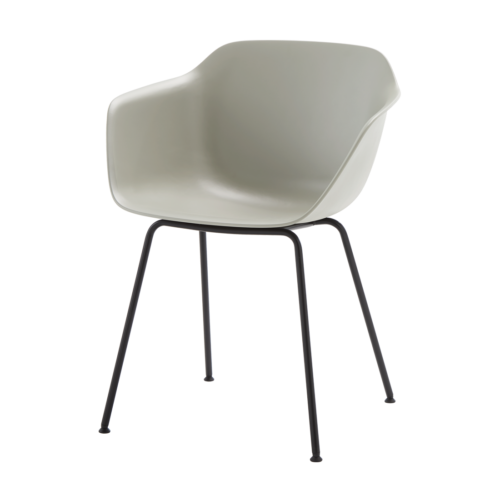
Lounge Furniture With Mesh Covering Upholstery and Steel Bases

lounge furniture with mesh covering upholstery and steel bases pairs a mesh-covered seating surface with a steel base. For a shared lounge, this combination calls for attention to the actual appearance of both elements: the visible character of the covering and the form and finish of the base. Neither material description establishes the furniture’s comfort, ventilation, or suitability for a particular activity.

Begin by deciding how the seating should relate to adjacent workplace areas. A lounge beside meeting rooms may need a different orientation from a waiting area near an entrance. Once that purpose is clear, compare the mesh covering and steel base in the context of the room’s other visible surfaces. Review the furniture both individually and as a group. Repeated surface patterns and overlapping base forms can influence the overall composition, so the complete arrangement deserves as much attention as a close view of an individual seat.

5 models
From €15.52 p/m
6 models
From €15.37 p/m
5 models
From €17.40 p/m
5 models
From €5.06 p/m
17 models
From €4.61 p/m

Reviewing lounge furniture with mesh covering upholstery and steel bases

Examine the mesh covering at close range before deciding how it belongs in the room. Establish its actual color and visible pattern, then consider how those qualities read from the main approach. Do not infer the construction beneath the covering from its surface appearance.

Next, review the steel base as part of the same composition. Its visible form and confirmed finish may either repeat or differ from surrounding furniture details. Assess this relationship directly. The material names identify the selected pairing, but they do not describe the complete visual character of the furniture.

Balance surface detail across the lounge

For lounge furniture with mesh covering upholstery and steel bases, compare the covering with nearby patterned surfaces. Look at the arrangement from normal viewing positions to establish whether those details remain distinct or compete for attention. A close inspection and a room view answer different planning questions.

Avoid resolving the upholstery choice in isolation. Include the floor, surrounding seating, and any adjacent tables in the visual review. Where several surfaces have strong visible detail, decide which should lead the composition. This helps the mesh covering feel intentional within the room without assuming any particular pattern or degree of openness.

Give each seating position a clear relationship

Map how people are expected to use the lounge. For conversation, review whether the seats face one another in a way that supports the intended interaction. For waiting, consider the relationship to the entrance and the point where visitors will be received.

Check that people can approach a seat without crossing awkwardly through the center of an occupied group. Review the visible steel bases alongside surrounding furniture supports, since overlapping forms may complicate the floor-level composition. These observations concern the actual arrangement; mesh and steel alone do not determine whether the layout works.

Ask material-specific questions carefully

When assessing lounge furniture with mesh covering upholstery and steel bases, keep appearance, care, and suitability as separate subjects. Confirm the relevant care guidance for the covering and the actual base finish. Do not apply generic assumptions about mesh or steel to the complete furniture.

If a project requires evidence about a particular use condition, obtain that information explicitly for the item being considered. A visible covering does not establish airflow, and a steel base does not establish the performance of the whole structure. Recording the actual requirements first makes the resulting comparison more precise and easier for colleagues to review.

Frequently asked questions

Does mesh covering establish ventilation or comfort?

No. Those qualities cannot be established from the material description alone. Assess the complete furniture and any relevant supporting information against the intended use. Keep visual observations about the mesh separate from conclusions about the seating experience.

How can mesh be coordinated with other patterns?

Compare the actual covering with the room's surrounding surfaces from both close and distant views. Decide which visible detail should have the strongest presence. This provides a clearer basis for coordination than considering each patterned surface separately.

Should steel bases match adjacent furniture supports?

A matching appearance is one option, but it is not essential. Compare the confirmed finish and visible shape with nearby supports. A deliberate relationship can come from color, form, or placement without requiring every base to look identical.

Explore related selections