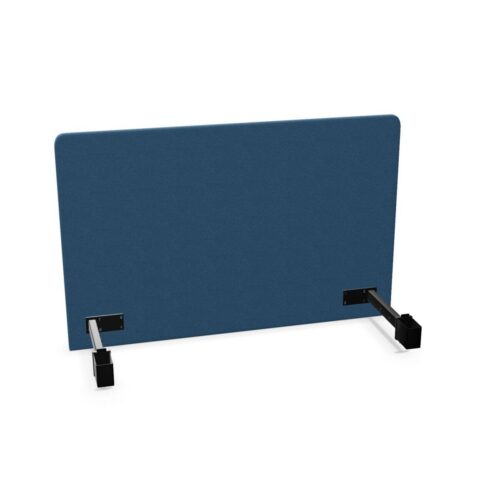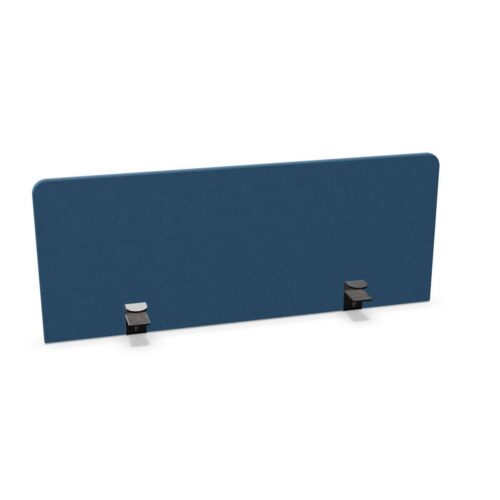


Blue Angel certified office furniture can give procurement teams a recognised environmental reference point when comparing desks, seating, storage and other workplace products. Blue Angel is a long-established German ecolabel, awarded to products that meet defined environmental and health-related requirements for a particular product group.
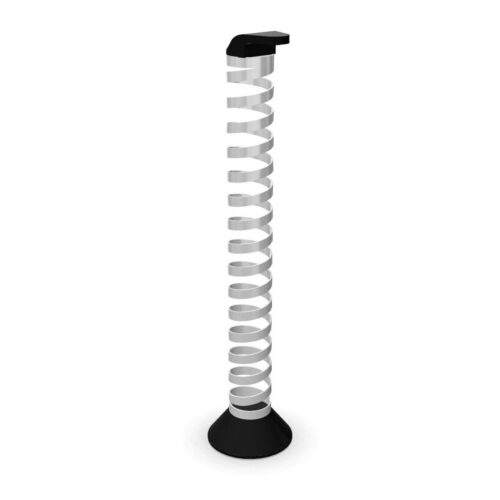
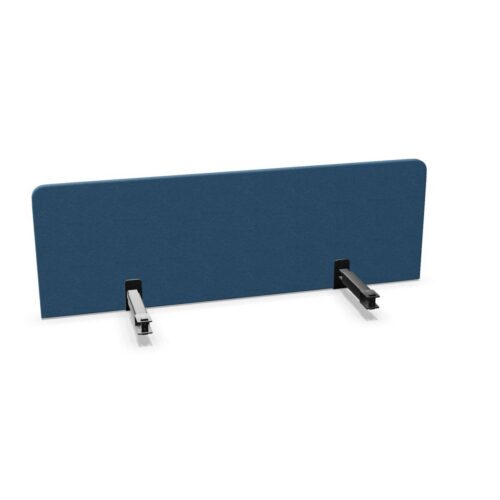
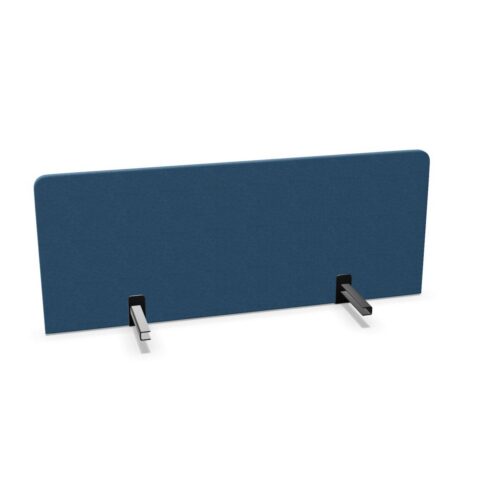
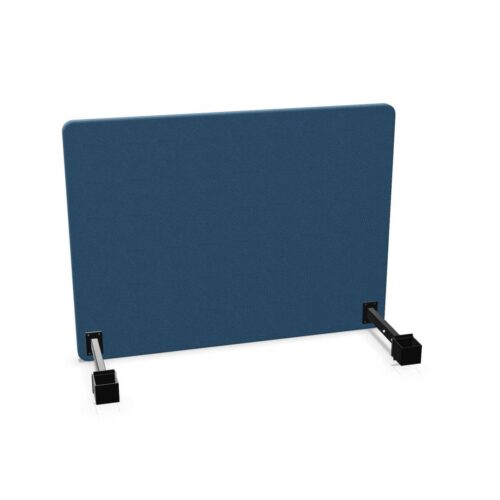
The products shown on this page carry the Blue Angel certification. As with any environmental label, the relevant criteria, licence and evidence should be checked against the specific product and the requirements of your project, tender or internal purchasing policy.
What does Blue Angel mean for office furniture?
Blue Angel, known in Germany as Der Blaue Engel, is an independent environmental label. It is intended to identify products with comparatively lower environmental impacts and appropriate standards of quality and fitness for use within their category. For office furniture, the assessment can address issues such as material selection, substances used in production, emissions into indoor air, durability and information for users.
The exact requirements depend on the applicable Blue Angel product criteria. They may differ between, for example, office chairs, furniture made from wood-based materials or other furnishing elements. A Blue Angel label should therefore be read as product-specific evidence rather than as a blanket statement about an entire manufacturer, collection or workplace fit-out.
Why the certification matters in furniture procurement
Furniture decisions affect more than initial specification. They influence the materials brought into a workplace, the useful life expected from a product and the information available to facilities, sustainability and procurement teams. A recognised third-party label can make it easier to introduce consistent environmental requirements into a tender or buying framework.
For organisations managing multiple sites or recurring projects, Blue Angel can also provide a practical way to narrow an initial longlist. It does not replace due diligence, but it can help structure conversations with suppliers and support a documented selection process.
- It provides an identifiable environmental criterion for eligible product ranges.
- It can support requests for evidence on materials, emissions and product suitability where these are covered by the relevant standard.
- It gives purchasing teams a common reference when comparing specifications from different suppliers.
- It may be useful when internal policies require independently verified environmental information.
Blue Angel and indoor workplace considerations
Office furniture is used for long periods in enclosed settings, so indoor environmental quality is often a relevant consideration. Depending on the applicable product group, Blue Angel requirements can include limits or assessment criteria concerning emissions and the substances used in furniture components, coatings, adhesives or upholstery-related materials.
This does not mean that all workplace air-quality questions are resolved by a single label. The wider environment includes flooring, finishes, cleaning products, ventilation and the combined quantity of materials in a space. For a sensitive environment or a project with defined indoor-air objectives, ask for the product documentation relevant to the item being specified and assess it alongside the rest of the fit-out.
Where Blue Angel furniture can be useful
The certification can be relevant wherever an organisation wants to include environmental and occupant-focused considerations in its furniture brief. It is particularly useful where buying decisions need to be transparent, repeatable and supported by clear product evidence.
- Corporate offices and shared workspaces with formal procurement policies.
- Public-sector, education and healthcare-related workplace projects, subject to their own specification requirements.
- Refurbishments where materials and indoor conditions form part of the project brief.
- Multi-site workplace programmes that need consistent criteria across locations.
- Organisations gathering evidence for environmental, social and governance reporting processes.
Blue Angel may sit alongside other requirements, such as dimensions, ergonomics, fire performance, accessibility, maintenance needs, warranty terms and circularity arrangements. The appropriate balance will depend on how the furniture is used and who is responsible for its ongoing management.
Furniture types to compare
Blue Angel-certified products can be considered across different furniture categories, rather than being limited to one style of workstation. On this archive, product listings may include items intended for individual work areas, collaborative settings, storage or supporting workplace functions. Always review the individual listing to establish the certified product configuration and the information provided for it.
When selecting desks and tables, consider the worktop, frame, adjustment requirements and cable-management needs as separate practical factors. For seating, account for the intended duration of use, user adjustment, fabric or finish selection and replacement-part availability. Storage and ancillary furniture should be assessed for capacity, location, access and the materials appropriate to the setting.
How to use the label in a specification
Rather than treating a certification as a simple tick-box, define what evidence is needed at each stage of procurement. Early in a project, Blue Angel can be used as a filter or as one accepted route for demonstrating an environmental requirement. At approval stage, retain the supporting information for the exact item, finish or configuration ordered.
A clear specification can avoid ambiguity where product families have several variants. It should identify whether the requirement applies to every item, only to particular categories, or to a defined proportion of the furniture package. It should also state how equivalent evidence will be assessed if this is relevant to the procurement process.
Questions to consider
- Does the certificate or licence apply to the precise product model and configuration being selected?
- Which version of the Blue Angel criteria is relevant, and is the documentation current for the project?
- Are there additional requirements for recycled content, repair, disassembly or end-of-use handling?
- Will the proposed furniture meet the ergonomic, technical and spatial needs of the workplace?
- What product information should be retained for audit, handover and future asset management?
Blue Angel within a broader sustainable procurement approach
Environmental labels are most useful when combined with a considered approach to need, utilisation and product life. Before choosing new furniture, organisations may assess whether existing assets can be retained, repaired, reconfigured or redeployed. Where new items are required, durability, adaptability, maintainability and the availability of replacement parts can all affect the practical lifetime of a workplace asset.
Documentation also matters. Recording the product selected, its configuration and the evidence reviewed can help teams maintain consistency across projects and explain procurement decisions later. Read more about sustainable procurement of office furniture for a wider view of specification, use and circular workplace planning.
Considering reporting and governance requirements
For many organisations, furniture purchasing is increasingly connected to broader governance and reporting processes. Certification evidence can be one useful input, but it should be matched to the measures, boundaries and data requests used by the organisation. Avoid assuming that a product label alone substantiates every sustainability claim or reporting metric.
Procurement, workplace and sustainability teams can work together to decide what evidence is proportionate for each project, how it will be stored and how supplier declarations are reviewed. Our guide to ESG and workplace furniture procurement explores the relationship between workplace purchasing decisions and wider organisational reporting considerations.
Browse the Blue Angel-certified furniture listed here alongside Myntwork’s relevant office furniture categories, using individual product details to confirm the certification information and suitability for your workplace.