


EPD available office furniture includes chairs, acoustic dividers, tables and upholstered lounge pieces. An Environmental Product Declaration presents assessed life-cycle information for a defined product or product group. It can help a project team examine environmental impacts, but availability of a document is not a claim that the furniture has the lowest impact or will suit every room.
Understand what the declaration contains
An EPD is built from a life-cycle assessment under product category rules and is published through a programme with verification requirements. It describes the scope, assumptions and impact indicators for the covered product. The figures are meaningful only when the same boundaries and methods are considered. A declaration should be read, not treated as a simple pass-or-fail badge. A project team may be interested in global warming potential, resource use or another indicator; the document provides the definitions and numbers to support that question. Record which indicator is being compared and why it matters to the brief.
For EPD available office furniture, check the declared product, registration or programme details, issue date and validity. A chair with one base or upholstery may not be identical to the version in the document. If a project requires quantified information, retain the EPD for the exact configuration or a clearly covered product family.
Use chairs for the right kind of seating
The range includes side chairs with castors, conference seating and lounge forms. A mobile side chair can support a changing meeting layout; a fixed chair may give a dining or visitor area a more settled pattern. Compare seat height, base and upholstery with the table and duration of use. Leave room behind occupied seats for people to move.
EPD available office furniture can help with an environmental review once a functional shortlist exists. The EPD does not state whether a chair gives enough adjustment for a particular desk or user. Keep the seating assessment and environmental data as related but separate parts of the decision.
Place acoustic dividers intentionally
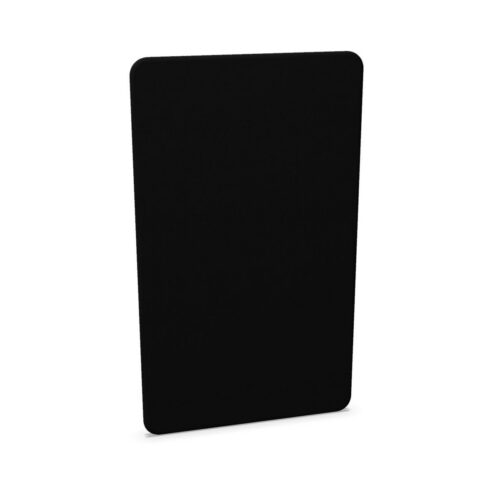
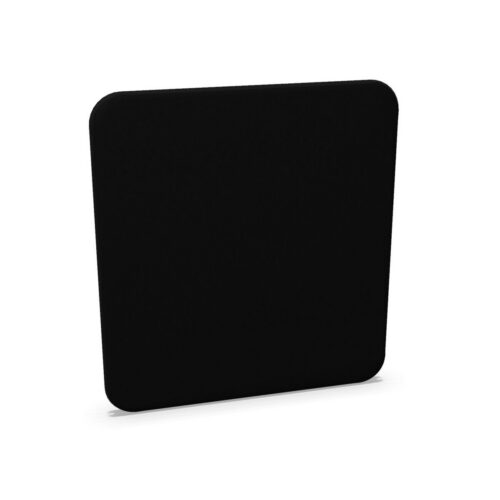
Freestanding acoustic room dividers can mark the edge of a team area or help establish a quieter zone. Decide what the screen is meant to separate and how people will move around it. A tall divider can provide a visual boundary but may also block a view or narrow an entrance if placed without an occupied floor plan.
The EPD addresses environmental information, not the divider’s acoustic rating. Check the separate acoustic data when sound control matters. Compare the selected panel fabric, frame and base with the version covered in the declaration, especially if the system offers several configurations.
Consider tables and sofas within the same review
A round dining table and a modular sofa serve different activities, yet both can have declarations available. At a table, check the number of usable positions, legroom and route behind chairs. With a sofa, confirm module orientation, access to each seat and the relation to a low supporting table.
Within EPD available office furniture, do not compare impact numbers across unlike products as if they perform the same function. A table, chair and divider may have different declared units and life-cycle boundaries. Use each EPD to understand that item, and compare like-for-like alternatives only when the documents permit a fair comparison.
Keep the product schedule precise
A useful schedule records the selected model, configuration, finish and the EPD that covers it. Also note the publication date, since a revised version may supersede an older document during a long project. This is particularly important where a seating family has many upholstery choices or a divider system has several bases. The document may list included variants or assumptions that determine how closely it matches the supplied piece.
EPD available office furniture is most valuable when environmental data sits alongside a workable room plan. First determine what the space needs, then review the declarations for suitable items. That approach turns document availability into a practical part of selection without losing sight of the people who will use the furniture.







Boss Design


Boss Design


