PEFC certified office furniture can include desks, desk screens and accessories with forest-based materials. The PEFC system links forest management certification with chain-of-custody controls for covered wood and fibre. It provides a sourcing reference, not a measure of desk ergonomics or screen acoustics. The relevant claim should be checked for each finished item and configuration.
Understand the forest-material claim
PEFC chain of custody tracks eligible material through processing and manufacture so certified claims can be made on products. On-product labels can distinguish PEFC Certified from PEFC Recycled, and the details of the claim matter. A PEFC Certified label concerns a defined share of eligible forest-based content with controlled sources where permitted; a recycled claim has its own requirements. Read the actual label wording instead of translating both into a broad statement that the entire product is made from certified forest wood. A desk with a wood-based top may also include metal, electrical and plastic components. The forest-material claim does not automatically describe those other parts.
For PEFC certified office furniture, check the exact product, label or accompanying document. If a desk has several top finishes, the claim may depend on the selected version. Keep the certification information with the item in the project schedule rather than applying it to every desk or accessory in a room.
Choose a desk for the person and task
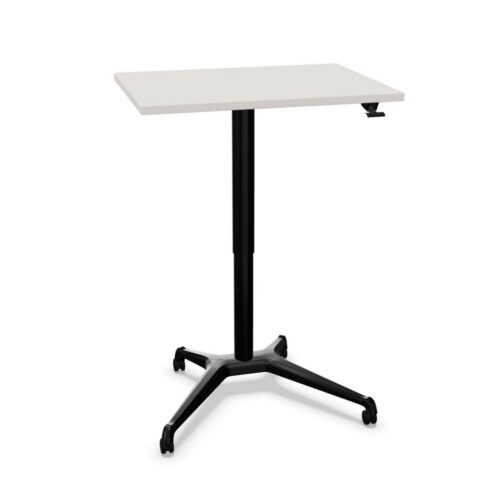
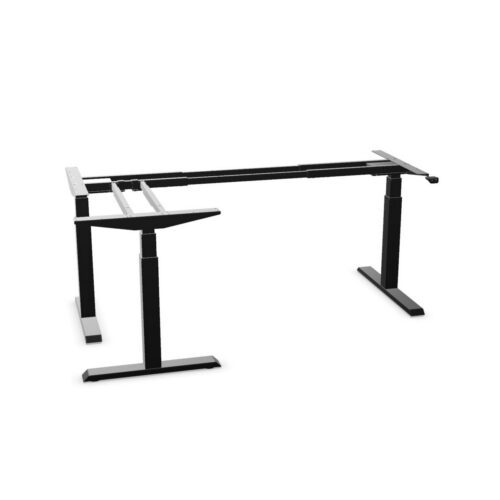
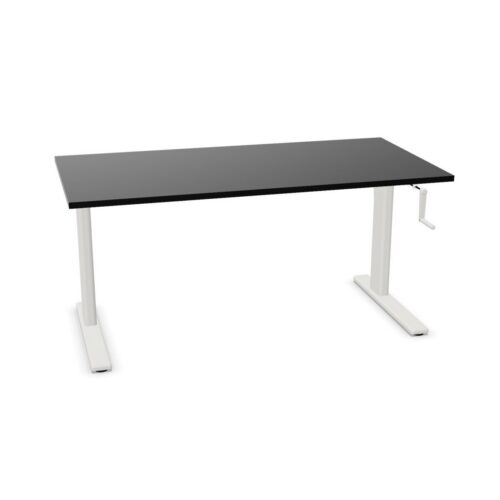
A one-column adjustable desk can provide a compact work position, while a larger sit-stand desk supports a different equipment layout. Compare the adjustment range, top area and control position with the user. Monitors and cables must remain usable as the desk moves. A nearby cabinet or screen should not limit the travel of the work surface. If a desk has a return or a shared bench arrangement, check both users’ equipment positions and the routes behind their chairs.
PEFC certified office furniture should still be tested as a workstation. Place the chair at its normal working distance and check access to power, storage and circulation. The material claim informs one part of the decision; everyday usability depends on the complete arrangement.
Use screens to define shared work
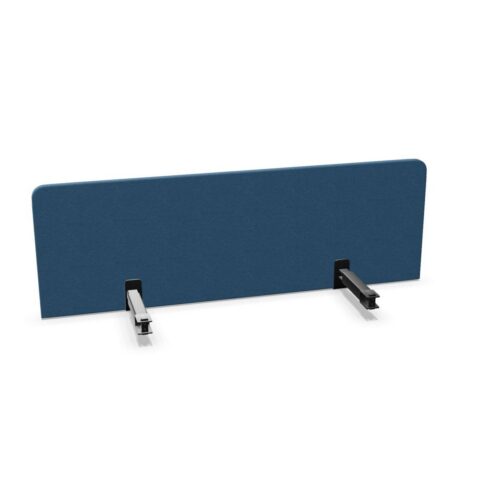
An upholstered desk screen can separate facing work positions or mark an individual boundary along a bench. Decide which sightline or activity it needs to address. Check attachment to the desk system and the relationship to monitors and lighting. A screen that blocks direct distraction may also make collaboration harder if it is too high or poorly placed.
Within PEFC certified office furniture, the panel’s wood-based core may carry the sourcing claim while upholstery and hardware have separate specifications. Do not infer an acoustic rating from PEFC status. If sound control matters, review the actual panel’s acoustic information and the wider room.
Plan supporting accessories
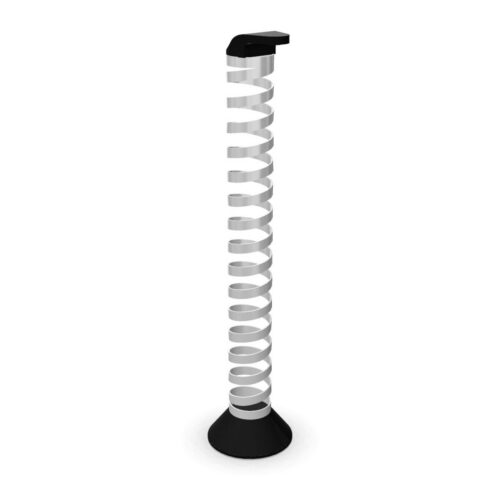
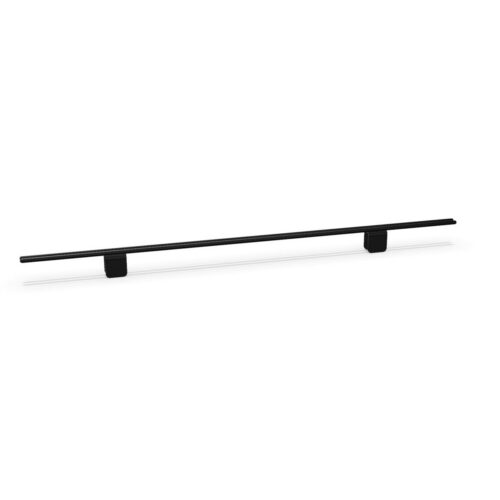
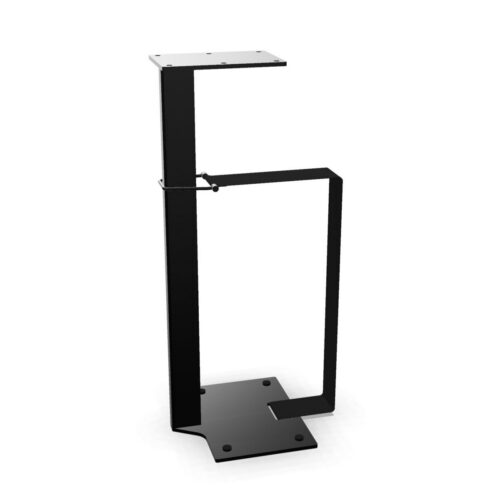
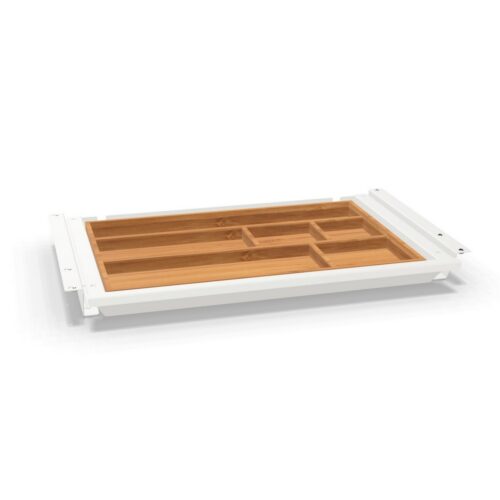
Cable-management pieces and desk trays can make a workstation more orderly. Place a vertical cable trunk so it can move or flex with an adjustable desk where required. A pencil tray should be reachable without crowding the worktop. Where several accessories sit beside a desk, decide which are truly necessary for the user’s daily tasks and which could be stored elsewhere. Check compatibility with the desk frame and the intended equipment.
Some accessories may be mainly plastic or metal and therefore have a different relationship to a forest certification claim. Confirm which item in the workstation is actually covered. A consistent appearance across components should not be mistaken for identical material evidence.
Keep sourcing and function together
Start with the room and the work it supports. Choose desk sizes, screen positions and accessories that make the floor usable, then verify PEFC claims for suitable items. Record the precise label and any chain-of-custody information supplied for the selected furniture.
PEFC certified office furniture can help meet a forest-material sourcing brief when its scope is clear. The desk still needs to fit the user and equipment, and the screen still needs to serve a real spatial purpose. Review those requirements alongside the product-level claim before finalising the workstation.




cue solution

cue solution


cue solution


Normann Copenhagen
Normann Copenhagen Timb Lounge Armchair Upholstered With Armrests