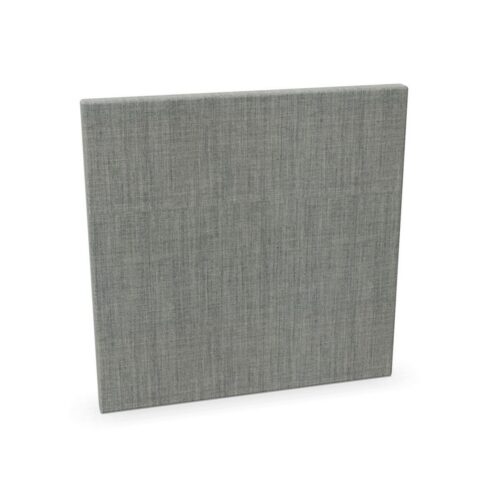
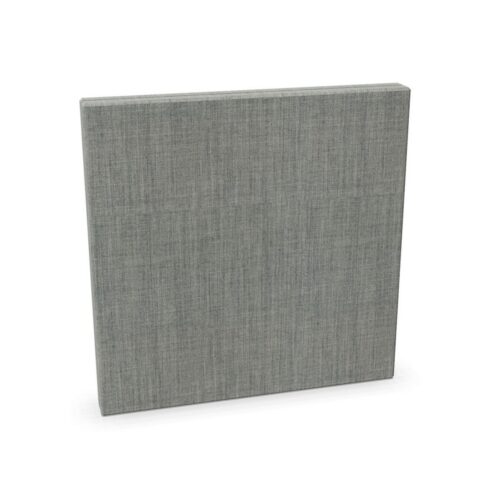
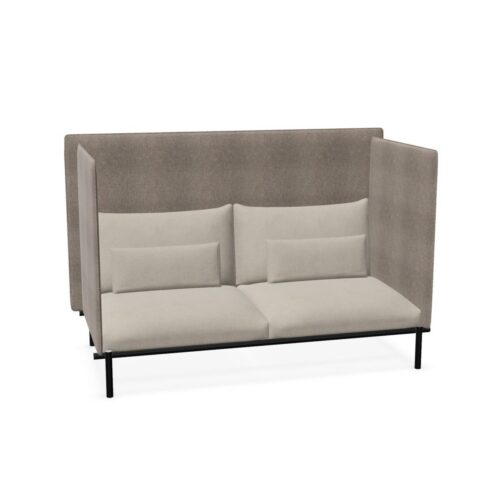
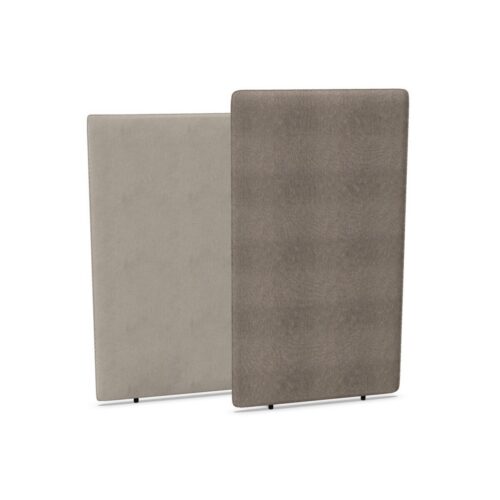
Brown office furniture can refer to fabric, laminate, painted metal or a wood-look finish, depending on the product. The range includes acoustic screens, cabinets, room dividers and accessories, so it is important to check where the color appears. Brown does not establish the material by itself. A useful scheme starts with the task and placement of each piece, then compares the selected surfaces together. For a meeting area, consider whether the brown tone should sit on the table, nearby storage or a divider behind the participants. Each placement changes the visible balance of the room. Check how the color appears from seated positions, not only from the doorway. This can prevent a warm palette from becoming too heavy around the working surface.
Define a focused work zone
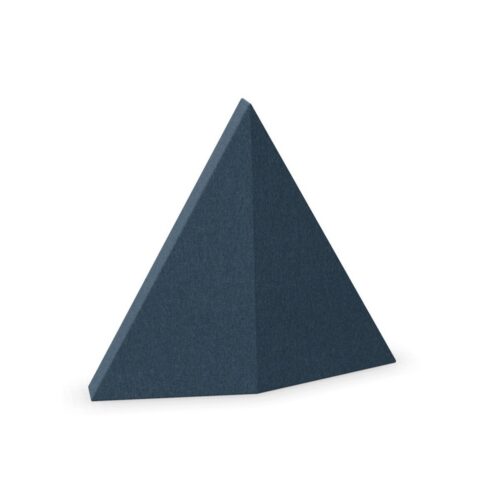
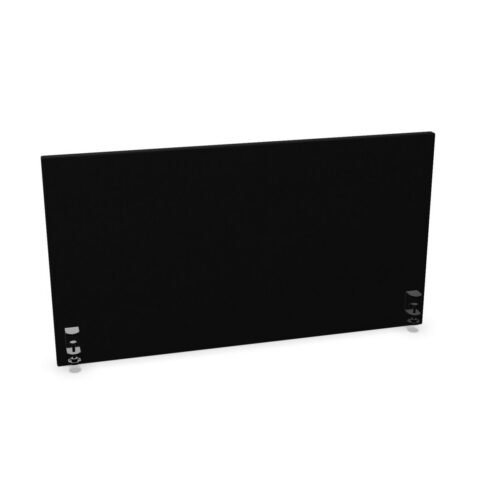
A fabric-covered desk screen can create a boundary at a workstation, while a floor-standing acoustic divider can shape a larger area. In brown, these elements may connect visually with desks or flooring, but their height and construction remain the first decisions. Choose the screen based on the view and activity it should support. Check that users can still communicate where necessary.
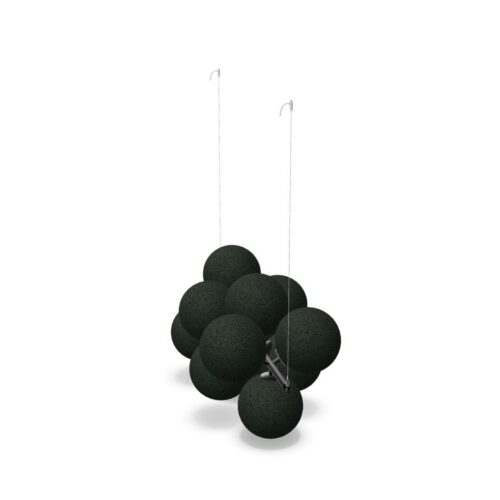
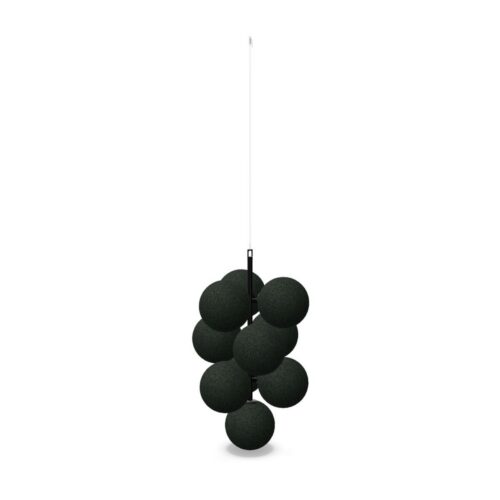
Brown office furniture in acoustic categories should be reviewed with the room’s sound sources in mind. A panel near one desk does not address every conversation in an open floor. Examine the selected product’s performance information and consider walls, ceiling and furniture layout. Leave circulation around freestanding pieces.
Use cabinets to support daily routines
Cabinets can hold team materials, personal items or meeting supplies. Position them near the people who need the contents. A brown front may visually sit well beside other warm tones, but an awkwardly placed door will still interrupt work. Draw doors and drawers open on the floor plan. Check whether a cabinet changes daylight or the route to a meeting room.
Brown office furniture includes storage with different surface treatments. A brown laminate is not the same as solid wood, and a fabric divider may carry an entirely different tone. Compare actual samples rather than assuming the products match from the color label. Review care requirements for the selected cabinet finish.
Handle accessories as functional parts
Accessories can bring brown into smaller details on a desk or storage group. Choose them because they solve an equipment or organization need. A cable holder should follow a planned cable route; an organizer should leave enough clear surface for the user’s work. Check compatibility with the main furniture before adding a component.
Brown office furniture accessories may look subdued beside warm desks, but a close near-match can appear accidental. Decide whether to match exactly, contrast clearly or keep the small component out of view. These are visual choices made after the accessory’s functional location is settled.
Consider seating separately
The general brown color term can include chairs and lounge furniture. Check whether the color is in upholstery, a shell or a frame. A lounge chair should be grouped for conversation; a task chair should be assessed with its desk and screen. The same color can connect them visually without making their uses equivalent.
Brown office furniture in a reception area may combine seating and storage, but their surfaces will be handled differently. Compare fabric and hard finishes in the room light. Think about cleaning access around upholstered pieces and cabinet bases. Material specifications are more informative than the color label for maintenance planning.
Check light and scale
Brown can read differently under daylight and artificial light, especially on large vertical cabinet fronts. View samples in the intended room at different times. If the scheme also includes wood-look tops, compare them without assuming they share a species or construction. A deliberate mix can feel coherent even when tones are not identical.
Brown office furniture can bring related color across several functional categories. Place screens for appropriate separation, cabinets for access and seating for posture. Then refine how the actual brown surfaces relate. The room should remain easy to navigate and use when chairs are occupied and storage doors are open.