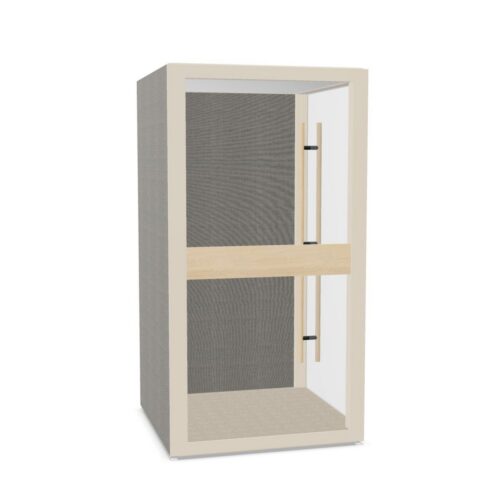
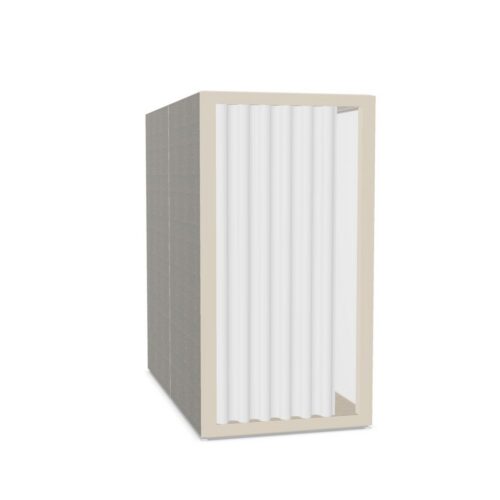
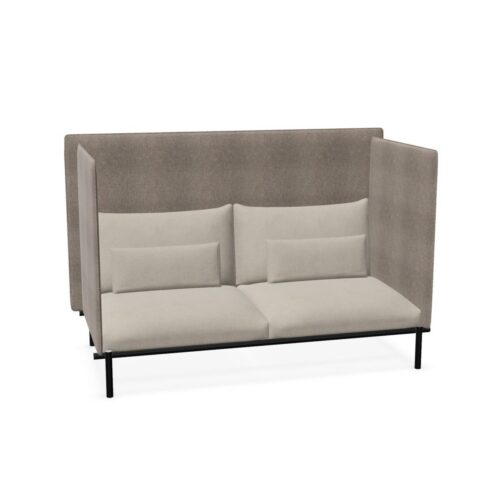
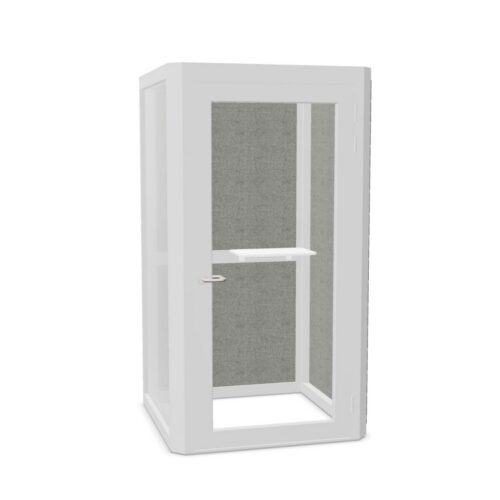
Green office furniture can appear on very different components: a fabric acoustic panel, a cabinet front, a chair covering or a smaller accessory. The Myntwork range spans acoustic screens, dividers, storage and desk details, so the color label alone does not describe the product. Begin with the functional role of each piece and identify where the green finish actually appears. That prevents a palette decision from obscuring the work the furniture must do.
Use screens to define the desk area
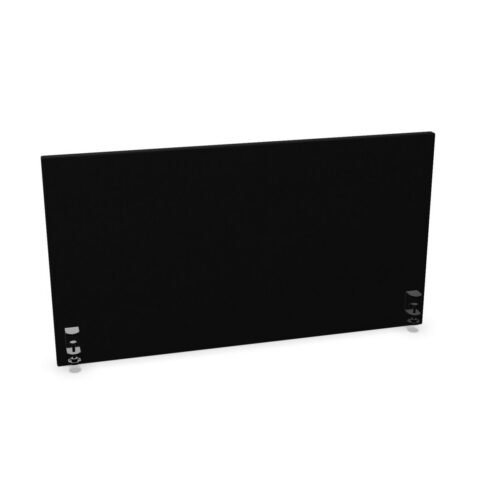
A green desk screen can mark individual positions within a shared office. Consider whether it should sit between colleagues or along a route where passersby create distraction. Check height, mounting and the line of sight from the working chair. A screen that looks visually appealing can still be too high for easy communication or too low for the intended boundary.
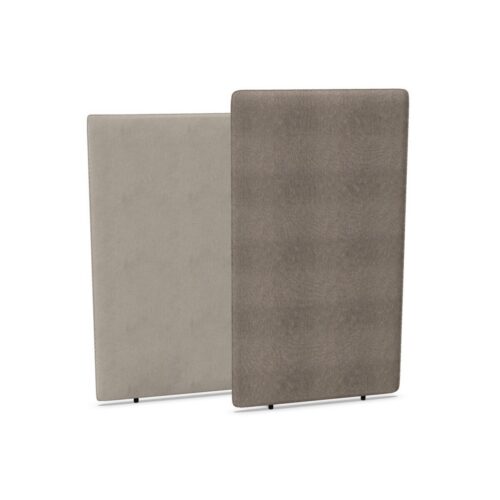
Green office furniture in acoustic categories also includes freestanding dividers. A floor element affects the wider room, not just one desk. Plan the paths around both ends and review the view from each side. Confirm the selected product’s construction and acoustic performance data if sound control is the reason for using it.
Give cabinets a practical location
Storage cabinets in green finishes can form a visible block of color on a wall. Their position should follow the contents and the people who need access. Leave room for doors or drawers to open and for someone to stand in front. A tall unit can also alter daylight and sight lines, so check its placement beside workstations.
Green office furniture in cabinet categories may use different materials and surface treatments. A matte front, textured metal and laminate surface can all be read as green but appear different in the room. Compare actual samples under the intended lighting. The storage should be specified for its internal arrangement as well as its exterior color.
Coordinate smaller desk details
Accessories, including cable management pieces, can repeat a color without dominating the space. Their value depends on fit and placement. Trace the path of power and data cables, decide where small tools belong and keep the main work surface open. Check that any accessory attaches correctly to the selected desk or cabinet.
Green office furniture accessories need not match every larger element exactly. A slight difference in tone may be unobtrusive when parts are separated, but it can look accidental when two surfaces touch. Decide where close matching matters and where contrast is clearer. Make those decisions with physical finishes whenever possible.
Consider seating separately
Some products carrying the general green color term may be chairs or lounge pieces. In those cases, determine whether the green appears in upholstery, a shell, a frame or another component. A seat should be chosen around its table and intended duration of use. The color can connect it to screens or storage after posture and dimensions are right.
Green office furniture across seating and acoustics can help create a related social or focus zone, but the relationship is visual rather than a guarantee of common material. Fabric on a divider and a painted cabinet need separate care and finish checks. Review each selected item’s specification.
Look at the complete scheme
Green can read differently in daylight and under artificial lighting. Compare samples beside flooring, wall finishes and any wood-look surfaces. Decide whether the color should be a quiet recurring detail or a stronger zone marker. Use it in locations that help people understand the space rather than distributing it randomly.
Green office furniture is most effective when every colored piece still has a clear purpose. Place screens for useful boundaries, storage for access and seating for the activity. Review the complete room with people, equipment and open cabinet doors shown. Then refine the balance of green surfaces across the setting. If the room changes use, reconsider which screens and accessories should move with it. A repeatable finish plan can make later additions feel considered without forcing every new product into the same color.