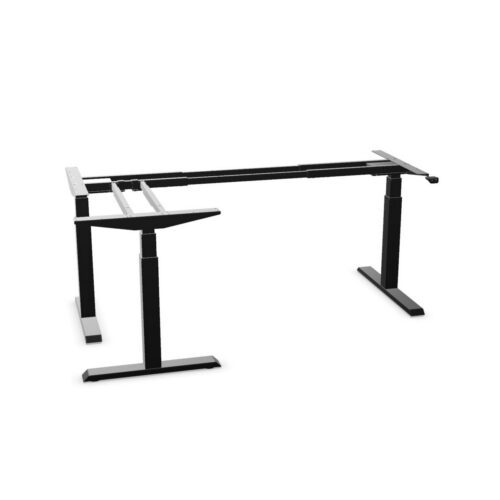
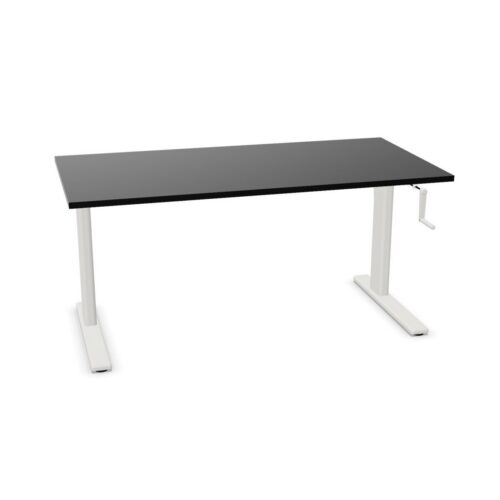
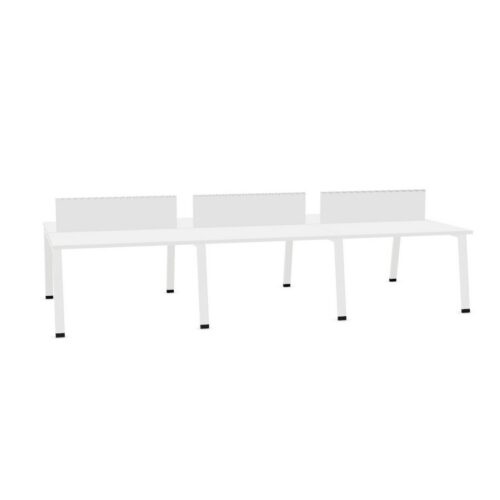
Tables with angled legs introduce a visible direction beneath the top, making the supporting frame part of the furniture’s character. In an office, that outline needs to work with the way people sit and move around the surface. Meeting tables and desks can share an angled-leg appearance while serving different activities. Begin with those uses and review the actual support positions in the chosen configuration.
Consider the whole supporting outline
Look at the frame from the side and from the normal approach to the table. The angle of a support can make the base visually different from the shape of the surface above it. Compare where the legs meet the floor with the position of the tabletop edge. Review views from neighboring seats as well as the entrance.
Tables with angled legs should be assessed through that complete outline. A view of the top alone does not explain the footprint below. Include the actual frame in the room plan, with the furniture shown as it will be used rather than as an isolated object.
Chair positions around meeting tables
A meeting arrangement needs practical seats along its intended edges. Review where each chair approaches the surface and how its base relates to the table supports. Consider the person seated there, including the place for their feet and the movement used when leaving the table.
Angled legs can have different relationships with different seating positions, depending on the exact geometry. Assess the selected table and chair together rather than assuming that one visual style always provides the same clearance. Keep the planned activity and number of usable positions clear in the layout.
Desks with a related frame style
The selection also includes workstations, so tables with angled legs can be considered alongside desks with a related supporting form. At the desk, focus on the user’s main working position and the chair’s approach. Include nearby storage, screens and equipment when reviewing the lower structure.
For grouped desks, compare how the frames repeat across occupied positions. The angled profile can provide a common visual detail, but the furniture still needs to accommodate people and circulation. Review the complete desk configuration, including any connecting elements required by the system.
Match the base with the top
Surface shape and base geometry should be considered together. Look at how the supports sit beneath the selected top and how the two elements appear in the room. A broader table and a compact desk can give similar leg details a different visual role.
Tables with angled legs may have different top materials and frame finishes. Review those actual specifications when coordinating the product with nearby seating and storage. A repeated color or material relationship can connect the scheme while allowing each working area to use the furniture format it needs.
Equipment, fittings and clear access
If the table or desk needs power, data or an equipment fitting, review how those components belong to the selected frame. Identify the cable route and the relevant mounting positions. Keep the supporting parts in the specification alongside the main surface and structure.
Consider the routes around the occupied furniture as well. The position where the leg meets the floor belongs in that assessment, together with chairs pulled into use. Review the approach from entrances and shared areas so that the room remains practical when people are working or meeting.
Choose a complete configuration
Check whether the item being specified is a complete table, a desktop or a frame component. Confirm the required combination and review the relevant product guidance for the chosen version. This helps keep the planned furniture arrangement connected to the actual parts needed to complete it.
Choose tables with angled legs by combining the frame’s visible character with a practical seating and circulation plan. Assess the selected surface, supports and chairs together, then refine the finish in the room. The angle can contribute to the design while the complete arrangement serves the workplace activity.