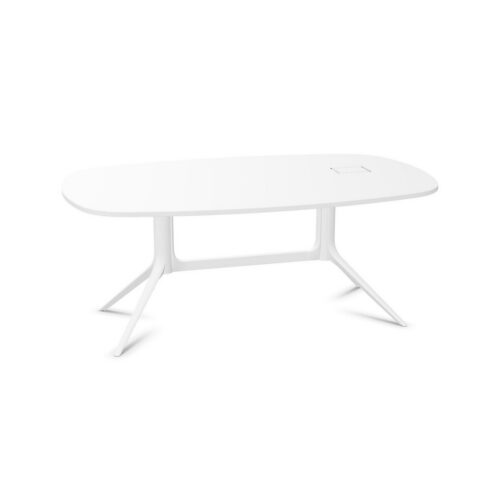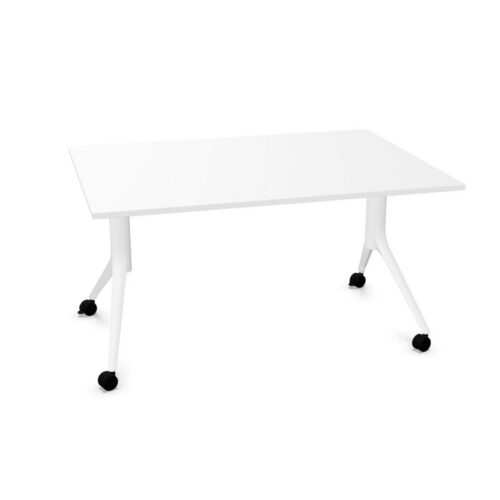


EN 15372 furniture refers to tables specified against a European standard for the strength, durability and safety of non-domestic tables. For workplace, education, hospitality and shared-space procurement, it provides a useful reference point when comparing tables intended for regular professional use rather than purely domestic settings.
On this page, Myntwork has grouped furniture carrying an EN 15372 standardisation attribute. It can help buyers narrow a wider furniture search, but the precise specification, configuration and supporting documentation should always be checked for the individual item before it is included in a project.
What is EN 15372?
EN 15372 is a European furniture standard concerned with non-domestic tables. Its scope addresses aspects of a table’s strength, durability and safety that are relevant where furniture is used by many people, moved between spaces or kept in service over an extended period.
Tables in offices and other shared environments face different demands from those in a private home. Meeting rooms are reconfigured, touchdown spaces are used throughout the day, and tables may need to accommodate equipment, documents or refreshments. A stated EN 15372 reference gives procurement teams a recognised framework for discussing those demands with suppliers, designers and facilities teams.
Why buyers look for this standard
Standards information makes furniture selection more consistent. Rather than relying only on appearance or a general description of “contract” use, buyers can identify products whose published specification refers to a standard developed for non-domestic tables.
- It supports clearer comparisons between tables being considered for the same application.
- It can assist with specification schedules, tender responses and project records.
- It gives facilities and workplace teams a useful point to review alongside dimensions, materials and intended use.
- It is relevant when selecting furniture for spaces that experience frequent or shared use.
- It helps distinguish the requirements of a professional environment from those of a domestic setting.
A standard is one part of a considered purchase decision, not a substitute for understanding the product. The standard shown in a listing should be read with the manufacturer’s product information and any project-specific requirements.
What the standard means in practice
The purpose of a table standard is not to prescribe one visual style or one construction method. A meeting table, café table, folding table and worktable can look very different while being designed for a comparable non-domestic context. What matters is whether the particular table and its stated configuration are covered by the relevant standard information.
For buyers, this means avoiding assumptions based on a product family name, finish or photograph. A change in size, top material, leg design, castors or folding mechanism may affect the specification that applies. If a project requires evidence of compliance or a particular performance level, request and retain the documentation appropriate to the exact product being ordered.
Where EN 15372 tables are commonly considered
Furniture referenced to EN 15372 is often relevant in environments where tables are a working part of the space and need to suit repeated, shared use. The right table still depends on the room layout, user numbers, cleaning regime and how often the space changes function.
- Meeting rooms: tables for formal discussions, hybrid meetings and collaborative work.
- Training and learning spaces: layouts that may be reset between sessions or adapted for group work.
- Breakout areas: tables supporting informal meetings, individual laptop work and social use.
- Reception and waiting areas: occasional tables and shared surfaces chosen to suit visitor-facing interiors.
- Cafés and dining zones: tables where durability, cleanability and space planning are important considerations.
- Project and touchdown areas: flexible work surfaces used by different people across the day.
Choosing a table beyond the standard
EN 15372 can be a helpful filter, but it should sit within a fuller specification process. Start with the task the table will support: focused desk work, meetings, training, eating, presentation or occasional use. Then assess how the room must perform over time.
Questions to consider
- What size and shape work with the circulation space and number of users?
- Will the table stay in one position, be moved regularly or need to fold and store?
- Does the intended use require power access, cable management or a particular screen layout?
- Which top finish and edge detail are suitable for the expected use and cleaning routine?
- Are there accessibility, wheelchair access or reach requirements to accommodate?
- Does the selected base provide suitable leg room and work with the chosen seating?
- Is documentation needed for a client brief, workplace standard or project handover file?
For broader guidance on defining needs, layouts and product criteria, see Myntwork’s resource on choosing office furniture. Establishing these requirements early can prevent a table from being selected solely because it meets a single specification point.
Understanding standard references in a furniture listing
A standards attribute indicates that EN 15372 is associated with the product information presented for that listing. It should not be interpreted as a claim that Myntwork has independently retested each item, nor that all possible variants automatically share identical performance characteristics.
Before finalising a specification, confirm the manufacturer, model, dimensions, options and any stated use category. Where a project has formal compliance procedures, ask for the relevant declaration, report or technical information from the appropriate source. This is particularly important when the furniture will be used intensively, installed in a public setting or procured under a detailed client standard.
Coordinating tables with workplace seating
Table selection works best when considered alongside the chairs used around it. Seat height, arm clearance, the table’s underside structure and the amount of space required for movement all affect everyday comfort and usability. A compact meeting table, for example, may suit armless chairs differently from task seating with adjustable arms.
Where chairs are part of the same project, Myntwork’s guide on how to choose an office chair can help teams consider adjustment, support and suitability for the way people will work. Reviewing tables and seating together also makes it easier to plan room capacities realistically.
Related Myntwork furniture ranges
Use the EN 15372 filter as a starting point for identifying tables with relevant published standards information, then review each product’s full details against your workplace brief. For wider planning, explore Myntwork’s office-furniture guidance and the seating resources linked above to build a coordinated specification for meeting, work and shared spaces.
- Reset all
- Black