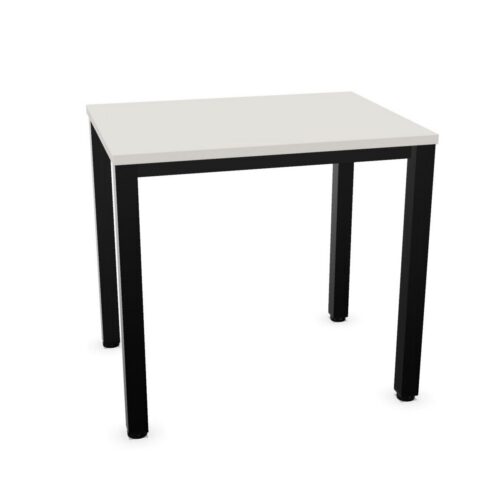


Purple surface office furniture brings a distinctive colour accent to workplace settings while retaining the practical role of desks, storage and other fitted or freestanding pieces. On this page, purple refers to the visible work surface or outer-facing surface, such as a desktop or cabinet face; it does not describe the colour of the base, legs or frame.
A purple surface can help a scheme feel more individual, support an established brand palette or create a clear visual distinction between zones. The exact shade, finish, material and proportion of purple vary by product, so it is useful to review product imagery and specifications when comparing items for a project.
What does a purple surface colour mean?
Surface colour identifies the colour applied to, formed by or visible on the main usable or external surface of a furniture item. For a desk, this may be the top where people work; for storage, it may be a door, drawer front or cabinet exterior. It is separate from the structural base colour, which may be neutral, metallic, dark or another finish altogether.
This distinction matters when coordinating a workplace. A purple desktop paired with a black, white or metal frame can give a very different overall appearance from an all-purple item. Likewise, a storage unit with purple fronts may sit within a wider run of otherwise neutral cabinetry.
Why choose purple work surfaces?
Purple is often selected where an organisation wants colour to be a visible part of the interior rather than a minor accessory. Depending on the tone and surrounding materials, it can read as calm and considered, energetic and creative, or bold and playful. It may be used across an entire scheme or introduced in measured quantities to provide contrast.
- It can support brand-led interiors where purple is already used in graphics, signage or soft furnishings.
- It can make selected desks, counters or storage elements easier to identify within a larger floorplate.
- It can add character to shared spaces without relying solely on wall decoration.
- It can be balanced with neutral frames, flooring and seating for a more restrained overall palette.
Colour alone does not determine suitability for a task. Surface dimensions, finish, edge detail, storage capacity and the furniture’s intended use should remain central to the selection process.
Where purple furniture surfaces work well
Purple surfaces can be appropriate in a range of commercial and organisational environments. In collaborative spaces, they may help distinguish an informal project area from rows of standard workstations. In reception or visitor-facing settings, a coloured counter or storage face can contribute to a recognisable first impression. Education, studio and community settings may also use colour to give different areas their own identity.
For quieter professional interiors, purple need not dominate the room. A limited number of purple worktops, drawer fronts or tables can act as a focal point alongside timber, white, grey or black finishes. Consider the amount of natural light, the wall colour and the visual density of the room: a small enclosed space may call for a different approach to a bright open-plan area.
Furniture types with a purple visible surface
The products filtered here may include furniture where the purple element is a desktop, worktop, panel, front or other visible external surface. The available mix depends on the current catalogue and may span individual work furniture, shared-use pieces and storage-led solutions.
- Desks and tables with a purple work surface for individual, team or meeting use.
- Cabinets, pedestals or storage units with purple-facing panels or fronts.
- Reception, breakout or collaborative furniture where a coloured external surface forms part of the design.
- Complementary pieces that help carry a colour treatment through a particular workplace zone.
Check each listing carefully, particularly where photographs show several finishes or configurations. The filter indicates the relevant surface colour, rather than confirming that every component of the item is purple.
Planning purple within an office colour scheme
Start by deciding whether purple is intended to be a primary identity colour, a navigation cue or a smaller accent. This will influence how many pieces are specified and where they are placed. Repeating the same shade across every desk can create a consistent statement, while grouping it in one team area or breakout zone can make changes of function easier to read.
It is also worth considering visual continuity across adjoining spaces. A purple desk surface may be paired with neutral seating and matching storage, or echoed through accessories and finishes elsewhere. Where furniture is being introduced in phases, record the chosen product finish and any associated base colour so later additions can be assessed against the existing scheme.
How to choose a purple surface finish
As well as colour, consider the practical demands of the surface. A workstation requires enough usable area for screens, papers and daily equipment, while a meeting table should suit the number of users and the way cables or devices will be managed. Storage requires an appropriate internal layout as well as an external finish that works with nearby furniture.
Questions to consider
- Which component is purple: the desktop, a cabinet face, an outer panel or another visible surface?
- Does the shade work with the proposed frame, seating, flooring and wall finishes?
- Will the item be used for focused work, meetings, reception, storage or informal collaboration?
- How much purple is appropriate for the room size and the desired atmosphere?
- Are dimensions, access requirements and layout needs suitable for the intended location?
- Will the chosen surface be part of a coordinated set or a deliberately contrasting focal piece?
Using colour to support office wayfinding
Furniture colour can contribute to intuitive workplace organisation when used consistently. For example, a purple surface treatment may identify a particular department, project neighbourhood or shared amenity area. This approach is most effective when colour is one element of a wider plan that also considers signs, circulation routes, lighting and the different activities taking place in each zone.
Avoid relying on colour alone for essential directions or accessibility information. Instead, use it as a supporting visual cue and maintain enough contrast between surfaces and their surroundings for the space to remain clear and comfortable to use.
Related Myntwork ranges and planning resources
Purple-surfaced pieces can be specified as part of a broader workplace scheme, alongside furniture selected for function, dimensions and complementary finishes. Browse the wider office furniture collection to compare categories and surface treatments across the catalogue.
For guidance on balancing operational requirements with appearance, see the resource on choosing office furniture and the office space planning guide when considering layouts, zones and furniture placement.
- Reset all
- Orange