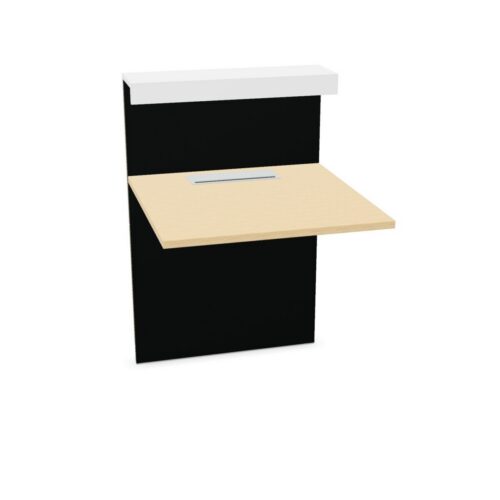


Yellow surface office furniture brings a clear, recognisable colour accent to desks, storage and other workplace pieces with a visible yellow worktop, front or outer surface. On this archive, yellow describes the surface finish rather than the colour of the base, legs or frame, so it is useful when the visible furniture face is part of the interior scheme.
Yellow can be used to introduce warmth and energy into a workplace without making every element of the room identical. In a leased office-furniture scheme, it can also help distinguish shared zones, support a brand-led palette or make particular work settings easier to identify at a glance.
What does a yellow surface colour mean?
Surface colour refers to the part of an item that is most readily seen in use: for example, a desktop, table top, cabinet front, drawer face or visible outer panel. A product listed here has a yellow surface or finish, but its supporting structure may be a different colour and material.
This distinction matters when coordinating furniture. A yellow desk top with a black, white or metal base will create a different visual effect from a fully yellow item. Check product images and specifications alongside the surface-colour filter where the relationship between the top, body and frame is important to the scheme.
Why choose yellow workplace surfaces?
Yellow is often selected as an accent rather than a dominant finish. Used in measured quantities, it can give practical office furniture a more characterful appearance while retaining a clear, organised environment. It works particularly well where a space needs visual landmarks or where teams use colour as part of wayfinding and zoning.
- It can create a focal point among neutral desks, storage and flooring.
- It helps differentiate neighbourhoods, project areas or shared-use settings.
- It can complement interiors with natural timber, grey, black, white or muted blue finishes.
- It offers a considered way to reflect a brighter workplace identity through furniture surfaces.
The final effect depends on the shade, the scale of the surface and surrounding daylight or artificial lighting. A yellow cabinet face may read as a small accent, while a run of yellow worktops will have a more defining influence on the room.
Where yellow surface furniture can work well
Yellow surfaces can suit a wide range of commercial environments, from compact project rooms to larger collaborative floors. They are especially useful in places where furniture needs to make a zone legible without relying solely on signs, partitions or floor finishes.
- Breakout and collaboration areas: coloured tables and storage can give informal settings a distinct identity.
- Project spaces: yellow surfaces can help separate temporary team areas from the main workstation layout.
- Reception-adjacent spaces: a controlled colour accent can contribute to a welcoming first impression.
- Training and learning rooms: colour can assist with room character and visual orientation across flexible layouts.
- Creative studios: yellow may sit comfortably alongside practical, neutral furniture and adaptable equipment.
For focused desk areas, many organisations use yellow selectively: perhaps on shared tables, storage fronts or a small number of workstations, with calmer finishes across the wider floorplate. This can retain visual interest while making the overall layout easier to manage.
Furniture types to compare
The products available under this filter may include different furniture formats, depending on the current catalogue. When comparing items, begin with the role the yellow surface will play in the room rather than colour alone. A table top, for example, will be viewed from a distance and used by several people, whereas a storage front may function as a more contained visual marker.
Consider whether the surface will be used for everyday work, display, meetings or storage access. Its size, edge detail and relationship to adjacent finishes can all affect how the colour is experienced. For desk and table arrangements, it is also sensible to review dimensions, cable-management requirements and the base design separately from the top colour.
Coordinating yellow with the rest of the scheme
A yellow surface does not need to dictate every other finish in an office. Neutral bases and frames can provide visual balance, while repeated smaller details elsewhere in the space can make the colour feel intentional. Where several furniture pieces are placed together, assess samples or imagery as a group rather than selecting each item in isolation.
It is useful to establish which elements are fixed and which are flexible. Existing flooring, walls and joinery may determine how prominent yellow will appear, while leased furniture can be used to introduce changeable colour accents. Planning the furniture layout before finalising finishes helps ensure that brighter surfaces support circulation, work patterns and sightlines.
Questions to consider before selecting a yellow surface
Practical and visual checks
- Which visible element is yellow: the worktop, cabinet face, outer body or another surface?
- Will the item sit beside furniture with a contrasting frame or base colour?
- Is yellow being used as a single accent, a repeated zone marker or a principal interior colour?
- How will daylight, task lighting and wall colours affect the chosen shade?
- Will the surface be seen mainly from seated positions, across an open plan or by visitors on arrival?
- Do the item’s dimensions and intended use suit the workstation, meeting or storage requirement?
These checks help avoid treating colour as a stand-alone decision. The most effective result usually comes from considering finish, function, quantity and placement together, particularly in shared workplaces where different activities take place close to one another.
Planning a coherent furnished workplace
Yellow surface furniture can form part of a broader approach to workplace planning, whether the aim is to define collaboration settings, refresh a client-facing area or introduce consistency across several rooms. It is worth considering circulation routes, access to storage, seating positions and the balance between individual and shared settings alongside the colour palette.
For a wider view of available pieces, browse the office furniture collection. Guidance on combining function, layout and finish is available in our resources on choosing office furniture and the office space planning guide.
- Reset all
- Frezza