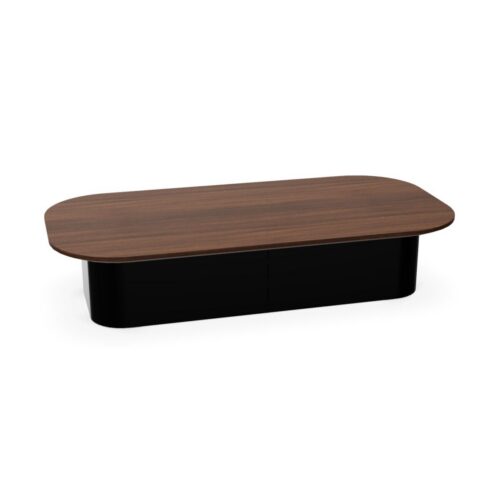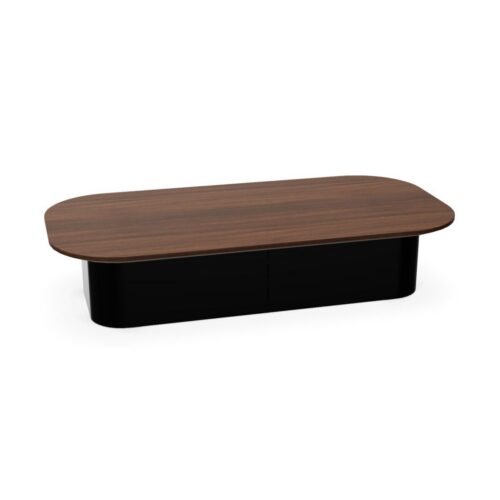


Oval table tops bring a softer plan shape to workplace tables, combining a long central surface with rounded ends. On this page, the filter refers specifically to the shape of the tabletop when viewed from above; it does not describe the base, edge profile, finish or material.
For organisations planning shared work, meetings or flexible project areas, an oval surface can provide a practical alternative to rectangular and round formats. The products shown may differ in dimensions, base design, seating capacity and intended use, so the tabletop shape should be considered alongside the full product specification.
What is an oval tabletop?
An oval tabletop is an elongated, continuously curved surface with no corners. It is often described as a rounded meeting-table shape: longer than a circular top, while retaining softened ends rather than square corners. Depending on the design, the outline may be a true ellipse or a similar rounded form, but the defining characteristic is the absence of angular corners in the plan view.
This attribute is useful when the shape of the work surface matters to room planning, circulation or the style of a shared setting. It does not mean that a table has an oval base. Many oval tops are paired with pedestal, leg or other support arrangements, and these details need checking on each individual listing.
Why choose an oval table shape?
The curved ends of an oval top can make a larger table feel less formal and less visually heavy than a long rectangular surface. It can also support face-to-face discussion while preserving a useful length for documents, laptops and meeting materials.
- Rounded ends can help soften routes around a table where people need to pass by.
- The extended length can suit group work that needs more shared surface area than a round table provides.
- There are no corner positions, which can give the seating arrangement a more inclusive feel.
- An oval form can complement interiors that use curved seating, screens or architectural details.
The practical benefit will depend on the table’s dimensions, the room layout and how many people need to use it at once. A narrow oval may be appropriate for smaller discussions, whereas a larger format may be intended for formal meetings or team sessions.
Where oval tables work well
Oval tops are commonly considered for meeting rooms, boardroom-style spaces and collaborative zones. Their long shape can work particularly well in rooms that are deeper in one direction, allowing chairs to be arranged along the sides and at the rounded ends where space permits.
They can also be useful in executive offices, client meeting areas and multi-purpose project rooms where the table needs to look considered while remaining functional for everyday use. In open-plan workplaces, an oval shared table may help define a meeting point without introducing the hard visual lines of a conventional rectangular table.
Space around the table remains as important as the shape itself. Allow for chairs being pulled out, people moving between seats and access to doors, storage or presentation equipment. A scaled floor plan is helpful before selecting a larger oval design.
Table types available with oval tops
Oval is a tabletop-shape filter rather than a product category. It may therefore apply to different kinds of workplace furniture, subject to the current catalogue. In many office schemes, the most relevant applications are meeting and conference tables, with some desk and shared-workstation formats also using elongated rounded surfaces.
- Meeting tables for internal discussions, presentations and visitor meetings.
- Boardroom and larger group tables where a central shared surface is required.
- Project tables for workshops, team reviews and temporary collaborative work.
- Selected desk or bench-style arrangements where an oval worktop suits the layout.
For tables primarily intended for group discussion, browse the wider selection of conference tables. If the requirement is for individual workstations or everyday task-based work, the office desks category provides a more focused starting point.
How to choose the right oval tabletop
Start with the room and the intended pattern of use. Measure the available footprint, then consider the usable surface needed for attendees, devices, papers and any equipment that will sit on the table. The overall length and width affect both seating positions and circulation, while the base layout can affect leg room underneath.
Consider whether users will need power and data access during meetings. Where this is important, review the individual product details for any integrated or compatible cable-management provision rather than assuming it from the top shape. Similarly, check the construction and finish that are appropriate for the expected level of daily use.
Questions to consider before specifying
- How many people need to sit at the table during a typical meeting?
- What clearance is needed between the table, chairs and surrounding walls or furniture?
- Will participants use laptops, monitors, documents or video-conferencing equipment?
- Does the base arrangement leave suitable space for chairs and users’ legs?
- Which tabletop finish and base style fit the wider furniture scheme?
- Is the table intended for a dedicated meeting room, a flexible area or a desk setting?
Oval tops and workplace layout
When planning an oval table, account for the widest point of the surface as well as its full length. The rounded ends can improve the flow at either end of the table, but chair positions still extend beyond the top’s perimeter. In compact rooms, it may be useful to mark out the proposed footprint and seating zone on the floor before finalising a specification.
For larger spaces, orientation can influence how the table supports the room. Aligning the long axis with the room may create clear routes along each side, while a different orientation may better address a screen, presentation wall or entrance. The preferred arrangement will depend on the room’s proportions and the activities taking place there.
Coordinating an oval table with other furniture
An oval table can be part of a broader workplace furniture plan rather than an isolated purchase. Pairing it with appropriately sized meeting chairs helps maintain comfortable spacing, and selecting compatible finishes can connect the table with storage, reception furniture or adjacent workstations. Curved forms may also sit naturally alongside softer seating layouts, although the final choice should reflect the function of the area.
Because this filter concerns only the tabletop outline, use the product pages to compare dimensions, finish options, support styles and other relevant details. For related shared-work surfaces, see the available conference table range, or review office desk options when planning individual and team work areas.