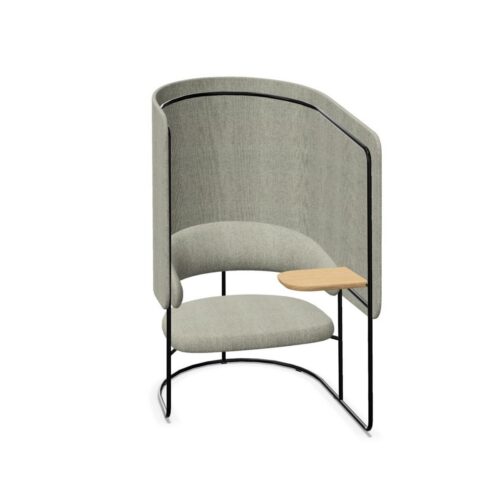
Two year warranty office furniture spans many kinds of work and shared space furniture, from an individual desk to a lounge chair or meeting table. The common period makes this attribute useful for finding options, but it does not mean every item has the same coverage. The relevant document is the warranty statement for the exact model, configuration and buyer. Use the period as a prompt to review product terms while choosing furniture that actually fits the room.
Start with the product’s role
A desk supports focused work and equipment. A conference table organizes group discussion. A swivel chair needs to move and adjust, while a sofa invites a more relaxed posture. These differences shape which components may need attention over time. Choose the right form, dimensions and materials for the space before comparing warranty language. Two year warranty office furniture cannot be assessed meaningfully as one uniform product type; a period attached to a chair answers a different set of practical questions from the same period attached to a table.
Check what is covered
Read the written terms for the item you intend to specify. They should make clear who provides the warranty, when the period begins, which components are included and how a claim is handled. A powered desk may have terms for the frame and motor, while a chair may distinguish its base from upholstery or castors. A sofa can include fabric, cushions and structure with different conditions. Avoid carrying an assumption from one product across to another simply because they appear under the same two year attribute.
Use the room’s conditions
Think about how the furniture will be used and maintained. A meeting table in a quiet room faces different handling from a table in a flexible collaboration area. A chair assigned to one person may be adjusted less often than a chair in a shared workplace. Sofas in waiting spaces have cleaning needs that differ from desk surfaces. The warranty period does not replace an evaluation of these daily conditions. Review care instructions, assembly requirements and any stated use limitations while checking the product’s suitability.
Separate warranty from legal rights
A product warranty is a stated commercial commitment with its own terms. Statutory rights may apply independently and can vary with the buyer, location and transaction. Do not infer the scope of either from a short duration label. For a workplace project, keep the supplier’s actual warranty document alongside the order and consult the applicable contract if a question later arises. Two year warranty office furniture should be described through documented product terms, without implying that every issue or every component is automatically covered.
Organize the handover
When furnishing several rooms, record each model, finish and optional component with its delivery date and warranty statement. This is especially helpful where chairs, desks and lounge pieces arrive in stages. A simple furniture schedule helps a facilities team identify which statement belongs to a particular item and where to direct a question. Keep cleaning guidance and assembly information with the same records. Good documentation makes a stated period more useful than a badge that cannot be connected to the furniture installed.
Make a balanced comparison
Compare furniture on fit, construction, maintainability and the clarity of support terms. A chair with the right adjustment range can be more valuable to a workstation than one chosen for its warranty label alone. A meeting table should offer legroom and workable cable access as well as clear coverage. For two year warranty office furniture, the best decision comes from matching each item’s role with its written terms. Check the final configuration after any project change so that the documents still describe what is in the room. For two year warranty office furniture, this final check can be especially valuable in mixed schemes where each area has a different furniture type. It gives people managing the workplace a clear record of who supplied each item and which parts or conditions the corresponding statement discusses.