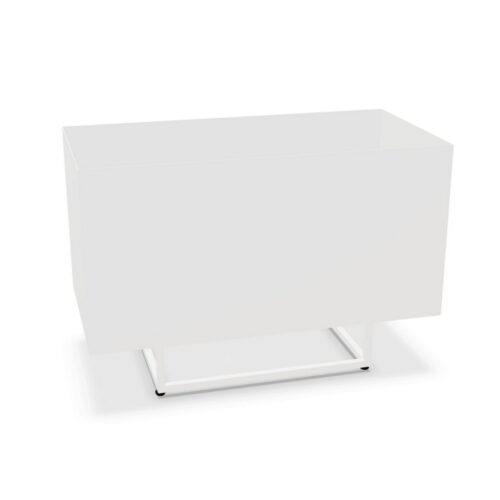


Office sideboards and drawer cabinets bring storage into working areas without requiring every item to be organized in the same way. A door-fronted unit can hold shared material, while drawer storage may serve the contents used around an individual desk. Start with the intended task, then compare the actual interior and access arrangement. The most useful choice has a clear role within the office.
Storage beside an individual workstation
Consider what a person needs near their desk and how they retrieve it during normal work. Documents, smaller office items and reference material can call for different interiors. Review whether drawers, shelves or another arrangement suit those contents in the selected unit.
Office sideboards can relate to a workstation through both position and finish. A drawer cabinet may occupy a different place beside or below a desk, depending on the actual product and layout. Assess the complete arrangement with the chair in use and with the storage open where relevant.
Shared material within the team area
A storage unit used by several people needs an understandable system. Decide which resources belong there, who approaches it and how frequently it is accessed. Group contents in a way that remains clear when different people remove and return material.
Place the unit around those routines. Consider the route from relevant desks and whether someone using the cabinet occupies a main circulation path. Shared storage should serve its users without repeatedly disrupting a neighboring working position, so include the access activity in the furniture plan. Where a sideboard belongs to a shared meeting area, define whether its main task is holding meeting resources or serving another office activity. Plan the contents accordingly and keep the access clear during the activities expected in the room.
Compare drawers and door-fronted interiors
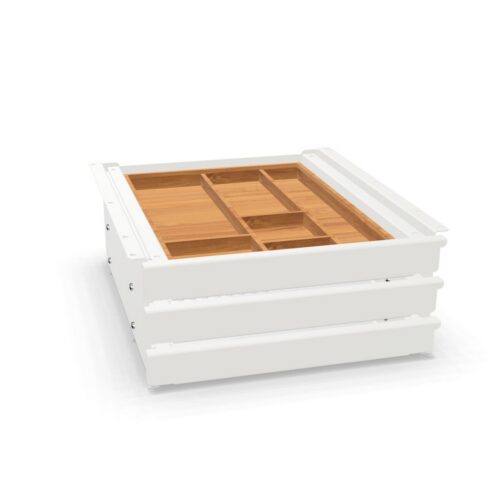
When selecting office sideboards, review what is supplied behind the front. Shelf count, drawer layout and any relevant internal fittings should be matched with the actual contents. The appearance of a closed unit does not establish its complete storage arrangement.
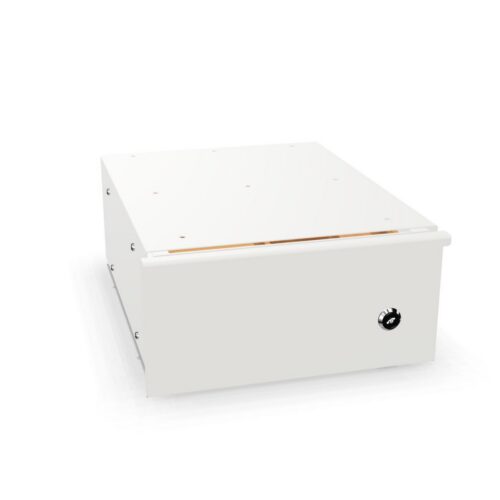
Drawer cabinets need the same attention to configuration. Identify whether the proposed layout is intended for general items, filing or another purpose and check which fittings are included. Keep that version clear in the specification, particularly where a furniture family offers several units with a similar outline.
Consider the surface and visible front
The top of a storage unit can become a visible part of the room, but its intended use should be assessed for the actual product. If a project requires a supporting surface, confirm that role and the relevant information rather than assuming every cabinet top serves the same purpose.
Office sideboards also contribute through their doors, handles and material scheme. Compare those details with nearby desks, tables and seating. A related finish can connect different parts of the office while allowing the storage configuration to follow its own practical requirements.
Door movement, drawers and the occupied room
Review how the chosen unit opens in its planned position. Drawers, hinged doors and sliding fronts each create different access arrangements. Consider the person using the storage as well as the furniture itself, with neighboring seats and routes included.
Where a cabinet includes castors or another movement-related feature, check the actual configuration and intended use. A mobile drawer unit and a stationary sideboard should be assessed on their relevant specifications. Keep the floor-contact arrangement tied to the product being selected.
Give each unit a clear office purpose
Review any locking provision, material guidance and installation requirements that matter to the brief. A storage format does not automatically include a particular access-control feature or a common interior. Confirm the functions required for the contents and the people using them.
Choose office sideboards and drawer storage by defining the material, comparing the internal arrangement and planning the access in the room. Refine the visible finish once those practical choices are clear. This gives each unit a purposeful place within an organized working environment.
Actiforce