






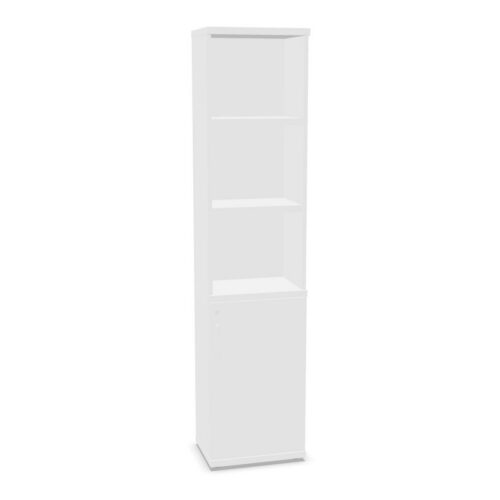


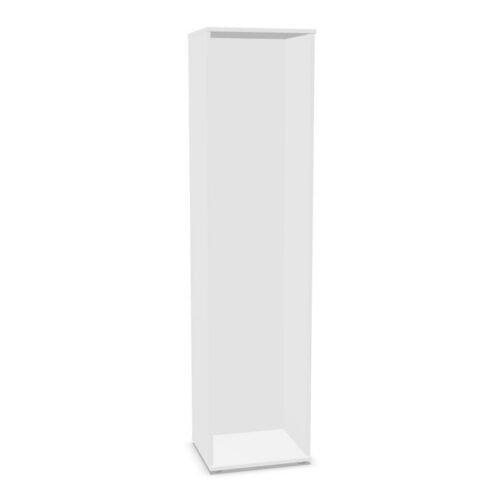
Interpret the no-frame value
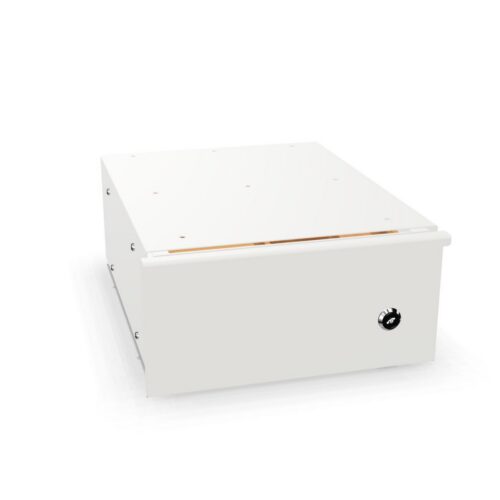
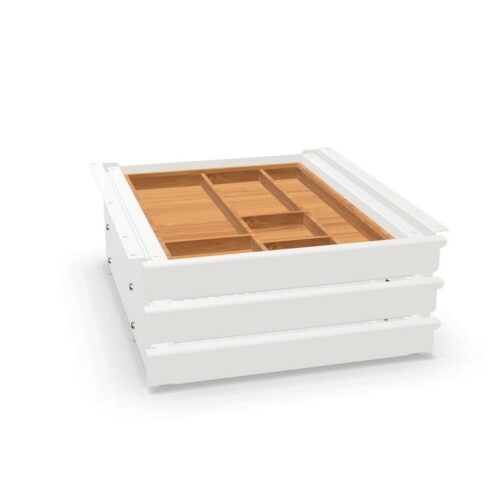
The catalogue shows no hanging folder frame for these products, but that does not settle whether optional filing accessories can be added. If compatibility matters, check the exact cabinet with the manufacturer. Review what components are supplied and how the interior is arranged.
If the cabinet will store documents without hanging files, compare shelves and usable space with the folder sizes and retrieval routine. Decide whether boxes, labels or another organisation method will help authorised users locate materials.
Read the acoustic value correctly
A “no” value is a product attribute and not a sound test, rating or guarantee. If a project has acoustic requirements, consult documentation for the precise model and verify any relevant statement. Avoid treating a filter as a performance result.
When sound properties are not part of the brief, focus on verified construction, storage and placement details. If a technical requirement arises later, review the product evidence rather than assuming what the catalogue value means.
Plan the interior and its contents
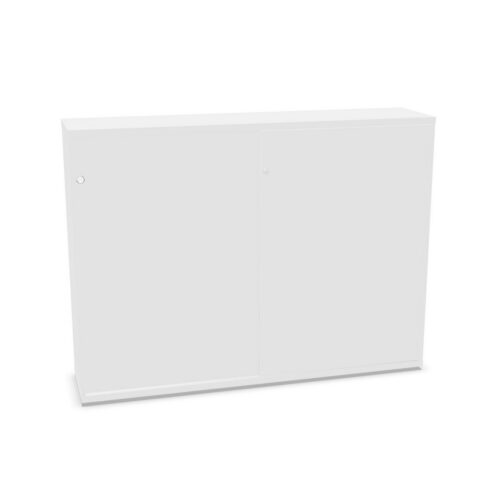
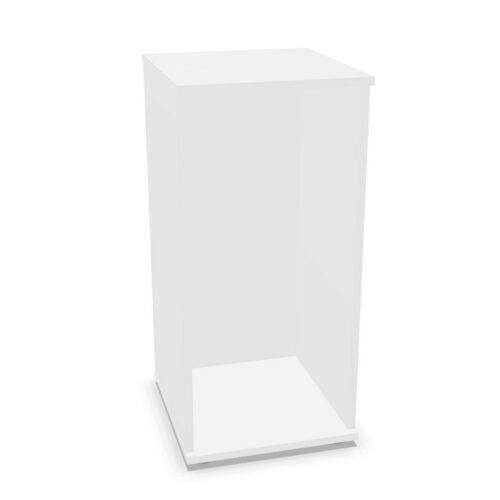
Review internal measurements and identify shelves, supports or other fixed parts. Match contents to the available space and follow loading instructions. Place frequently used materials where they can be reached without disturbing the rest of the cabinet.
For shared use, define categories and assign a person to maintain them. Remove outdated contents and update labels when work changes. The cabinet’s usefulness depends on the actual interior and routine, not the two filter values alone.
Frequently asked questions
Does “no acoustic” mean there is no sound effect?
No. It is a filter value, not a performance measurement.
Does no frame mean shelves are included?
Not necessarily. Check the exact cabinet’s fittings and interior.
What should guide the final choice?
Verified product details, storage needs and the intended use of the room.
