








Plan documents and supplies without hanging frames
Without a hanging file frame, the storage plan needs to account for how folders and other materials will be arranged inside the cabinet. Identify whether users rely on freestanding files, grouped documents, supplies or a mixture of contents. Compare the cabinet’s described interior with that plan instead of assuming that all models provide the same layout. This helps ensure that the selected unit can support the intended organisation.
Think about the users and their habits. A cabinet used by one department may be arranged differently from shared storage in a common area. Agree on categories for the contents and decide how people will return materials after use. If the system needs to change over time, consider whether the proposed arrangement will remain understandable. These practical decisions matter when choosing cabinets without hanging file frames.
Review the cabinet configuration
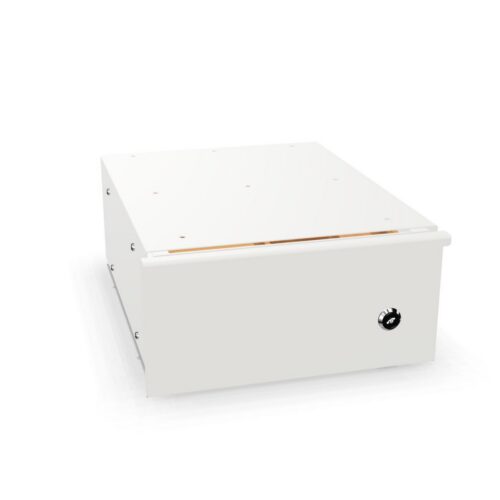
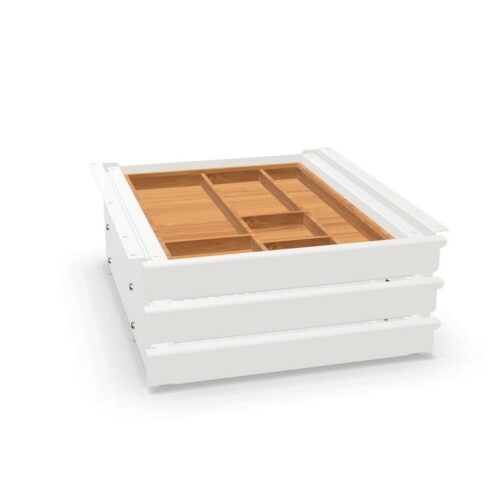
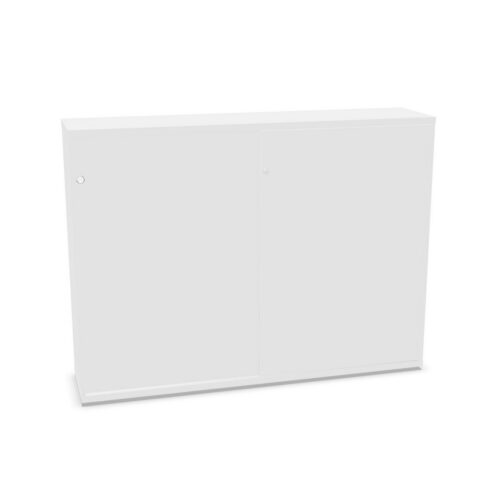
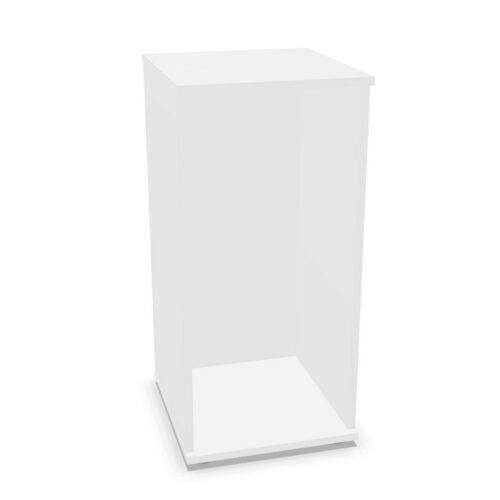
Compare the individual product details that affect storage and access. Check the documented internal arrangement, available shelves or compartments where specified, and the way the doors open. Relate each point to the materials that will be stored. A cabinet without a hanging frame may still be useful for many office items, but the exact fit depends on its listed interior and the way the team plans to organise contents.
Consider how frequently the cabinet will be opened and who needs access. Materials used throughout the day may need an easy-to-reach arrangement, while archival or occasional-use items can be organised differently. Review the product’s opening style and the space around its intended position. This connects the storage method to the real office routine and helps avoid a setup that is awkward to use.
