



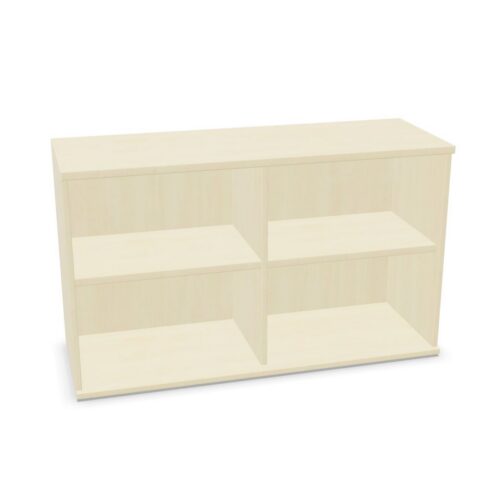


Make a six-shelf plan easy to follow
Multiple shelves can help separate different types of materials, but an overly detailed system may be hard for colleagues to maintain. Begin with the categories that matter to the work and consider whether they need separate locations. Review the product’s actual interior layout and compare it with those contents. The shelf count is only one point to assess; the full cabinet configuration should support the plan.
For a shared cabinet, make the intended arrangement clear to users. Decide whether grouping by team, activity or access frequency makes most sense, then keep the system consistent. Not every shelf needs a distinct role if fewer categories are sufficient. A useful plan balances separation with simplicity so colleagues can return items without confusion.
Check access to each part of the cabinet
Consider how the cabinet opens and how users will reach the stored materials from the planned position. Review product-specific information about the interior and compare it with the items involved. If contents are used throughout the day, think through how people will approach the cabinet and whether the arrangement makes retrieval straightforward. Confirm details for each candidate rather than assuming similar products behave the same way.
Think about cabinet ownership as well. If several colleagues use the storage, decide who will keep the arrangement current and what should happen when materials are added or removed. A shared routine can help protect the organisation from gradually becoming unclear. The cabinet’s location should match its users and the frequency with which they need access.
