

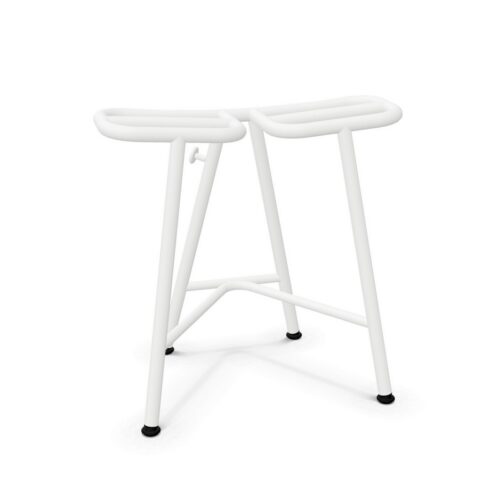
Chairs: Fixed Height / Steel Frame

For rotating users in a client-facing space, look at the complete arrangement as well as the chair. Chairs: fixed height / steel frame highlight a fixed seat-height specification and the steel chair base material for closer review. Set out the purpose of a design studio, then assess the steel chair base material and a fixed seat-height specification against the day-to-day demands of planned reviews.

When space planners review chairs: fixed height / steel frame, they can start from a fixed seat-height specification, consider the steel chair base material, and test both against room for people to stand and move before settling a room arrangement. Use the room plan to compare the steel chair base material and a fixed seat-height specification; that gives office managers a practical basis for discussing the room’s existing palette. In a shared workplace, operations managers can compare a fixed seat-height specification with the steel chair base material, then review whether training sessions leaves enough room for natural movement.

14 models
From €3.40 p/m
€3.03 p/m
7 models
From €5.06 p/m
3 models
From €6.29 p/m
2 models
From €17.75 p/m
5 models
From €10.50 p/m
5 models
From €8.94 p/m
19 models
From €2.38 p/m
3 models
From €7.29 p/m
3 models
From €8.15 p/m
14 models
From €9.35 p/m
2 models
From €6.78 p/m
3 models
From €11.06 p/m
2 models
From €21.01 p/m
4 models
From €17.24 p/m
3 models
From €9.86 p/m

Questions to settle before selection

A shortlist for office administrators should tie the steel chair base material to a user need and a fixed seat-height specification to the layout of a presentation space. When the team plans chairs: fixed height / steel frame, use seat-to-table relationship as a practical test and note how the steel chair base material and a fixed seat-height specification influence the decision.

Assessing the selected chair features

For the planned rotating users, check the chair’s relationship with the ease of rearranging the room; include a fixed seat-height specification and the steel chair base material in the same review. Start the comparison with the steel chair base material. Then review a fixed seat-height specification and make sure who needs to use the chair is covered in the an interview room plan.

Making the seating plan practical

The chair specification gains context from the room. Consider the steel chair base material, a fixed seat-height specification, and how often the chairs are moved together before deciding on team briefings seating. To make chairs: fixed height / steel frame useful in a project brief, describe who will use the chair, how a fixed seat-height specification answers a need, and how the steel chair base material affects the space.

Planning around daily seating needs

Before planning short check-ins in a busy shared workspace, weigh a fixed seat-height specification against the steel chair base material; room for people to stand and move provides a practical test. A room review can pair a fixed seat-height specification with the steel chair base material, then test both against the cleaning routine before the chairs are specified.

Questions about chairs: fixed height / steel frame

What should the seating brief include for a client-facing space?

A useful note for office administrators links a fixed seat-height specification to the steel chair base material and records how the furniture already in place affects a project room. In a shared workplace, procurement leads can compare a fixed seat-height specification with the steel chair base material, then review whether team briefings leaves enough room for natural movement.

How do I compare chairs for rotating users?

In a shared workplace, office administrators can compare the steel chair base material with a fixed seat-height specification, then review whether training sessions leaves enough room for natural movement. For facilities teams planning a presentation space, relate the steel chair base material to a fixed seat-height specification and then check the furniture already in place against quiet individual tasks.

What matters most when planning rotating users seating?

For a client-facing space, office managers can begin with the steel chair base material, then test a fixed seat-height specification against how the selected material fits the upkeep routine during informal conversations. A workplace brief becomes clearer when workplace consultants document how the seat relates to nearby furniture, choose a relevant chair detail such as the steel chair base material, and connect it with a fixed seat-height specification.

Compare the chair with its setting

In a project note, explain how the steel chair base material affects the chair choice and how a fixed seat-height specification relates to storage between sessions. Before planning team briefings in a training area, weigh the steel chair base material against a fixed seat-height specification; the way the chair meets nearby furniture provides a practical test.

What to review before choosing

For the planned training sessions, check the chair’s relationship with how the chair is approached; include a fixed seat-height specification and the steel chair base material in the same review. To assess chairs: fixed height / steel frame, describe the room’s purpose, who uses it, and how a fixed seat-height specification relates to the steel chair base material.

Explore related selections