

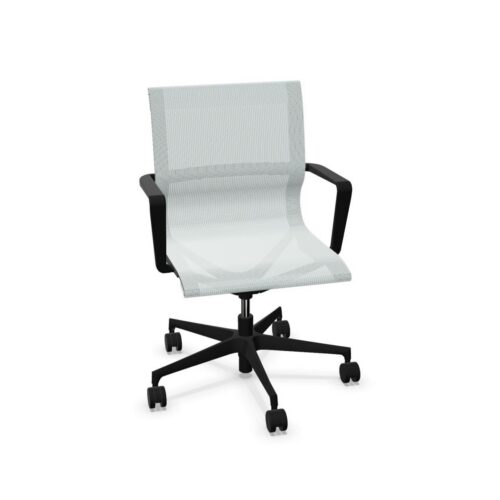
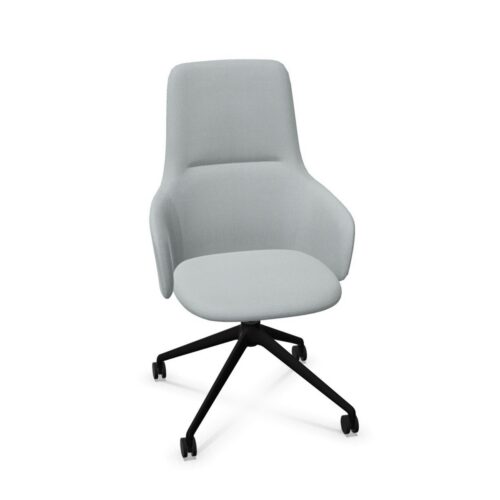
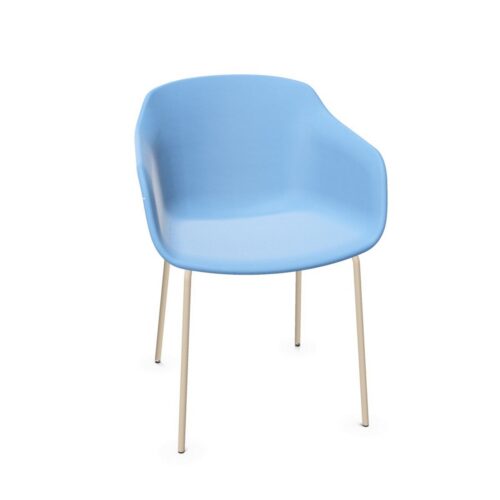
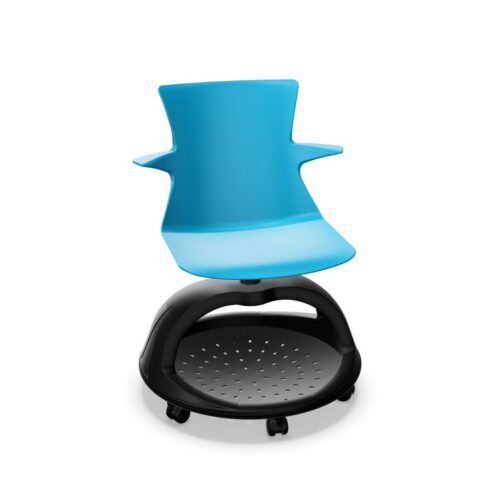
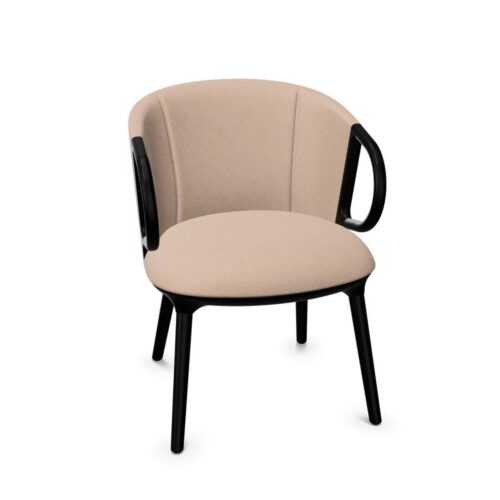
Chairs: Fixed Armrests / Without Headrest

The first step in planning a training area is to define who will use the chairs. With chairs: fixed armrests / without headrest, the fixed armrests configuration and the absence of a headrest give the team specific points to check. A useful question for workplace consultants is how the fixed armrests configuration changes the seating decision once the absence of a headrest and table alignment are considered together.

When business owners review chairs: fixed armrests / without headrest, they can start from the fixed armrests configuration, consider the absence of a headrest, and test both against how the seating reads across the room before settling a room arrangement. For the planned daily team meetings, check the chair’s relationship with how the chair is approached; include the fixed armrests configuration and the absence of a headrest in the same review. A useful note for procurement leads links the absence of a headrest to the fixed armrests configuration and records how the amount of adjustment required affects a quiet planning room.

6 models
From €6.87 p/m
4 models
From €3.40 p/m
2 models
From €7.40 p/m
€5.06 p/m
€4.14 p/m
10 models
From €10.37 p/m
2 models
From €51.04 p/m
2 models
From €18.86 p/m
3 models
From €7.28 p/m
3 models
From €7.48 p/m
2 models
From €23.78 p/m
3 models
From €1.78 p/m
€27.27 p/m
3 models
From €11.42 p/m
3 models
From €8.53 p/m
3 models
From €6.09 p/m

What to review before choosing

People arranging an interview room should map the activity first, then decide how the fixed armrests configuration and the absence of a headrest contribute to the brief. A useful note for procurement leads links the fixed armrests configuration to the absence of a headrest and records how the seat relates to nearby furniture affects a shared meeting room.

Planning around daily seating needs

For design teams planning a staff dining area, relate the fixed armrests configuration to the absence of a headrest and then check aisle clearance against informal conversations. For a compact office, facilities teams can begin with the absence of a headrest, then test the fixed armrests configuration against the way the chair meets nearby furniture during collaborative work.

How this chair choice fits the room

When team coordinators assess a conference suite, they can record the absence of a headrest and the fixed armrests configuration beside the requirements for busy group sessions. For the planned interviews, check the chair’s relationship with the ease of rearranging the room; include the fixed armrests configuration and the absence of a headrest in the same review.

Compare the chair with its setting

The chair specification gains context from the room. Consider the fixed armrests configuration, the absence of a headrest, and how people enter and leave together before deciding on quiet individual tasks seating. For interior project teams, the connection between the fixed armrests configuration and the absence of a headrest matters most when the room is set up for collaborative work.

How the seating will be used

Before planning quiet individual tasks in a client-facing space, weigh the absence of a headrest against the fixed armrests configuration; the layout when every seat is occupied provides a practical test. When office managers assess a multi-purpose room, they can record the absence of a headrest and the fixed armrests configuration beside the requirements for longer discussions.

Questions about chairs: fixed armrests / without headrest

How can I check whether the chairs fit the layout?

When use changes from quiet individual tasks to longer discussions, revisit the chair brief and check whether the absence of a headrest, the fixed armrests configuration, and the furniture already in place still match the space. In a training area, the fixed armrests configuration may answer one brief requirement while the absence of a headrest addresses another; compare both with seat-to-table relationship.

How should I assess the fixed armrests configuration alongside the room plan?

A workplace brief becomes clearer when team coordinators document the mix of formal and informal use, choose a relevant chair detail such as the fixed armrests configuration, and connect it with the absence of a headrest. For a multi-purpose room project, keep the fixed armrests configuration visible in the brief and check whether the absence of a headrest works with how people enter and leave.

What matters most when planning team briefings seating?

Because a hospitality area may support collaborative work as well as informal conversations, assess the absence of a headrest beside the fixed armrests configuration while keeping the amount of adjustment required in view. When business owners review chairs: fixed armrests / without headrest, they can start from the absence of a headrest, consider the fixed armrests configuration, and test both against how the selected material fits the upkeep routine before settling a room arrangement.

What to review before choosing

The planned activity may change during the week. Check the absence of a headrest and the fixed armrests configuration against both interviews and longer discussions. A layout for busy group sessions in a central gathering space should show how the chair meets the amount of adjustment required; the absence of a headrest and the fixed armrests configuration belong in that same review.

Explore related selections