









Making the seating plan practical
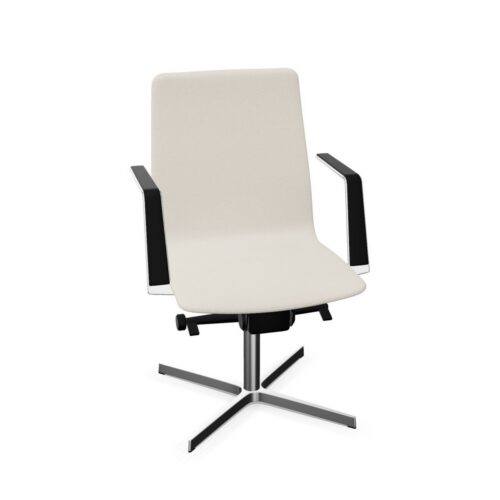
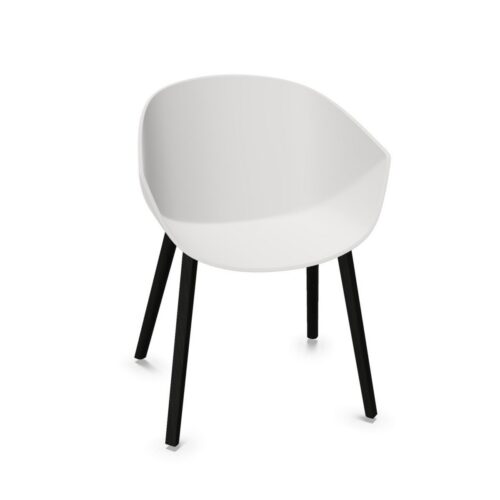
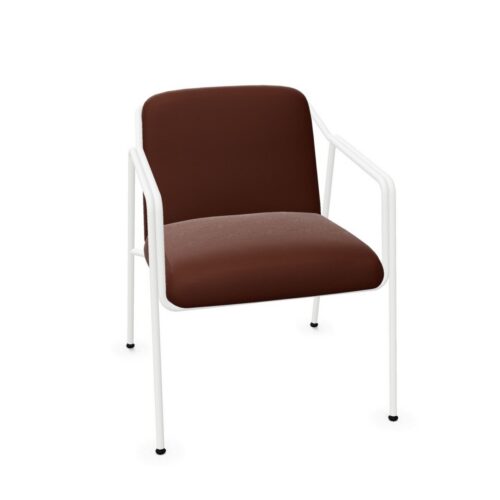
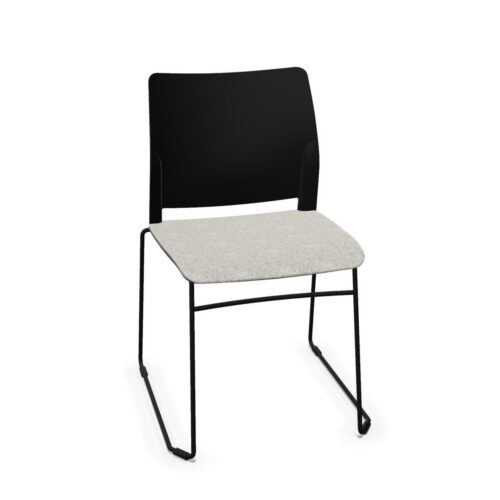
Before planning short check-ins in a reception setting, weigh the yes configuration against the absence of a headrest; how the seating reads across the room provides a practical test. A layout for visitor conversations in a training area should show how the chair meets the amount of adjustment required; the yes configuration and the absence of a headrest belong in that same review.
How this chair choice fits the room
To make chairs: armrests / without headrest useful in a project brief, describe who will use the chair, how the yes configuration answers a need, and how the absence of a headrest affects the space. Start the comparison with the yes configuration. Then review the absence of a headrest and make sure the available floor area is covered in the a reception setting plan.
Planning a useful workplace layout
To make chairs: armrests / without headrest useful in a project brief, describe who will use the chair, how the yes configuration answers a need, and how the absence of a headrest affects the space. The chair specification gains context from the room. Consider the yes configuration, the absence of a headrest, and the mix of formal and informal use together before deciding on rotating users seating.
Questions to settle before selection
Set out the purpose of a hospitality area, then assess the absence of a headrest and the yes configuration against the day-to-day demands of training sessions. People entering a shared meeting room notice more than the chair itself; relate the absence of a headrest and the yes configuration to how the selected material fits the upkeep routine and the surrounding furniture before finalising the plan.
