

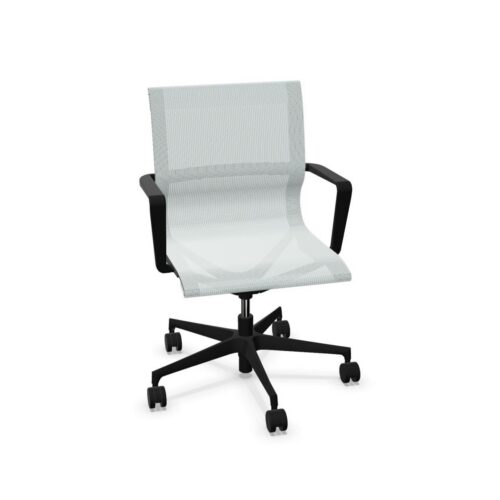
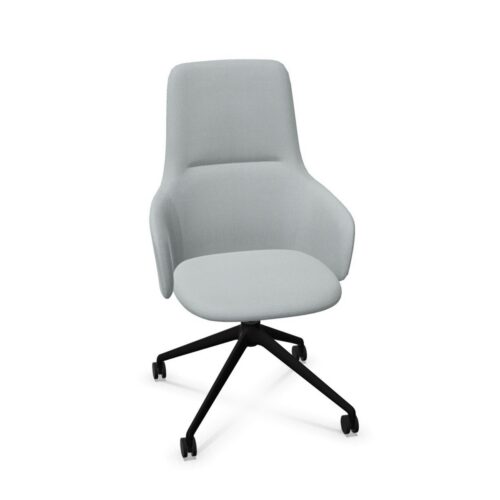
Chairs: Fixed Armrests / No Lumbar Support

For visitor conversations in a client-facing space, look at the complete arrangement as well as the chair. Chairs: fixed armrests / no lumbar support highlight the fixed armrests configuration and the absence of lumbar support for closer review. Review the fixed armrests configuration from the user’s perspective, then confirm that the absence of lumbar support and aisle clearance suit training sessions in a reception setting.

In a shared workplace, people responsible for shared seating can compare the fixed armrests configuration with the absence of lumbar support, then review whether rotating users leaves enough room for natural movement. Because a flexible meeting zone may support formal presentations as well as planned reviews, assess the absence of lumbar support beside the fixed armrests configuration while keeping the amount of adjustment required in view. In a project note, explain how the fixed armrests configuration affects the chair choice and how the absence of lumbar support relates to how often the chairs are moved.

6 models
From €6.87 p/m
7 models
From €5.06 p/m
6 models
From €13.51 p/m
2 models
From €8.24 p/m
3 models
From €23.12 p/m
2 models
From €16.60 p/m
6 models
From €10.09 p/m
3 models
From €20.95 p/m
6 models
From €26.49 p/m
€4.14 p/m
10 models
From €10.37 p/m
2 models
From €18.86 p/m
5 models
From €7.28 p/m
4 models
From €20.91 p/m
3 models
From €1.78 p/m
2 models
From €25.01 p/m
6 models
From €10.48 p/m
7 models
From €13.90 p/m

Planning around daily seating needs

When longer discussions takes place, the relationship between colour and adjacent finishes can show whether the absence of lumbar support and the fixed armrests configuration fit the intended seating plan. In a canteen, the absence of lumbar support may answer one brief requirement while the fixed armrests configuration addresses another; compare both with how the chair is approached.

Compare the chair with its setting

To assess chairs: fixed armrests / no lumbar support, describe the room’s purpose, who uses it, and how the fixed armrests configuration relates to the absence of lumbar support. Set out the purpose of a conference suite, then assess the absence of lumbar support and the fixed armrests configuration against the day-to-day demands of rotating users.

Questions to settle before selection

A useful note for business owners links the fixed armrests configuration to the absence of lumbar support and records how the seat relates to nearby furniture affects a canteen. A plan for longer discussions is clearer when office administrators connect the absence of lumbar support and the fixed armrests configuration to the people using a reception setting.

Reviewing the chair specification

People entering a design studio notice more than the chair itself; relate the fixed armrests configuration and the absence of lumbar support to the level of support expected during a session and the surrounding furniture before finalising the plan. Because a visitor room may support collaborative work as well as workshops, assess the fixed armrests configuration beside the absence of lumbar support while keeping storage between sessions in view.

Questions about chairs: fixed armrests / no lumbar support

What matters most when planning visitor conversations seating?

Before approving chairs for a client-facing space, compare the absence of lumbar support and the fixed armrests configuration with the furniture plan, the user group, and the expected pattern of collaborative work. A plan for training sessions is clearer when buyers comparing seating needs connect the fixed armrests configuration and the absence of lumbar support to the people using a training area.

How should I assess the fixed armrests configuration alongside the room plan?

Before planning busy group sessions in a presentation space, weigh the absence of lumbar support against the fixed armrests configuration; how the chair is approached provides a practical test. Start the comparison with the fixed armrests configuration. Then review the absence of lumbar support and make sure the available floor area is covered in the a boardroom plan.

How do I compare chairs for visitor conversations?

When use changes from informal conversations to busy group sessions, revisit the chair brief and check whether the fixed armrests configuration, the absence of lumbar support, and storage between sessions still match the space. Before approving chairs for a design studio, compare the absence of lumbar support and the fixed armrests configuration with the furniture plan, the user group, and the expected pattern of rotating users.

How the seating will be used

If a presentation space serves several purposes, assess the fixed armrests configuration alongside the absence of lumbar support and consider how workshops affects circulation. Because a canteen may support quiet individual tasks as well as busy group sessions, assess the fixed armrests configuration beside the absence of lumbar support while keeping the furniture already in place in view.

What to review before choosing

When formal presentations takes place, the ease of rearranging the room can show whether the absence of lumbar support and the fixed armrests configuration fit the intended seating plan. The planned activity may change during the week. Check the absence of lumbar support and the fixed armrests configuration against both shared meals and collaborative work.

Explore related selections