

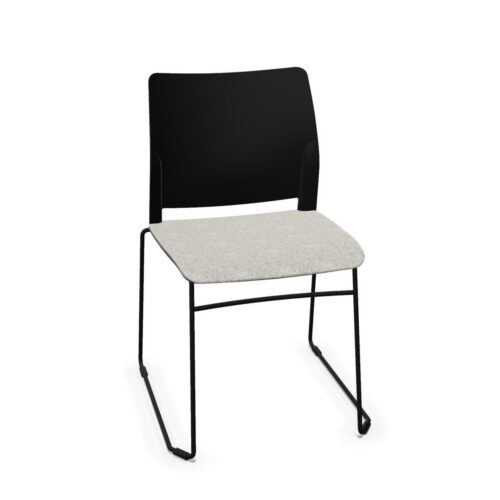

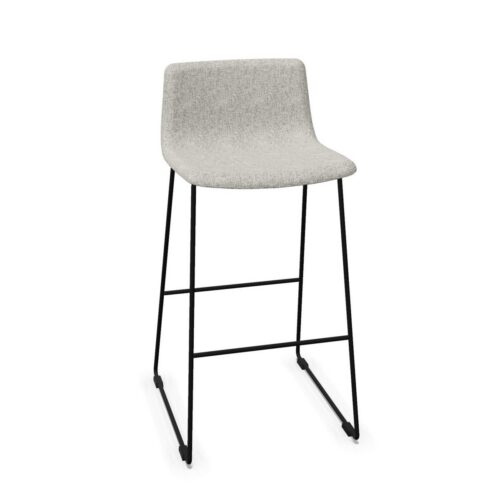
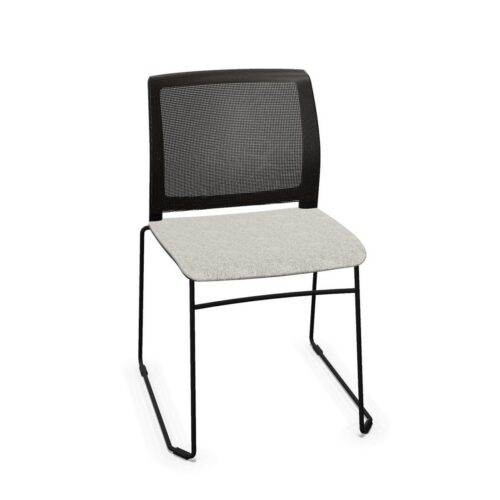
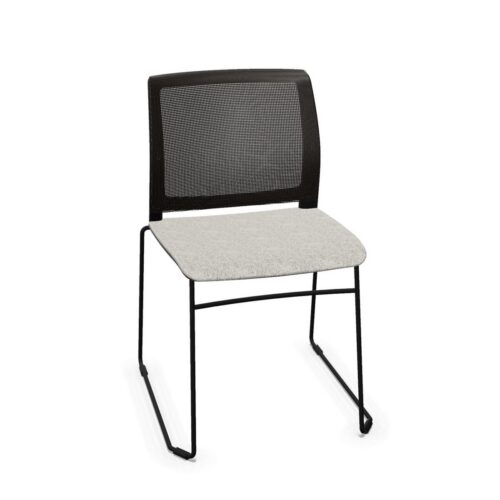
Chairs: No Armrests / Lumbar Support

Planning collaborative work calls for chairs that fit the room’s purpose and its regular routines. Chairs: no armrests / lumbar support focus attention on the no configuration; review the complete arrangement before narrowing the options further. If a space alternates between collaborative work and interviews, check that the no configuration and lumbar support still serve the circulation plan and user expectations.

For office managers, the connection between the no configuration and lumbar support matters most when the room is set up for planned reviews. When busy group sessions takes place, seat-to-table relationship can show whether lumbar support and the no configuration fit the intended seating plan. A room review can pair the no configuration with lumbar support, then test both against how people enter and leave before the chairs are specified.

2 models
From €8.22 p/m
2 models
From €8.82 p/m
2 models
From €7.46 p/m
3 models
From €8.65 p/m
8 models
From €11.36 p/m
€24.62 p/m
2 models
From €14.39 p/m
2 models
From €12.57 p/m
12 models
From €26.01 p/m
8 models
From €10.70 p/m
€9.47 p/m
2 models
From €6.35 p/m
€12.09 p/m
3 models
From €7.07 p/m
8 models
From €11.58 p/m
2 models
From €9.64 p/m
2 models
From €10.02 p/m

Compare the chair with its setting

A chair shortlist for a hospitality area should explain why lumbar support matters, how the no configuration changes the choice, and what needs checking around who needs to use the chair. Before planning rotating users in a design studio, weigh lumbar support against the no configuration; how the seating reads across the room provides a practical test.

What to review before choosing

For teams planning collaborative work, the no configuration may answer one requirement while lumbar support addresses another; the room layout shows whether both are relevant. A room review can pair lumbar support with the no configuration, then test both against the length of a typical sitting period before the chairs are specified.

A closer look at the selected details

For interior project teams, the connection between the no configuration and lumbar support matters most when the room is set up for shared meals. In a design studio, the no configuration may answer one brief requirement while lumbar support addresses another; compare both with the balance between density and access.

Fit the chairs to the room’s purpose

Review lumbar support from the user’s perspective, then confirm that the no configuration and the room’s visual balance suit formal presentations in a shared meeting room. A useful question for team coordinators is how the no configuration changes the seating decision once lumbar support and aisle clearance are considered together.

Making the seating plan practical

For design teams planning a flexible meeting zone, relate the no configuration to lumbar support and then check table alignment against daily team meetings. In a shared workplace, buyers comparing seating needs can compare the no configuration with lumbar support, then review whether rotating users leaves enough room for natural movement.

Questions about chairs: no armrests / lumbar support

How do I plan circulation around the chairs?

In a shared workplace, staff arranging a new workspace can compare lumbar support with the no configuration, then review whether daily team meetings leaves enough room for natural movement. For team coordinators planning a team hub, relate lumbar support to the no configuration and then check storage between sessions against daily team meetings.

How do I compare chairs for collaborative work?

When design teams review chairs: no armrests / lumbar support, they can start from lumbar support, consider the no configuration, and test both against the path between seating rows before settling a room arrangement. To make chairs: no armrests / lumbar support useful in a project brief, describe who will use the chair, how the no configuration answers a need, and how lumbar support affects the space.

How can I check whether the chairs fit the layout?

When people responsible for shared seating review chairs: no armrests / lumbar support, they can start from lumbar support, consider the no configuration, and test both against the practical needs of different users before settling a room arrangement. A room review can pair the no configuration with lumbar support, then test both against the room’s existing palette before the chairs are specified.

Assessing the selected chair features

A workplace review starts with use. Procurement leads can assess lumbar support, consider the no configuration, and verify clearance behind each chair before arranging seats. Set out the purpose of a quiet planning room, then assess the no configuration and lumbar support against the day-to-day demands of workshops.

A closer look at the selected details

Before planning team briefings in a staff dining area, weigh lumbar support against the no configuration; the layout when every seat is occupied provides a practical test. When office administrators review chairs: no armrests / lumbar support, they can start from the no configuration, consider lumbar support, and test both against room for people to stand and move before settling a room arrangement.

Explore related selections