



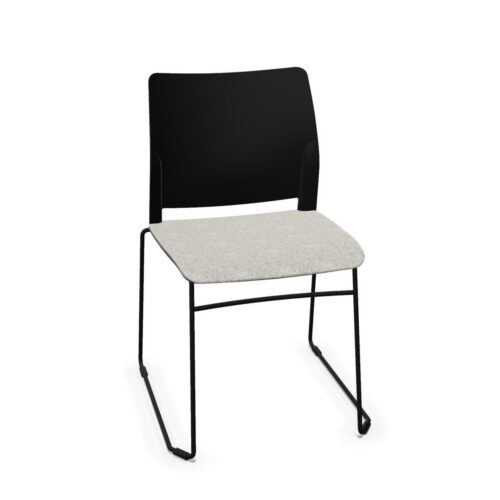

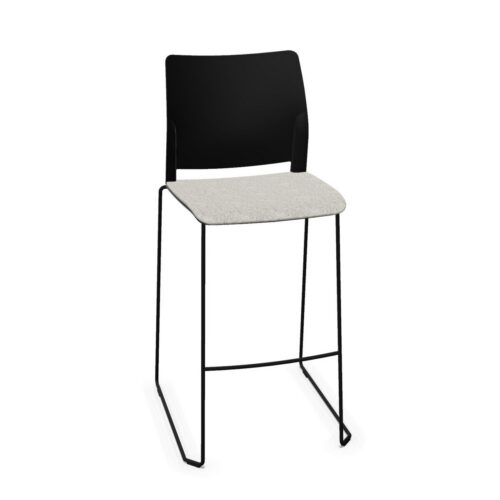

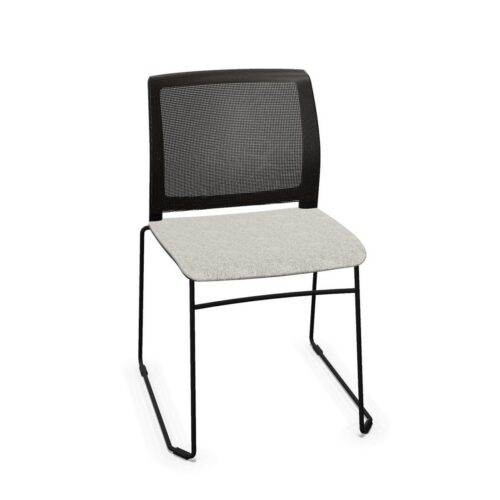
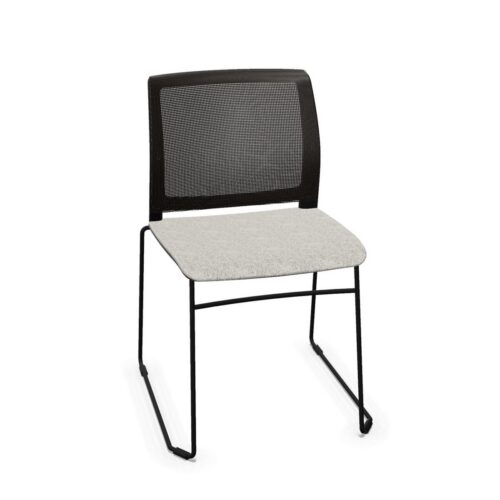

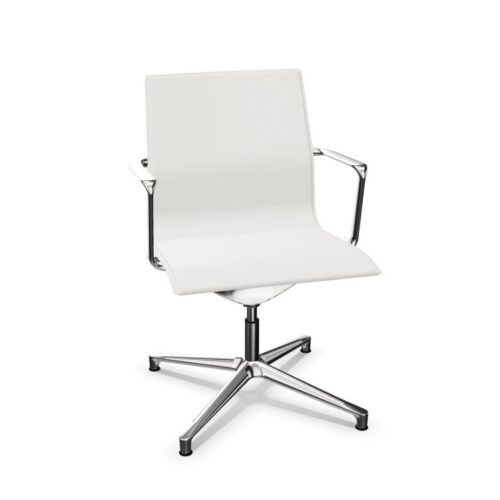
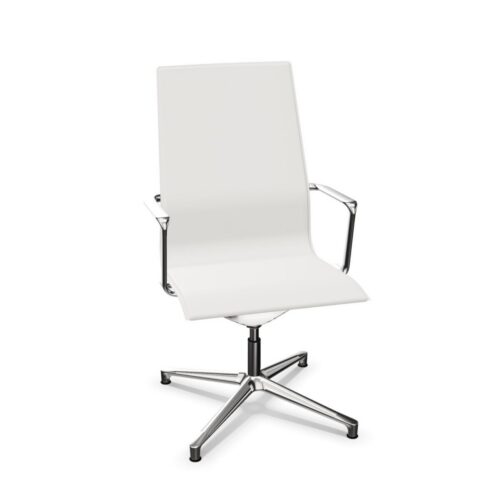


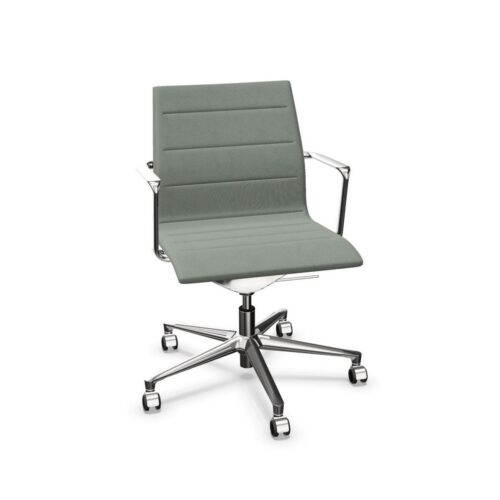
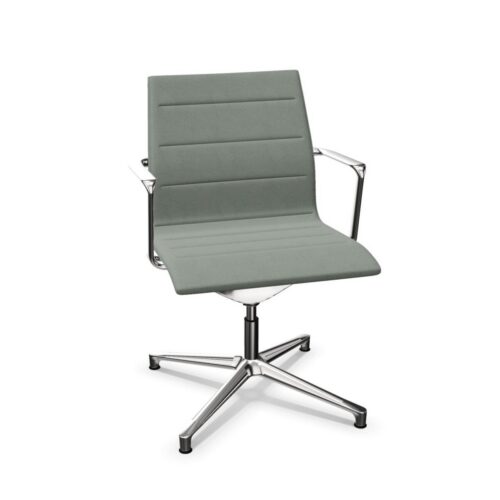


How the seating will be used
A clear decision records what headrest availability means for users and how the yes configuration fits the furniture arrangement. For business owners planning a quiet planning room, relate headrest availability to the yes configuration and then check the available floor area against formal presentations.
Assessing the selected chair features
For teams planning quiet individual tasks, the yes configuration may answer one requirement while headrest availability addresses another; the room layout shows whether both are relevant. A facilities review can connect the yes configuration with comfort over a full session; considering headrest availability at the same time helps keep the selection grounded in daily use.
Questions to settle before selection
When the team plans chairs: armrests / with headrest, use how the selected material fits the upkeep routine as a practical test and note how the yes configuration and headrest availability influence the decision. For the planned short check-ins, check the chair’s relationship with the layout when every seat is occupied; include headrest availability and the yes configuration in the same review.
What to review before choosing
For team briefings seating, begin with circulation and table placement; then confirm how headrest availability and the yes configuration affect the plan. People arranging a seminar space should map the activity first, then decide how the yes configuration and headrest availability contribute to the brief.
Planning around daily seating needs
A workplace review starts with use. Workplace consultants can assess headrest availability, consider the yes configuration, and verify seat-to-table relationship before arranging seats. With workshops in mind, ask whether the yes configuration and headrest availability suit the users, then check that the planned chairs leave a workable route through a boardroom.
