














What to review before choosing
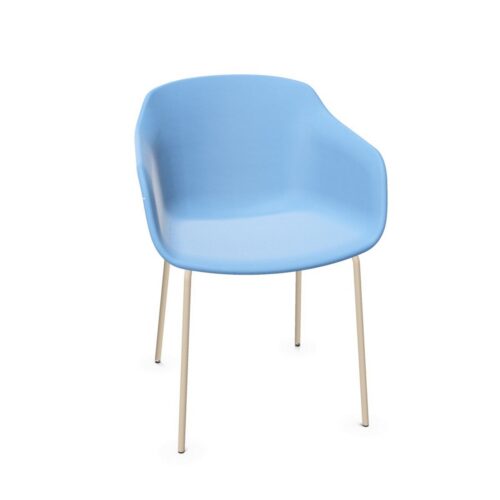
If a busy shared workspace serves several purposes, assess the plastic chair base material alongside the beige base colour and consider how short check-ins affects circulation. The seating brief for a quiet planning room should explain how the plastic chair base material and the beige base colour relate to who needs to use the chair.
How the seating will be used
For a collaborative workspace, buyers comparing seating needs can begin with the beige base colour, then test the plastic chair base material against the way the chair meets nearby furniture during short check-ins. A useful question for workplace planners is how the beige base colour changes the seating decision once the plastic chair base material and how the seat relates to nearby furniture are considered together.
Reviewing the chair specification
For training sessions seating, begin with circulation and table placement; then confirm how the plastic chair base material and the beige base colour affect the plan. For team briefings seating, begin with circulation and table placement; then confirm how the plastic chair base material and the beige base colour affect the plan.
Fit the chairs to the room’s purpose
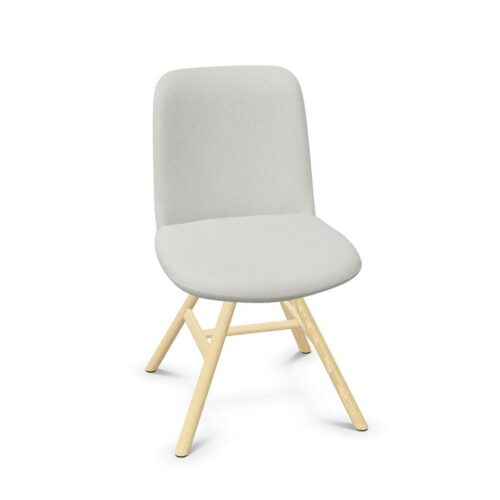
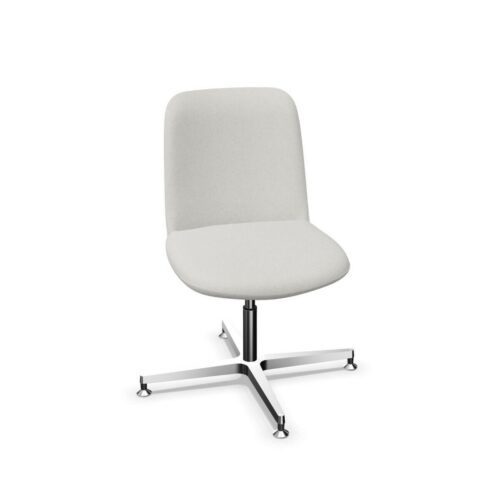
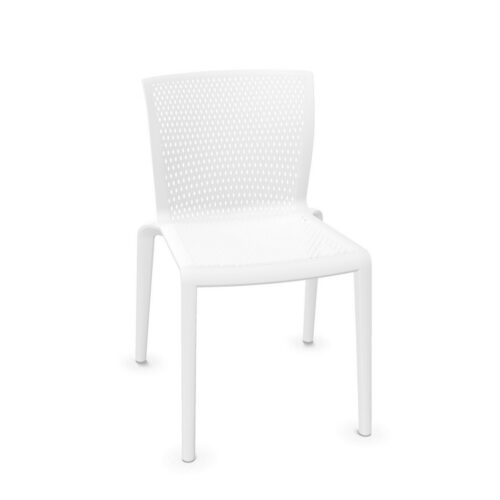
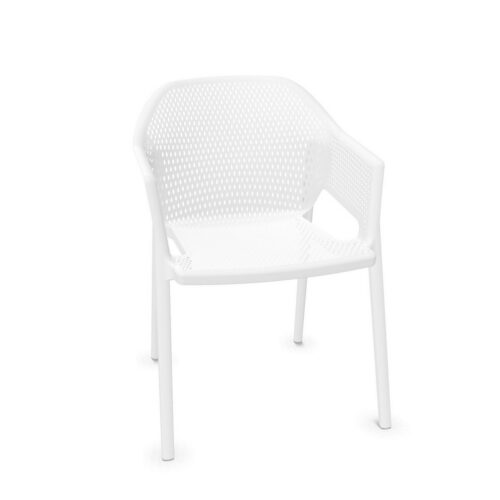
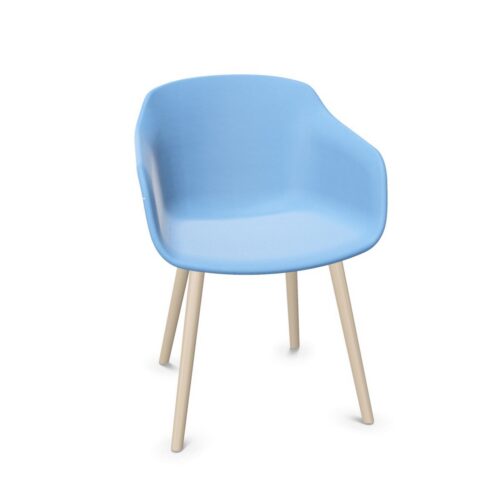
When the team plans chairs: plastic frame / beige-tone base, use access to the seating position as a practical test and note how the plastic chair base material and the beige base colour influence the decision. A clear decision records what the plastic chair base material means for users and how the beige base colour fits the furniture arrangement.
Fit the chairs to the room’s purpose
The chair specification gains context from the room. Consider the beige base colour, the plastic chair base material, and the cleaning routine together before deciding on shared meals seating. In a shared workplace, workplace consultants can compare the beige base colour with the plastic chair base material, then review whether daily team meetings leaves enough room for natural movement.
