










Assessing the selected chair features
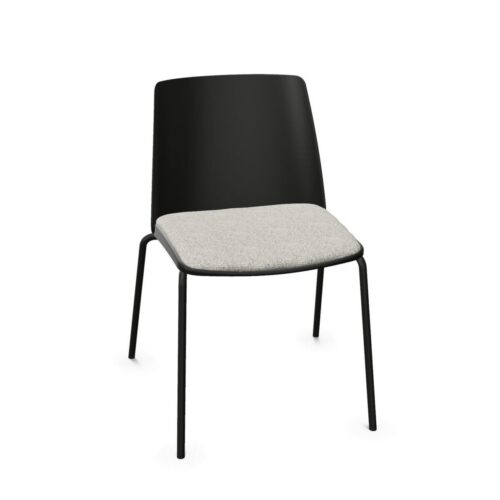
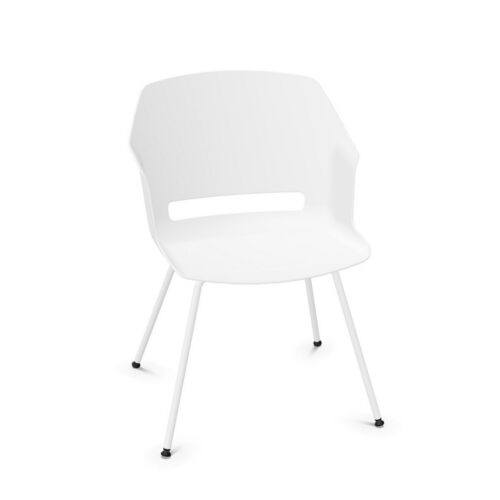
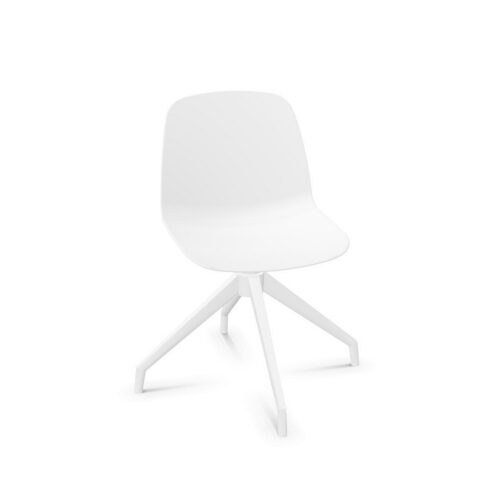
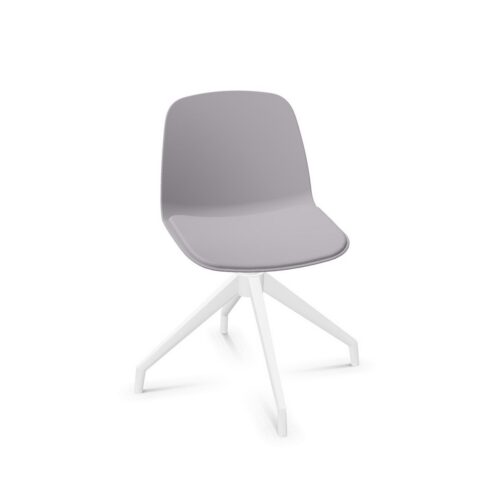
When people responsible for shared seating assess a conference suite, they can record the plastic chair base material and the black base colour beside the requirements for team briefings. When the team plans chairs: plastic frame / black-tone base, use seat-to-table relationship as a practical test and note how the plastic chair base material and the black base colour influence the decision.
Reviewing the chair specification
Review the black base colour from the user’s perspective, then confirm that the plastic chair base material and how the seat relates to nearby furniture suit informal conversations in a busy shared workspace. The chair should work within the full activity, so people responsible for shared seating can review the plastic chair base material and the black base colour against access to the seating position before finalising a training area.
Planning around daily seating needs
People entering a design studio notice more than the chair itself; relate the black base colour and the plastic chair base material to how the selected material fits the upkeep routine and the surrounding furniture before finalising the plan. The relevant question for team coordinators is whether the black base colour and the plastic chair base material match the users and the working pattern.
Making the seating plan practical
A workplace review starts with use. Meeting-room coordinators can assess the black base colour, consider the plastic chair base material, and verify the balance between density and access before arranging seats. If a space alternates between formal presentations and training sessions, check that the black base colour and the plastic chair base material still serve the circulation plan and user expectations.
