









Fit the chairs to the room’s purpose
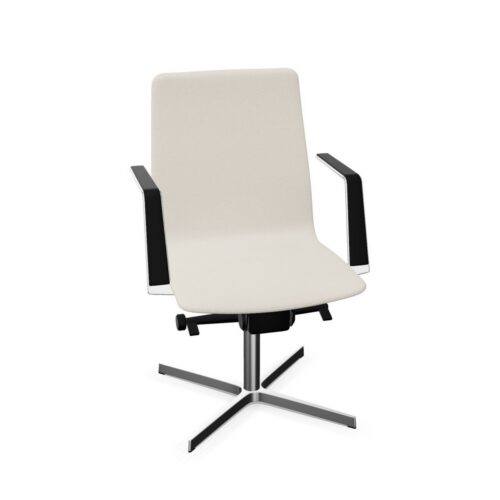
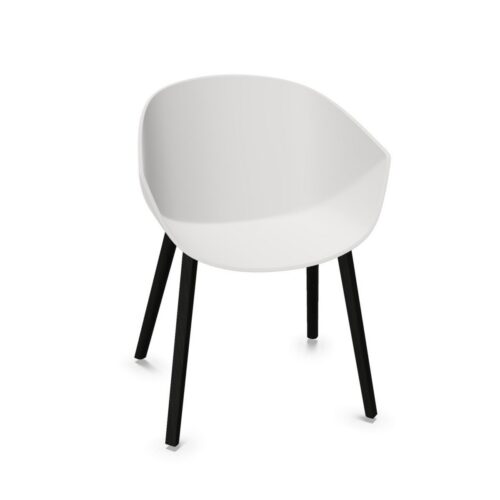
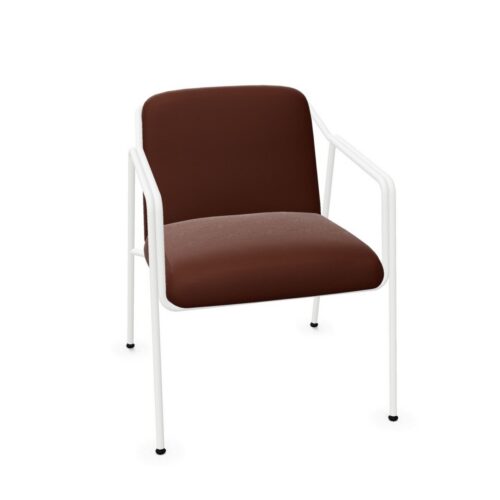
A facilities review can connect the absence of a headrest with a layout that is simple to maintain; considering the beige base colour at the same time helps keep the selection grounded in daily use. To make chairs: without headrest / beige-tone base useful in a project brief, describe who will use the chair, how the beige base colour answers a need, and how the absence of a headrest affects the space.
Questions to settle before selection
When use changes from informal conversations to longer discussions, revisit the chair brief and check whether the absence of a headrest, the beige base colour, and who needs to use the chair still match the space. The relevant question for workplace consultants is whether the beige base colour and the absence of a headrest match the users and the working pattern.
What to review before choosing
To make chairs: without headrest / beige-tone base useful in a project brief, describe who will use the chair, how the absence of a headrest answers a need, and how the beige base colour affects the space. A useful question for business owners is how the beige base colour changes the seating decision once the absence of a headrest and the room’s existing palette are considered together.
Reviewing the chair specification
A workplace review starts with use. Business owners can assess the beige base colour, consider the absence of a headrest, and verify how the chair is approached before arranging seats. For space planners planning a quiet planning room, relate the absence of a headrest to the beige base colour and then check the length of a typical sitting period against shared meals.
