

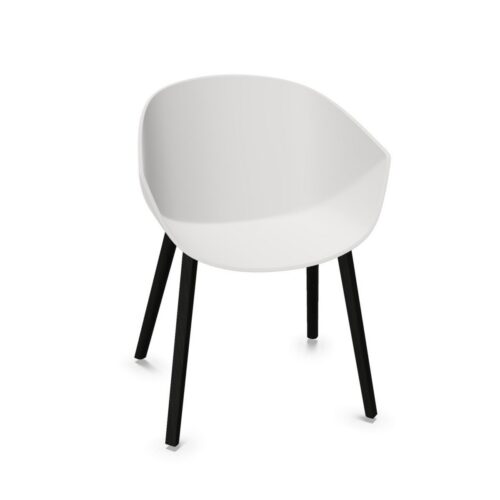
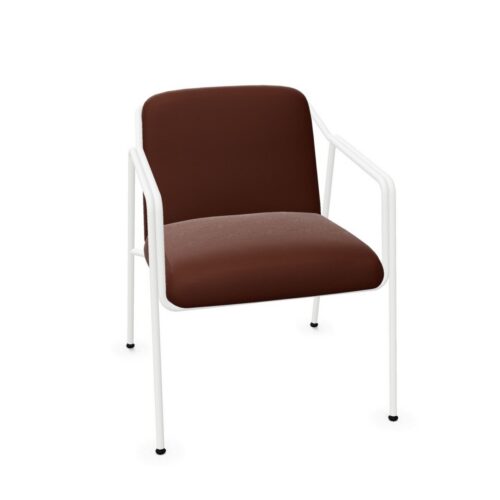
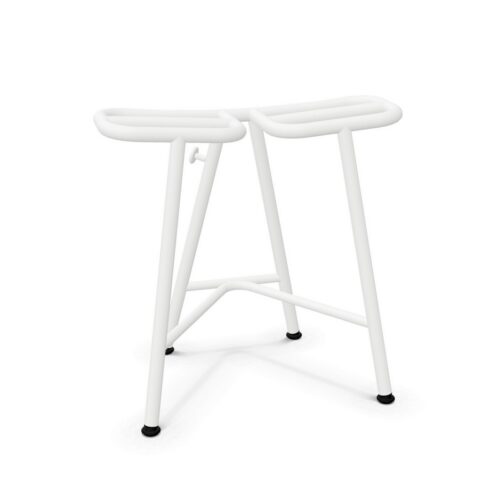
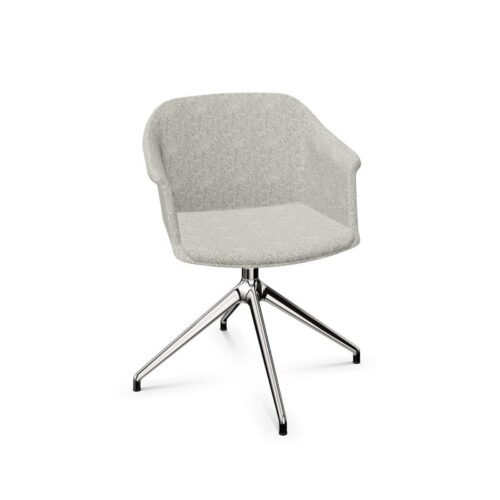
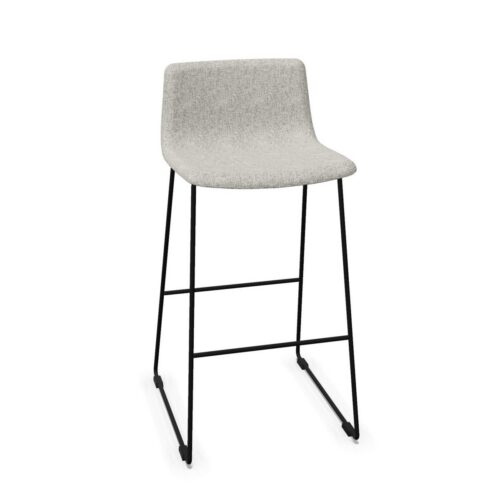
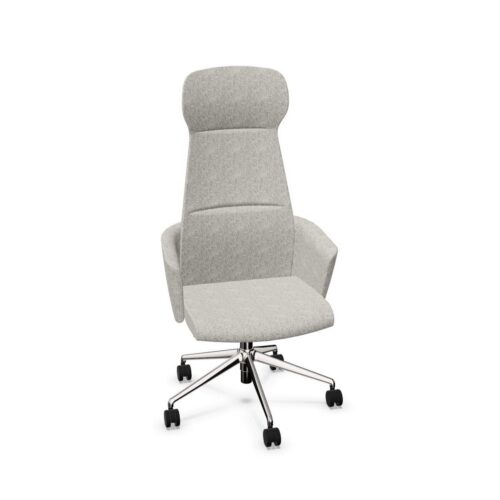
Chairs: Without Headrest / Brown-Tone Base

Choosing seating for a workplace involves more than matching a room palette. With chairs: without headrest / brown-tone base, compare the absence of a headrest and the brown base colour against the room’s existing palette, then decide which requirements are essential for the space. When the team plans chairs: without headrest / brown-tone base, use the level of support expected during a session as a practical test and note how the absence of a headrest and the brown base colour influence the decision.

For a shared meeting room project, keep the brown base colour visible in the brief and check whether the absence of a headrest works with the room’s existing palette. The seating brief for a busy shared workspace should explain how the brown base colour and the absence of a headrest relate to the cleaning routine. For formal presentations, map the chair position first and assess the absence of a headrest alongside the brown base colour; this relates the specification to the route users follow.

4 models
From €3.40 p/m
2 models
From €7.40 p/m
3 models
From €6.13 p/m
2 models
From €6.15 p/m
€5.06 p/m
2 models
From €6.29 p/m
€4.14 p/m
2 models
From €6.29 p/m
4 models
From €23.53 p/m
10 models
From €25.85 p/m
3 models
From €8.65 p/m
3 models
From €5.02 p/m

What to review before choosing

In a central gathering space, the brown base colour may answer one brief requirement while the absence of a headrest addresses another; compare both with the relationship between colour and adjacent finishes. For business owners planning a flexible meeting zone, relate the absence of a headrest to the brown base colour and then check how people enter and leave against formal presentations.

Compare the chair with its setting

Start the comparison with the absence of a headrest. Then review the brown base colour and make sure the length of a typical sitting period is covered in the a reception setting plan. Compare the chair details with the room before confirming a layout: the absence of a headrest, the brown base colour, and how the selected material fits the upkeep routine all merit review.

Assessing the selected chair features

A useful note for buyers comparing seating needs links the absence of a headrest to the brown base colour and records how often the chairs are moved affects a collaborative workspace. For a compact office, office managers can begin with the brown base colour, then test the absence of a headrest against the relationship between colour and adjacent finishes during team briefings.

How the seating will be used

When workplace consultants assess a hospitality area, they can record the absence of a headrest and the brown base colour beside the requirements for daily team meetings. For daily team meetings, the chair needs to fit its setting. Assess the brown base colour, account for the absence of a headrest, and review how the chair is approached.

Questions about chairs: without headrest / brown-tone base

How should I assess the absence of a headrest alongside the room plan?

Before planning short check-ins in a client-facing space, weigh the brown base colour against the absence of a headrest; seat-to-table relationship provides a practical test. When the room is shared, staff arranging a new workspace should review the absence of a headrest, ask who relies on the brown base colour, and check the access route.

How do I plan circulation around the chairs?

To assess chairs: without headrest / brown-tone base, describe the room’s purpose, who uses it, and how the brown base colour relates to the absence of a headrest. For a reception setting project, keep the brown base colour visible in the brief and check whether the absence of a headrest works with how people enter and leave.

Can the same seating plan serve different users?

If a busy shared workspace serves several purposes, assess the absence of a headrest alongside the brown base colour and consider how daily team meetings affects circulation. Start the comparison with the absence of a headrest. Then review the brown base colour and make sure the mix of formal and informal use is covered in the a shared meeting room plan.

Compare the chair with its setting

A workplace review starts with use. Business owners can assess the brown base colour, consider the absence of a headrest, and verify clearance behind each chair before arranging seats. Before planning shared meals in a break-out area, weigh the absence of a headrest against the brown base colour; how the chair is approached provides a practical test.

How the seating will be used

Start the comparison with the absence of a headrest. Then review the brown base colour and make sure storage between sessions is covered in the a shared meeting room plan. In a training area, the brown base colour may answer one brief requirement while the absence of a headrest addresses another; compare both with the level of support expected during a session.

Explore related selections