



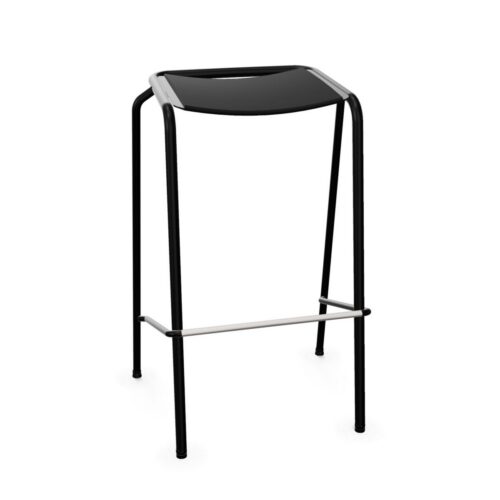
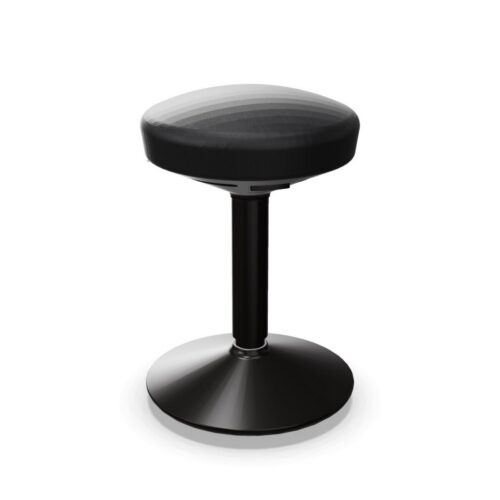


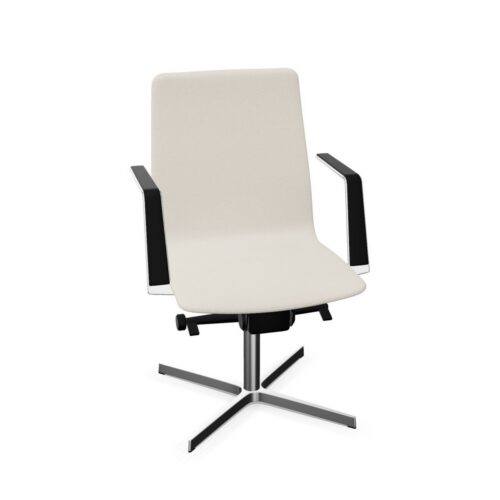
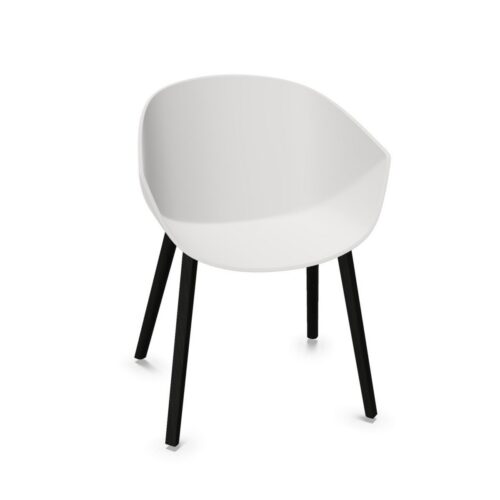






Assessing the selected chair features
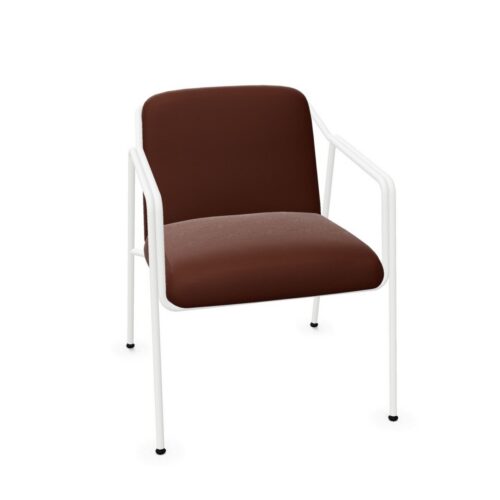
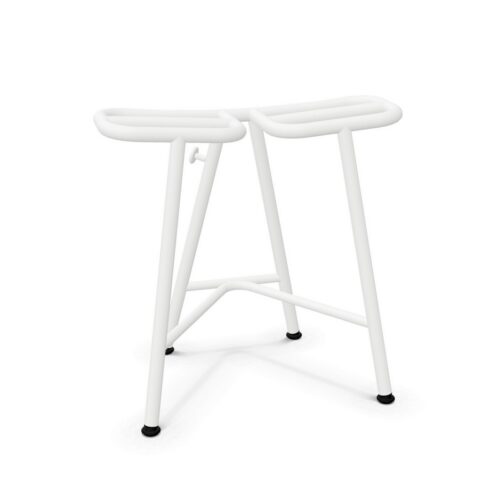
When the team plans office chairs with black-tone base, use the path between seating rows as a practical test and note how the space around each seat and the black base colour influence the decision. Start the comparison with the black base colour. Then review the planned activity and make sure storage between sessions is covered in the a training area plan.
Planning around daily seating needs
The chair should work within the full activity, so office managers can review how the seat is approached and the black base colour against access to the seating position before finalising a quiet planning room. The planned activity may change during the week. Check the black base colour and the planned activity against both shared meals and informal conversations.
What to review before choosing
A chair shortlist for a hospitality area should explain why the black base colour matters, how access beside the chair changes the choice, and what needs checking around how the seat relates to nearby furniture. For a visitor room, buyers comparing seating needs can begin with the sequence of a work session, then test the black base colour against the way the chair meets nearby furniture during informal conversations.
Making the seating plan practical
When staff arranging a new workspace assess an interview room, they can record how the seat is approached and the black base colour beside the requirements for interviews. When office administrators assess a design studio, they can record the expected session length and the black base colour beside the requirements for rotating users.
