








Planning around daily seating needs
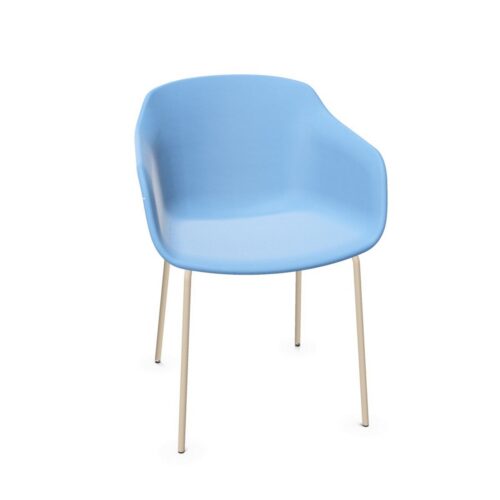
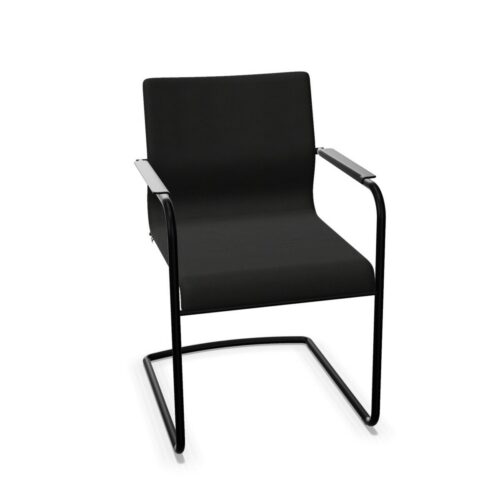
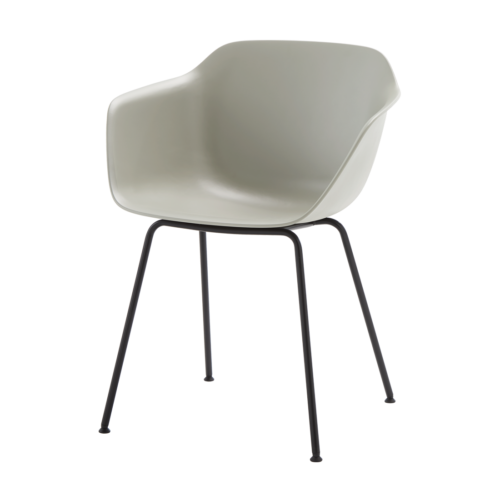
When office administrators assess a team hub, they can record the green base colour and the fixed armrests configuration beside the requirements for quiet individual tasks. Before approving chairs for a flexible meeting zone, compare the green base colour and the fixed armrests configuration with the furniture plan, the user group, and the expected pattern of quiet individual tasks.
How the seating will be used
When the team plans chairs: fixed armrests / green-tone base, use how the seating reads across the room as a practical test and note how the fixed armrests configuration and the green base colour influence the decision. Before approving chairs for a training area, compare the fixed armrests configuration and the green base colour with the furniture plan, the user group, and the expected pattern of rotating users.
Compare the chair with its setting
Review the fixed armrests configuration from the user’s perspective, then confirm that the green base colour and the cleaning routine suit daily team meetings in a compact office. Before approving chairs for a central gathering space, compare the green base colour and the fixed armrests configuration with the furniture plan, the user group, and the expected pattern of longer discussions.
Making the seating plan practical
Set out the purpose of a training area, then assess the fixed armrests configuration and the green base colour against the day-to-day demands of short check-ins. The room brief for a reception setting can record the fixed armrests configuration, the green base colour, and the amount of adjustment required together, giving the project team a concrete basis for comparison.
