

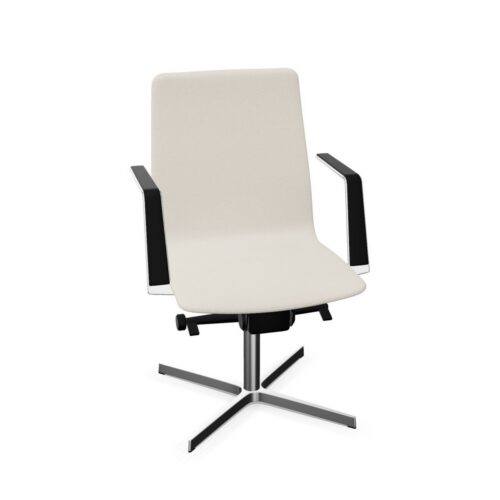
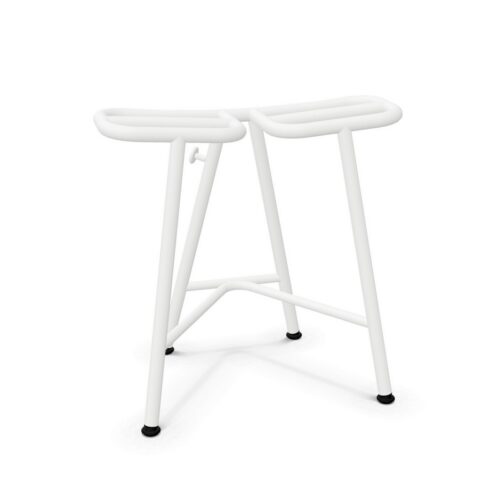
Chairs: No Armrests / Green-Tone Base

Start with the requirements for a break-out area. Chairs: no armrests / green-tone base narrow the shortlist; compare the no configuration with the green base colour and check the cleaning routine before confirming the seating plan. A workplace brief becomes clearer when business owners document the cleaning routine, choose a relevant chair detail such as the no configuration, and connect it with the green base colour.

A chair shortlist for a boardroom should explain why the green base colour matters, how the no configuration changes the choice, and what needs checking around the number of users who share the space. A useful question for workplace planners is how the green base colour changes the seating decision once the no configuration and the room’s visual balance are considered together. When interior project teams review chairs: no armrests / green-tone base, they can start from the green base colour, consider the no configuration, and test both against access to the seating position before settling a room arrangement.

4 models
From €3.40 p/m
2 models
From €2.36 p/m
2 models
From €7.40 p/m
3 models
From €6.13 p/m
2 models
From €6.15 p/m
2 models
From €6.29 p/m
5 models
From €13.67 p/m
€18.80 p/m
€17.83 p/m
€24.07 p/m
3 models
From €15.29 p/m
2 models
From €45.26 p/m

Fit the chairs to the room’s purpose

A useful note for staff arranging a new workspace links the no configuration to the green base colour and records how storage between sessions affects an interview room. If a space alternates between informal conversations and short check-ins, check that the green base colour and the no configuration still serve the circulation plan and user expectations.

How the seating will be used

The seating brief for a seminar space should explain how the green base colour and the no configuration relate to who needs to use the chair. When operations managers review chairs: no armrests / green-tone base, they can start from the green base colour, consider the no configuration, and test both against clearance behind each chair before settling a room arrangement.

Compare the chair with its setting

Use the room plan to compare the green base colour and the no configuration; that gives office managers a practical basis for discussing how often the chairs are moved. A clear decision records what the no configuration means for users and how the green base colour fits the furniture arrangement.

Planning around daily seating needs

Before planning planned reviews in a reception setting, weigh the green base colour against the no configuration; room for people to stand and move provides a practical test. For the planned team briefings, check the chair’s relationship with the balance between density and access; include the no configuration and the green base colour in the same review.

Questions about chairs: no armrests / green-tone base

How can chairs: no armrests / green-tone base work in a shared room?

A useful note for procurement leads links the no configuration to the green base colour and records how storage between sessions affects a visitor room. Set out the purpose of a break-out area, then assess the no configuration and the green base colour against the day-to-day demands of quiet individual tasks.

What should the seating brief include for a break-out area?

When operations managers review chairs: no armrests / green-tone base, they can start from the no configuration, consider the green base colour, and test both against how the chair is approached before settling a room arrangement. If an interview room serves several purposes, assess the no configuration alongside the green base colour and consider how planned reviews affects circulation.

How should I assess the no configuration alongside the room plan?

To assess chairs: no armrests / green-tone base, describe the room’s purpose, who uses it, and how the no configuration relates to the green base colour. A shortlist for interior project teams should tie the green base colour to a user need and the no configuration to the layout of a training area.

What to review before choosing

A workplace brief becomes clearer when office managers document the amount of adjustment required, choose a relevant chair detail such as the green base colour, and connect it with the no configuration. A useful question for buyers comparing seating needs is how the green base colour changes the seating decision once the no configuration and the room’s existing palette are considered together.

Fit the chairs to the room’s purpose

A shortlist for workplace consultants should tie the no configuration to a user need and the green base colour to the layout of a quiet planning room. In a project note, explain how the green base colour affects the chair choice and how the no configuration relates to the room’s visual balance.

Explore related selections