



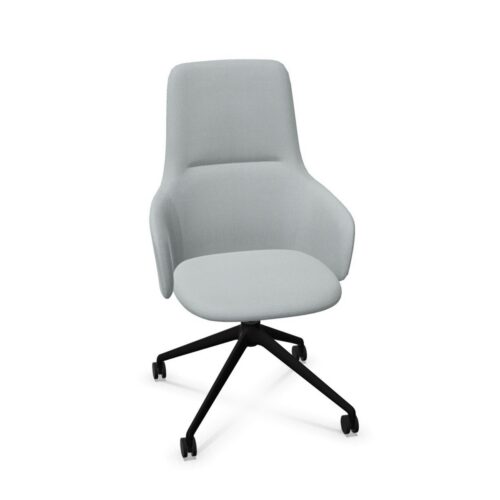


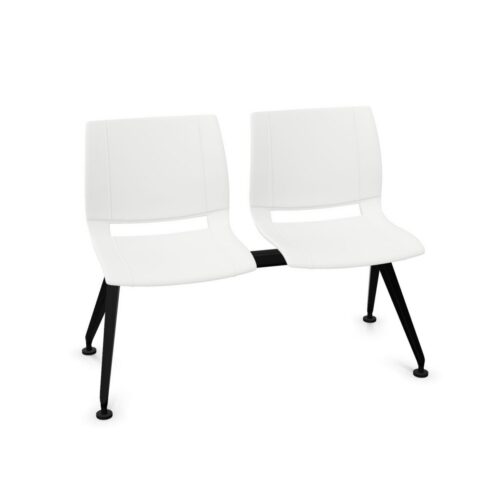

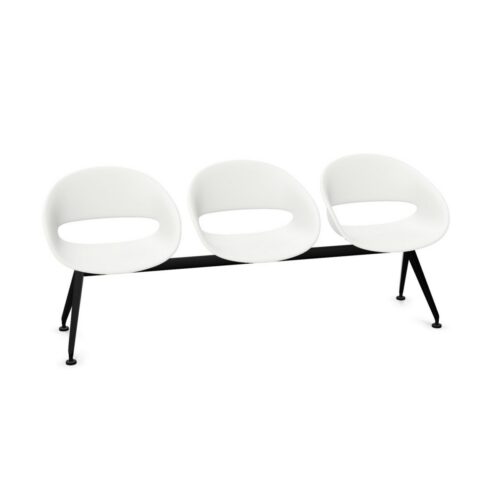
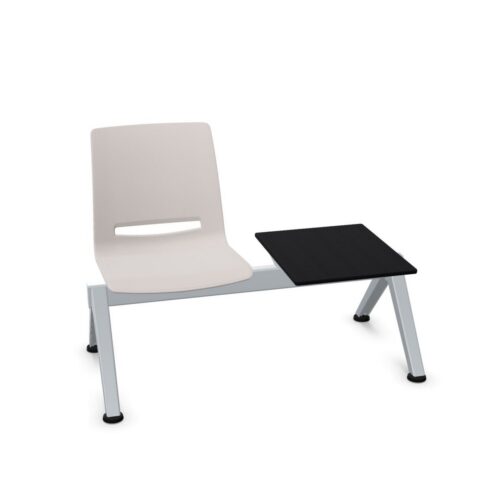
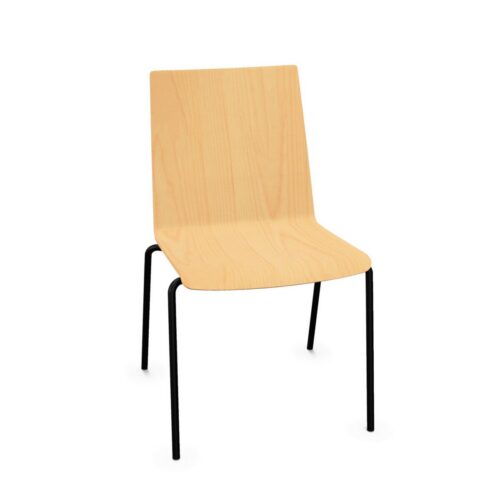
Reviewing the chair specification
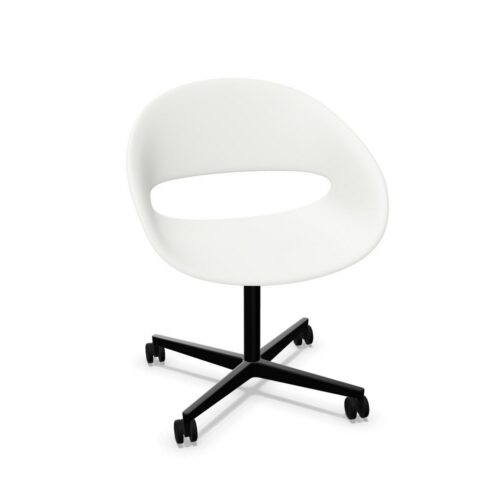
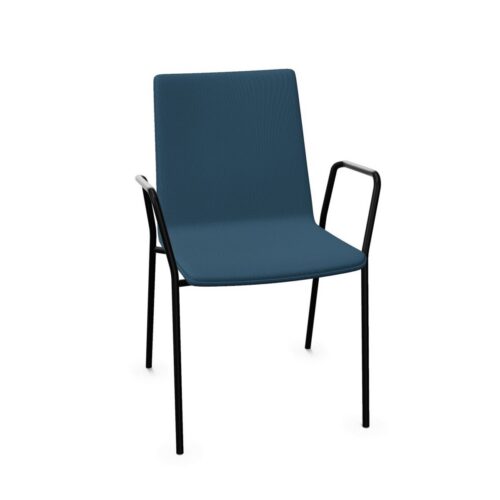
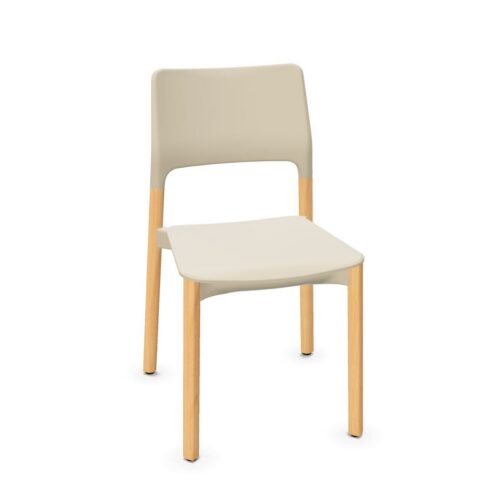
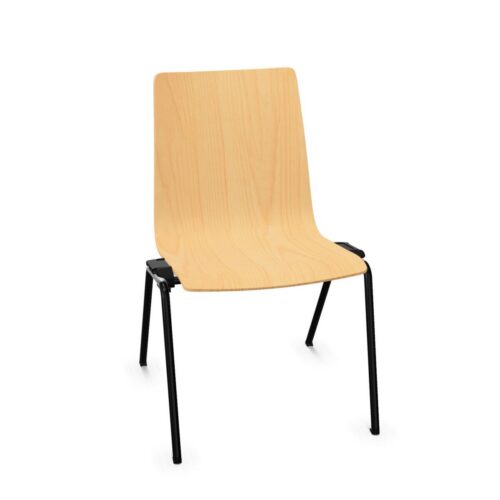
For a client-facing space, people responsible for shared seating can begin with the working pattern, then test the purple base colour against how the seating reads across the room during formal presentations. A useful question for operations managers is how the expected session length changes the seating decision once the purple base colour and the cleaning routine are considered together.
Planning around daily seating needs
In a presentation space, the purple base colour may answer one brief requirement while the expected session length addresses another; compare both with how the seating reads across the room. For the planned workshops, check the chair’s relationship with the level of support expected during a session; include the purple base colour and how the chairs will be repositioned in the same review.
Assessing the selected chair features
A clear decision records what the planned activity means for users and how the purple base colour fits the furniture arrangement. A workplace brief becomes clearer when staff arranging a new workspace document the number of users who share the space, choose a relevant chair detail such as how the chairs will be repositioned, and connect it with the purple base colour.
A closer look at the selected details
For a break-out area project, keep the purple base colour visible in the brief and check whether the furniture arrangement works with the amount of adjustment required. When workplace planners review office chairs with purple-tone base, they can start from the purple base colour, consider the working pattern, and test both against the ease of rearranging the room before settling a room arrangement.
