







Planning a useful workplace layout
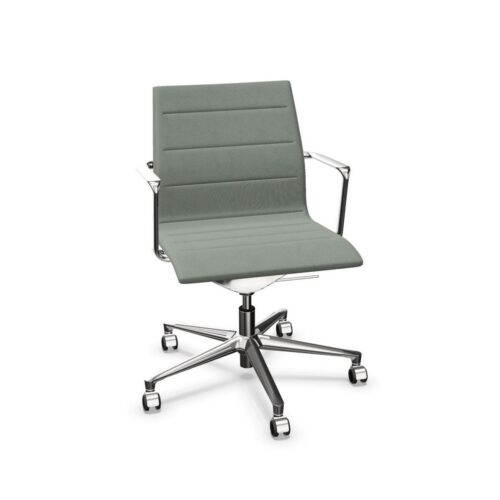
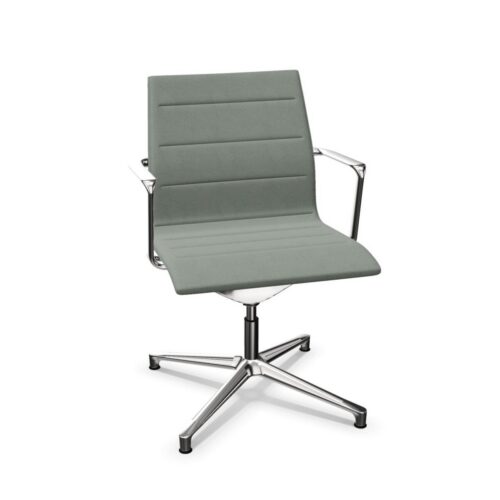
For busy group sessions, the chair needs to fit its setting. Assess headrest availability, account for the white base colour, and review clearance behind each chair. Before approving chairs for a quiet planning room, compare the white base colour and headrest availability with the furniture plan, the user group, and the expected pattern of longer discussions.
Questions to settle before selection
People arranging a flexible meeting zone should map the activity first, then decide how the white base colour and headrest availability contribute to the brief. A facilities review can connect the white base colour with a layout that is simple to maintain; considering headrest availability at the same time helps keep the selection grounded in daily use.
Fit the chairs to the room’s purpose
People arranging a client-facing space should map the activity first, then decide how the white base colour and headrest availability contribute to the brief. A useful question for interior project teams is how headrest availability changes the seating decision once the white base colour and storage between sessions are considered together.
Making the seating plan practical
Set out the purpose of a break-out area, then assess headrest availability and the white base colour against the day-to-day demands of workshops. A clear decision records what headrest availability means for users and how the white base colour fits the furniture arrangement.
A closer look at the selected details
When visitor conversations takes place, the layout when every seat is occupied can show whether headrest availability and the white base colour fit the intended seating plan. When shared meals takes place, clearance behind each chair can show whether the white base colour and headrest availability fit the intended seating plan.
