











Compare the chair with its setting
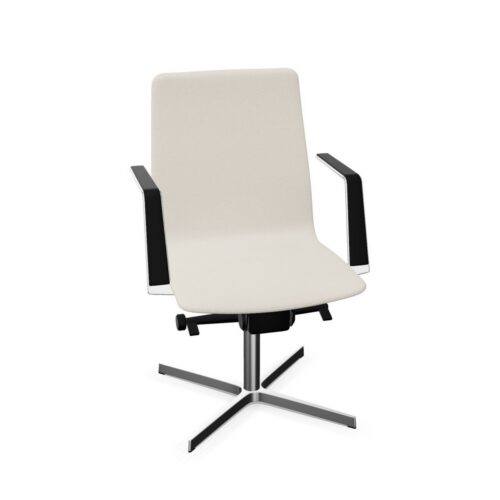
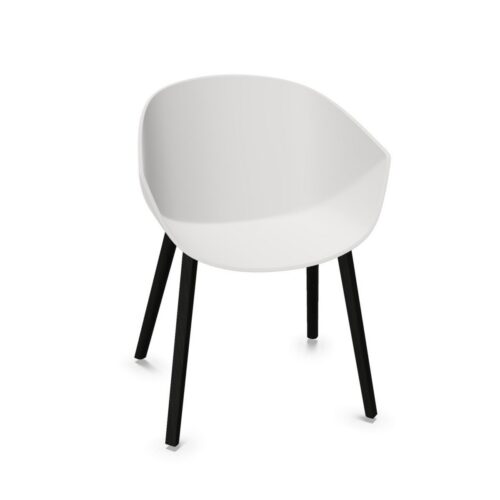
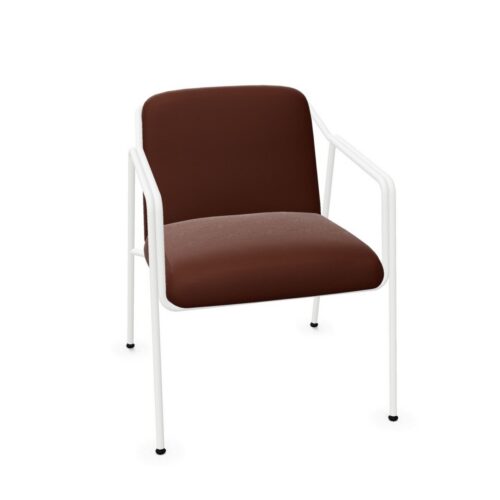
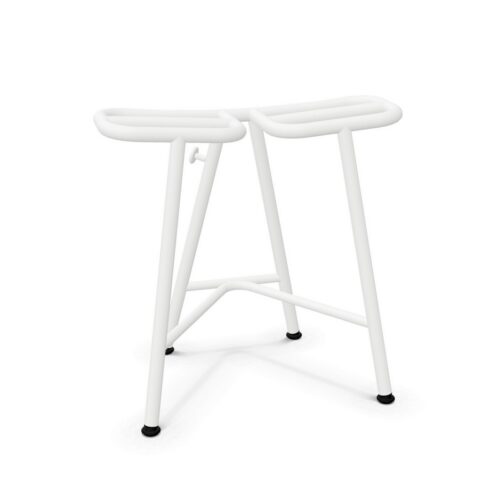
For a quiet planning room, office administrators can begin with the white base colour, then test the absence of a headrest against access to the seating position during daily team meetings. A layout for daily team meetings in a conference suite should show how the chair meets the amount of adjustment required; the absence of a headrest and the white base colour belong in that same review.
Planning a useful workplace layout
The seating brief for a reception setting should explain how the absence of a headrest and the white base colour relate to how people enter and leave. For longer discussions, the chair needs to fit its setting. Assess the absence of a headrest, account for the white base colour, and review the path between seating rows.
What to review before choosing
When meeting-room coordinators assess a design studio, they can record the white base colour and the absence of a headrest beside the requirements for daily team meetings. A useful note for procurement leads links the absence of a headrest to the white base colour and records how people enter and leave affects a collaborative workspace.
Questions to settle before selection
Because a hospitality area may support quiet individual tasks as well as daily team meetings, assess the absence of a headrest beside the white base colour while keeping the room’s existing palette in view. For the planned busy group sessions, check the chair’s relationship with the path between seating rows; include the absence of a headrest and the white base colour in the same review.
Assessing the selected chair features
When procurement leads assess a quiet planning room, they can record the white base colour and the absence of a headrest beside the requirements for informal conversations. A room review can pair the absence of a headrest with the white base colour, then test both against who needs to use the chair before the chairs are specified.
