







Planning around daily seating needs
The chair specification gains context from the room. Consider a fixed seat-height specification, the absence of a headrest, and how people enter and leave together before deciding on informal conversations seating. Use the room plan to compare the absence of a headrest and a fixed seat-height specification; that gives people responsible for shared seating a practical basis for discussing aisle clearance.
Assessing the selected chair features
In a shared workplace, interior project teams can compare a fixed seat-height specification with the absence of a headrest, then review whether team briefings leaves enough room for natural movement. People entering a canteen notice more than the chair itself; relate the absence of a headrest and a fixed seat-height specification to the layout when every seat is occupied and the surrounding furniture before finalising the plan.
Making the seating plan practical
A workplace review starts with use. Procurement leads can assess a fixed seat-height specification, consider the absence of a headrest, and verify how the chair is approached before arranging seats. A useful question for office managers is how a fixed seat-height specification changes the seating decision once the absence of a headrest and the furniture already in place are considered together.
Planning a useful workplace layout
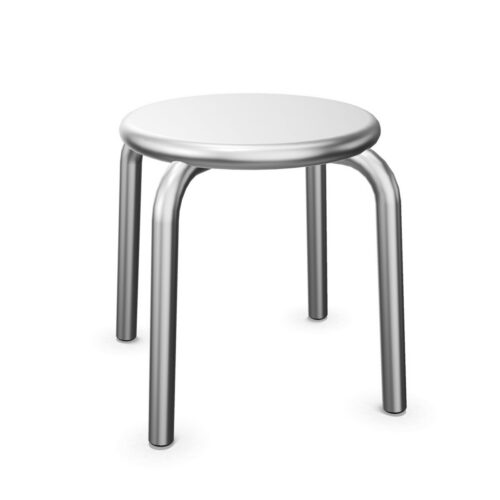
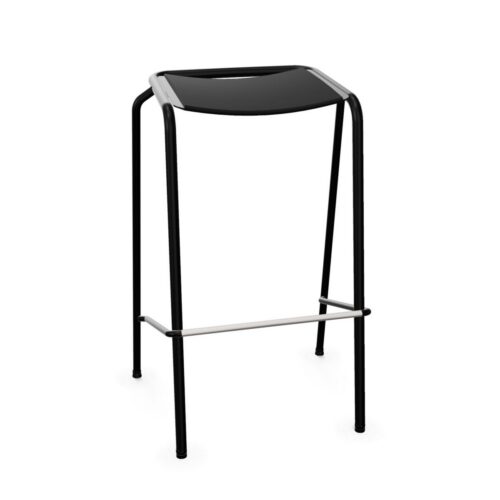
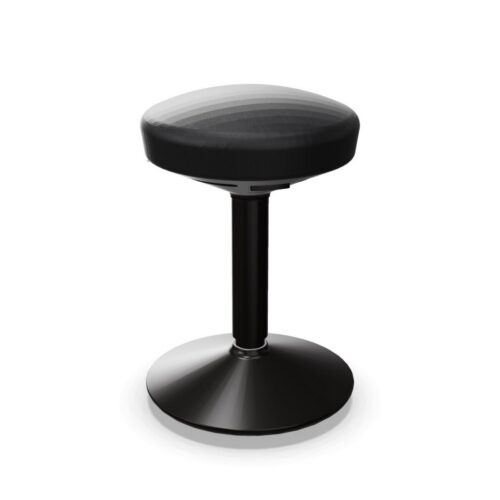
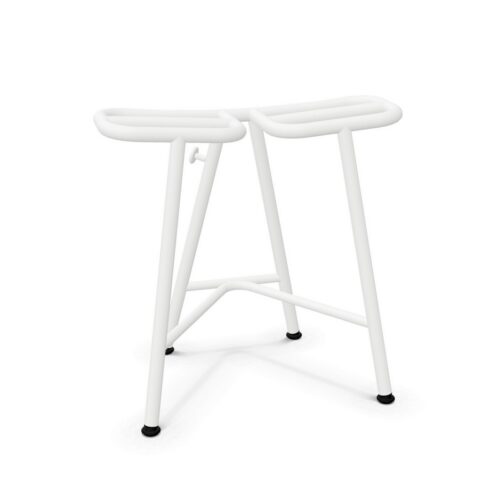
When meeting-room coordinators review chairs: without headrest / fixed height, they can start from a fixed seat-height specification, consider the absence of a headrest, and test both against how the chair is approached before settling a room arrangement. Start the comparison with a fixed seat-height specification. Then review the absence of a headrest and make sure the room’s visual balance is covered in the a compact office plan.
