

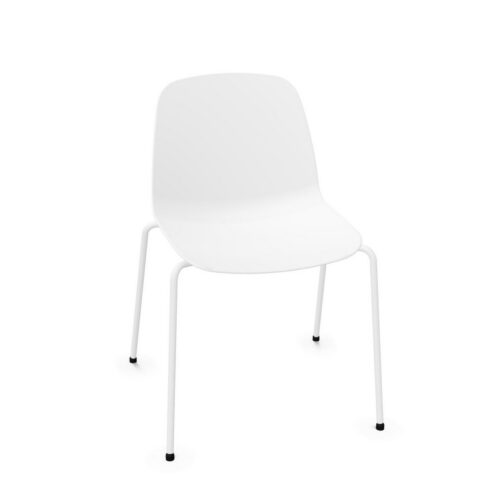
Chairs: Without Headrest / Adjustable Height

For short check-ins in a break-out area, look at the complete arrangement as well as the chair. Chairs: without headrest / adjustable height highlight the absence of a headrest and seat-height adjustability for closer review. For teams planning longer discussions, seat-height adjustability may answer one requirement while the absence of a headrest addresses another; the room layout shows whether both are relevant.

A useful note for people responsible for shared seating links the absence of a headrest to seat-height adjustability and records how aisle clearance affects a training area. In a project note, explain how seat-height adjustability affects the chair choice and how the absence of a headrest relates to the number of users who share the space. A useful question for buyers comparing seating needs is how the absence of a headrest changes the seating decision once seat-height adjustability and who needs to use the chair are considered together.

14 models
From €3.40 p/m
3 models
From €7.34 p/m
6 models
From €10.09 p/m
6 models
From €26.49 p/m
2 models
From €15.52 p/m
2 models
From €9.31 p/m
5 models
From €3.59 p/m
2 models
From €8.96 p/m
4 models
From €4.47 p/m
3 models
From €4.86 p/m
4 models
From €6.62 p/m

Questions to settle before selection

Set out the purpose of a central gathering space, then assess the absence of a headrest and seat-height adjustability against the day-to-day demands of informal conversations. The chair specification gains context from the room. Consider the absence of a headrest, seat-height adjustability, and who needs to use the chair together before deciding on formal presentations seating.

A closer look at the selected details

When the team plans chairs: without headrest / adjustable height, use the amount of space left for circulation as a practical test and note how the absence of a headrest and seat-height adjustability influence the decision. The planned activity may change during the week. Check the absence of a headrest and seat-height adjustability against both rotating users and longer discussions.

How this chair choice fits the room

A useful question for workplace consultants is how the absence of a headrest changes the seating decision once seat-height adjustability and the length of a typical sitting period are considered together. For teams planning shared meals, the absence of a headrest may answer one requirement while seat-height adjustability addresses another; the room layout shows whether both are relevant.

Making the seating plan practical

People entering an interview room notice more than the chair itself; relate the absence of a headrest and seat-height adjustability to the level of support expected during a session and the surrounding furniture before finalising the plan. A useful note for procurement leads links seat-height adjustability to the absence of a headrest and records how the length of a typical sitting period affects a flexible meeting zone.

Questions about chairs: without headrest / adjustable height

Which room details matter when comparing chairs: without headrest / adjustable height?

For the planned visitor conversations, check the chair’s relationship with how the chair is approached; include the absence of a headrest and seat-height adjustability in the same review. A useful note for office administrators links seat-height adjustability to the absence of a headrest and records how the available floor area affects a multi-purpose room.

Which details should a facilities team confirm?

Use the room plan to compare seat-height adjustability and the absence of a headrest; that gives office administrators a practical basis for discussing aisle clearance. The seating brief for a shared meeting room should explain how seat-height adjustability and the absence of a headrest relate to aisle clearance.

What should I check before choosing chairs: without headrest / adjustable height?

A clear decision records what the absence of a headrest means for users and how seat-height adjustability fits the furniture arrangement. A chair shortlist for a break-out area should explain why seat-height adjustability matters, how the absence of a headrest changes the choice, and what needs checking around the mix of formal and informal use.

Planning a useful workplace layout

A workplace brief becomes clearer when people responsible for shared seating document the room’s existing palette, choose a relevant chair detail such as seat-height adjustability, and connect it with the absence of a headrest. For a quiet planning room project, keep the absence of a headrest visible in the brief and check whether seat-height adjustability works with how people enter and leave.

Reviewing the chair specification

Before approving chairs for a project room, compare the absence of a headrest and seat-height adjustability with the furniture plan, the user group, and the expected pattern of team briefings. A useful note for workplace consultants links the absence of a headrest to seat-height adjustability and records how the amount of adjustment required affects a client-facing space.

Explore related selections