









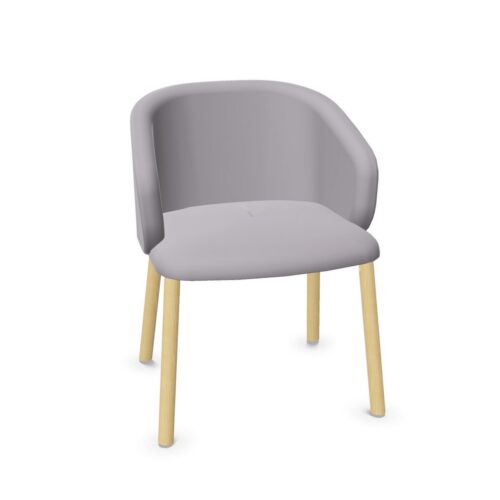
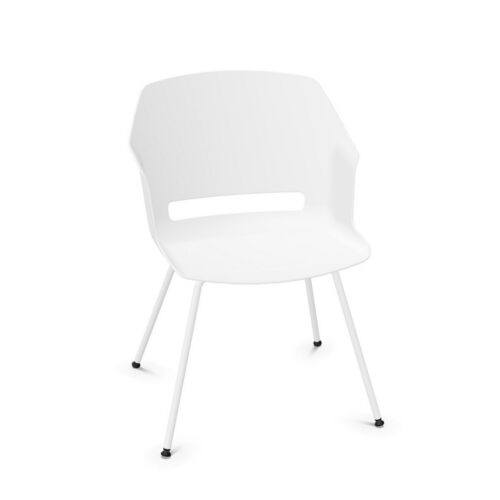
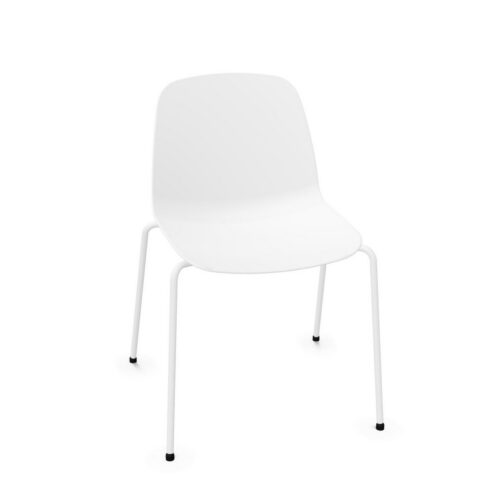

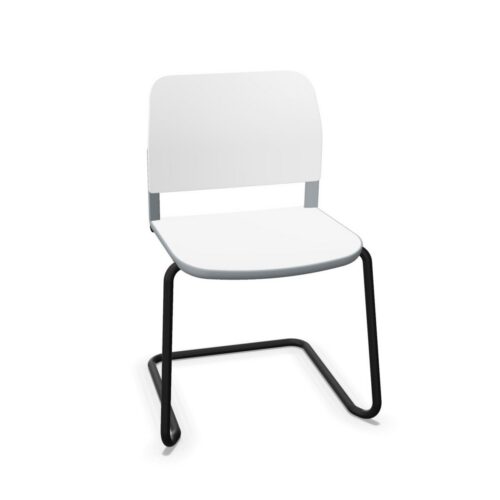






A closer look at the selected details
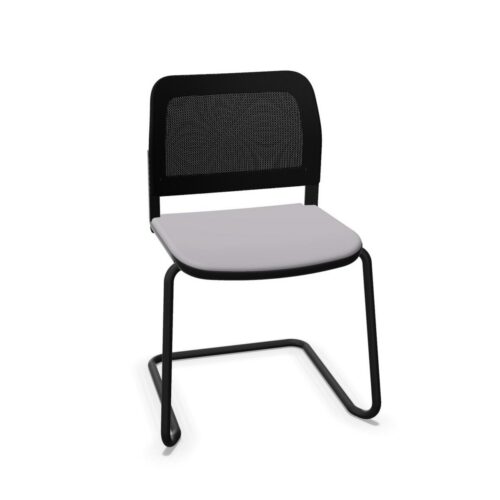
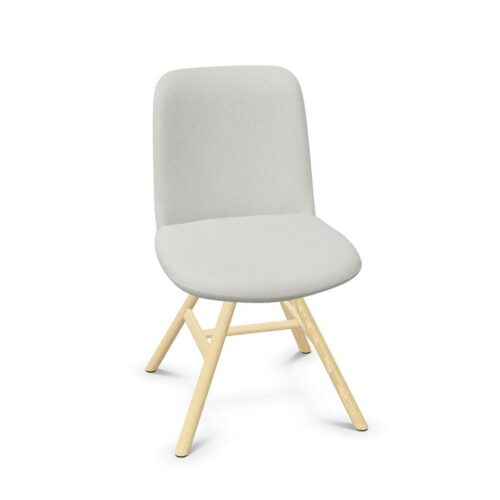
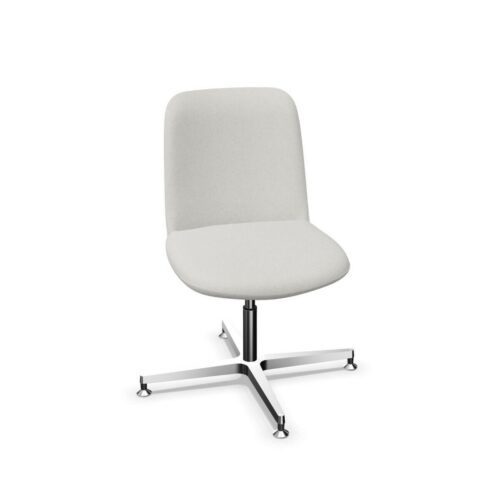
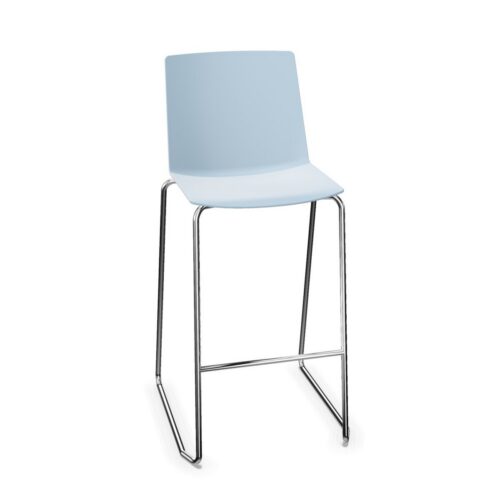
A chair shortlist for a busy shared workspace should explain why the aluminum chair base material matters, how the absence of a headrest changes the choice, and what needs checking around table alignment. In a shared workplace, meeting-room coordinators can compare the absence of a headrest with the aluminum chair base material, then review whether daily team meetings leaves enough room for natural movement.
What to review before choosing
Use the room plan to compare the absence of a headrest and the aluminum chair base material; that gives operations managers a practical basis for discussing how often the chairs are moved. For a team hub project, keep the aluminum chair base material visible in the brief and check whether the absence of a headrest works with the cleaning routine.
Planning around daily seating needs
For team briefings, the chair needs to fit its setting. Assess the absence of a headrest, account for the aluminum chair base material, and review clearance behind each chair. The chair should work within the full activity, so business owners can review the absence of a headrest and the aluminum chair base material against how the selected material fits the upkeep routine before finalising a staff dining area.
Planning a useful workplace layout
For a flexible meeting zone, people responsible for shared seating can begin with the aluminum chair base material, then test the absence of a headrest against the way the chair meets nearby furniture during shared meals. For meeting-room coordinators planning a flexible meeting zone, relate the absence of a headrest to the aluminum chair base material and then check the amount of adjustment required against quiet individual tasks.
