

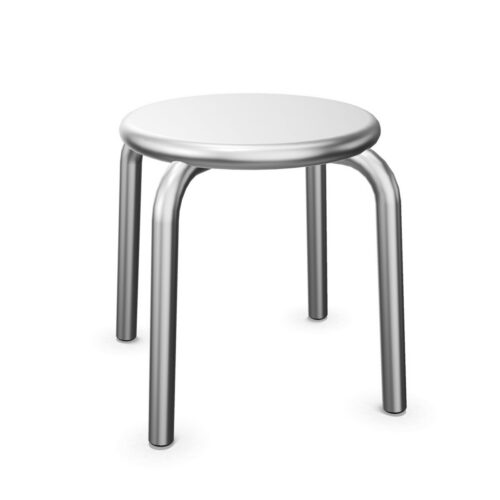
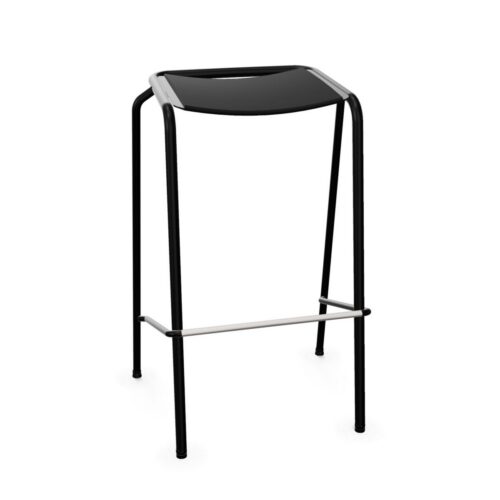
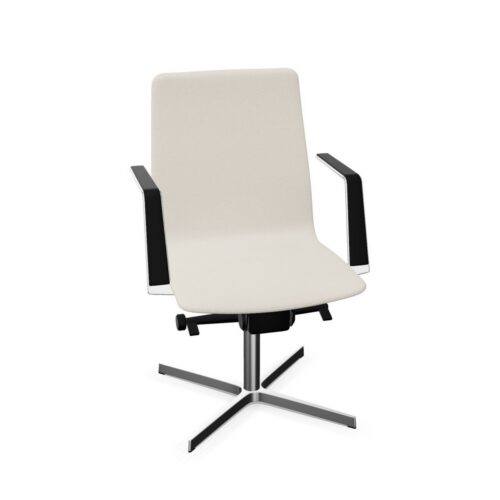
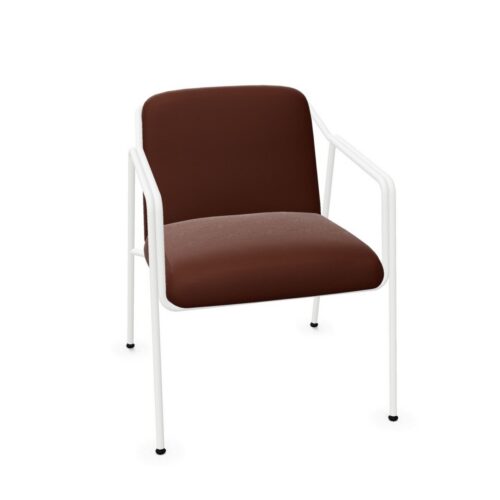
Chairs: Without Headrest / Metal Frame

Office seating works best when the specification follows a real need. Use chairs: without headrest / metal frame to compare the absence of a headrest with the room’s demands, including the room’s visual balance and the way people move between activities. Set out the purpose of a seminar space, then assess the metal chair base material and the absence of a headrest against the day-to-day demands of quiet individual tasks.

For teams planning formal presentations, the metal chair base material may answer one requirement while the absence of a headrest addresses another; the room layout shows whether both are relevant. The relevant question for space planners is whether the metal chair base material and the absence of a headrest match the users and the working pattern. A layout for rotating users in a client-facing space should show how the chair meets table alignment; the metal chair base material and the absence of a headrest belong in that same review.

5 models
From €34.91 p/m
3 models
From €34.69 p/m
4 models
From €7.01 p/m
2 models
From €5.94 p/m
€21.96 p/m
2 models
From €9.11 p/m
6 models
From €6.87 p/m
2 models
From €2.36 p/m
3 models
From €6.13 p/m
2 models
From €6.15 p/m

Planning around daily seating needs

A room review can pair the absence of a headrest with the metal chair base material, then test both against the available floor area before the chairs are specified. A shortlist for operations managers should tie the absence of a headrest to a user need and the metal chair base material to the layout of a project room.

Compare the chair with its setting

For procurement leads planning a seminar space, relate the absence of a headrest to the metal chair base material and then check the mix of formal and informal use against team briefings. When the room is shared, interior project teams should review the absence of a headrest, ask who relies on the metal chair base material, and check the access route.

Reviewing the chair specification

For buyers comparing seating needs, the connection between the metal chair base material and the absence of a headrest matters most when the room is set up for formal presentations. Start the comparison with the metal chair base material. Then review the absence of a headrest and make sure the furniture already in place is covered in the a training area plan.

What to review before choosing

When visitor conversations takes place, the balance between density and access can show whether the absence of a headrest and the metal chair base material fit the intended seating plan. Review the metal chair base material from the user’s perspective, then confirm that the absence of a headrest and the mix of formal and informal use suit planned reviews in a hospitality area.

Compare the chair with its setting

The planned activity may change during the week. Check the metal chair base material and the absence of a headrest against both short check-ins and longer discussions. When office managers assess a project room, they can record the metal chair base material and the absence of a headrest beside the requirements for short check-ins.

Questions about chairs: without headrest / metal frame

How can I check whether the chairs fit the layout?

The chair specification gains context from the room. Consider the absence of a headrest, the metal chair base material, and the available floor area together before deciding on collaborative work seating. Because a canteen may support formal presentations as well as informal conversations, assess the absence of a headrest beside the metal chair base material while keeping the cleaning routine in view.

How do I compare chairs for workshops?

For teams planning collaborative work, the metal chair base material may answer one requirement while the absence of a headrest addresses another; the room layout shows whether both are relevant. To assess chairs: without headrest / metal frame, describe the room’s purpose, who uses it, and how the absence of a headrest relates to the metal chair base material.

Which details should a facilities team confirm?

The chair should work within the full activity, so buyers comparing seating needs can review the absence of a headrest and the metal chair base material against room for people to stand and move before finalising a conference suite. When team briefings takes place, room for people to stand and move can show whether the absence of a headrest and the metal chair base material fit the intended seating plan.

Making the seating plan practical

A facilities review can connect the metal chair base material with an orderly approach to comparing options; considering the absence of a headrest at the same time helps keep the selection grounded in daily use. When business owners assess a team hub, they can record the metal chair base material and the absence of a headrest beside the requirements for short check-ins.

Explore related selections