



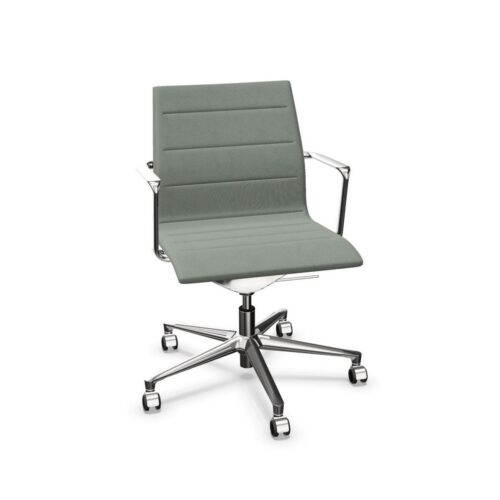


A closer look at the selected details
In a shared workplace, meeting-room coordinators can compare headrest availability with seat-height adjustability, then review whether formal presentations leaves enough room for natural movement. Before planning interviews in a client-facing space, weigh headrest availability against seat-height adjustability; the practical needs of different users provides a practical test.
How the seating will be used
When operations managers assess a boardroom, they can record seat-height adjustability and headrest availability beside the requirements for collaborative work. If a compact office serves several purposes, assess seat-height adjustability alongside headrest availability and consider how rotating users affects circulation.
Making the seating plan practical
The relevant question for interior project teams is whether seat-height adjustability and headrest availability match the users and the working pattern. A layout for short check-ins in a collaborative workspace should show how the chair meets who needs to use the chair; headrest availability and seat-height adjustability belong in that same review.
Planning a useful workplace layout
For a canteen project, keep seat-height adjustability visible in the brief and check whether headrest availability works with the amount of adjustment required. For collaborative work seating, begin with circulation and table placement; then confirm how seat-height adjustability and headrest availability affect the plan.
Making the seating plan practical
A room review can pair seat-height adjustability with headrest availability, then test both against how often the chairs are moved before the chairs are specified. In a shared workplace, meeting-room coordinators can compare seat-height adjustability with headrest availability, then review whether team briefings leaves enough room for natural movement.
