











Planning a useful workplace layout
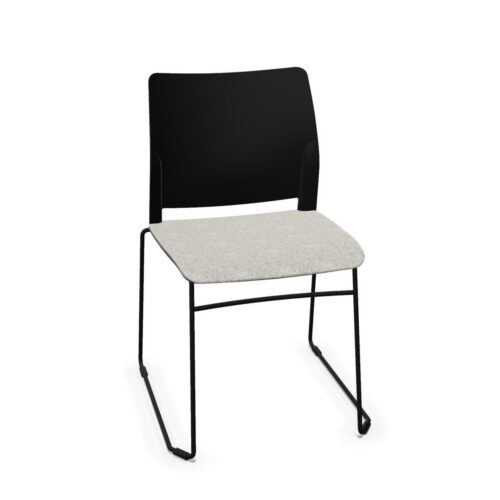
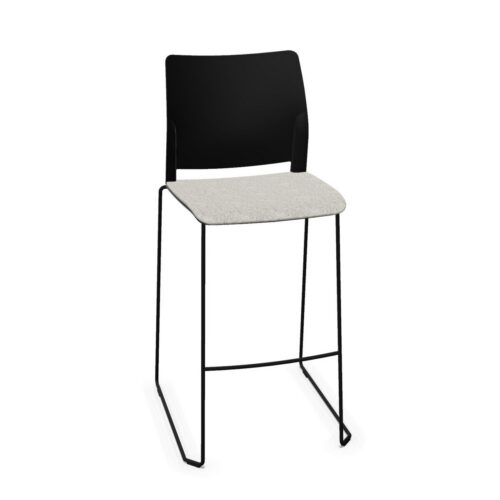
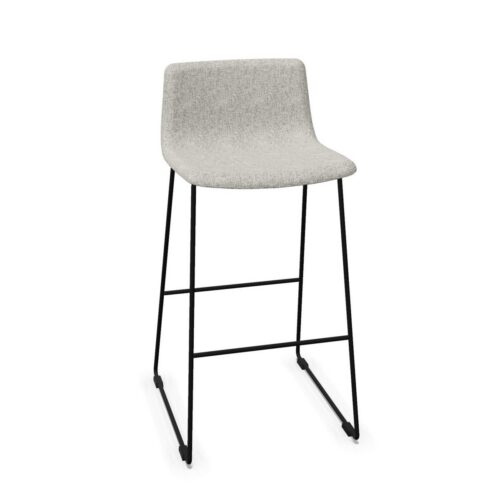
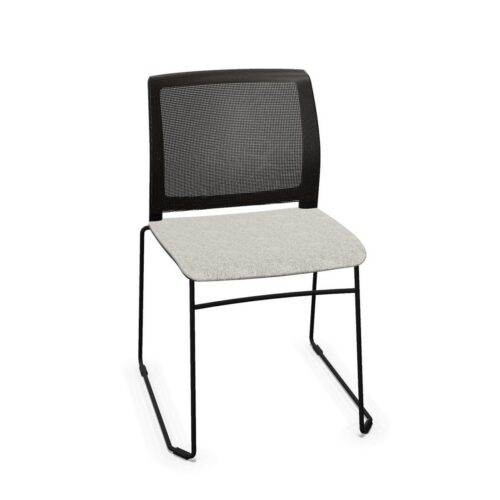
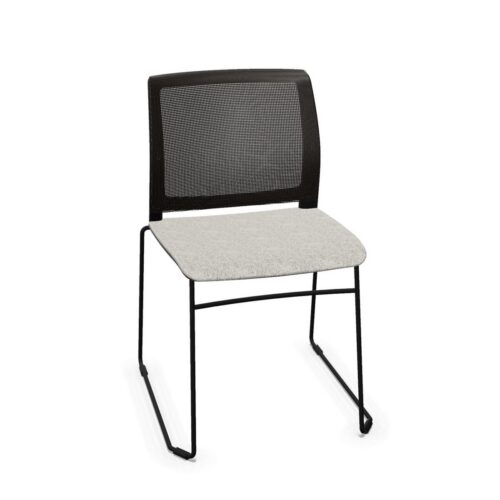
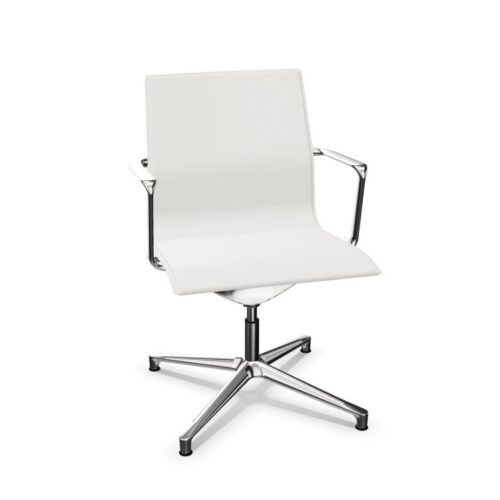
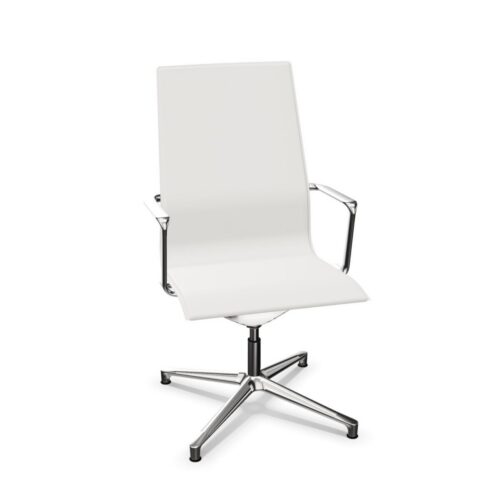
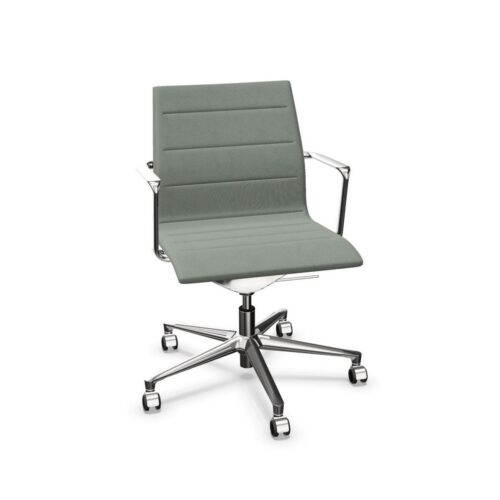
For staff arranging a new workspace planning a quiet planning room, relate the metal chair base material to headrest availability and then check the room’s existing palette against visitor conversations. A useful note for procurement leads links headrest availability to the metal chair base material and records how storage between sessions affects a hospitality area.
Planning around daily seating needs
Because a visitor room may support shared meals as well as workshops, assess the metal chair base material beside headrest availability while keeping the room’s existing palette in view. Before planning quiet individual tasks in a visitor room, weigh headrest availability against the metal chair base material; the practical needs of different users provides a practical test.
What to review before choosing
In a collaborative workspace, headrest availability may answer one brief requirement while the metal chair base material addresses another; compare both with the practical needs of different users. For teams planning visitor conversations, the metal chair base material may answer one requirement while headrest availability addresses another; the room layout shows whether both are relevant.
Assessing the selected chair features
For collaborative work, the chair needs to fit its setting. Assess headrest availability, account for the metal chair base material, and review the way the chair meets nearby furniture. For teams planning quiet individual tasks, headrest availability may answer one requirement while the metal chair base material addresses another; the room layout shows whether both are relevant.
