

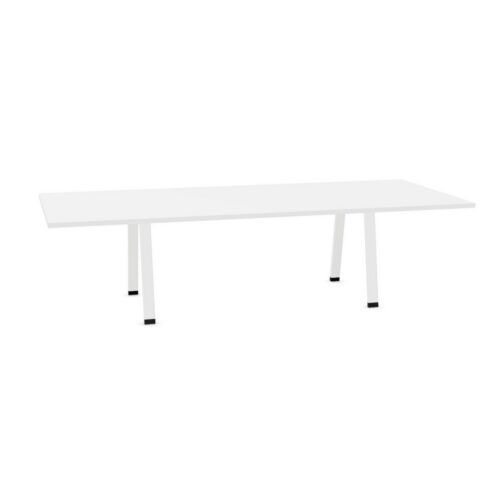
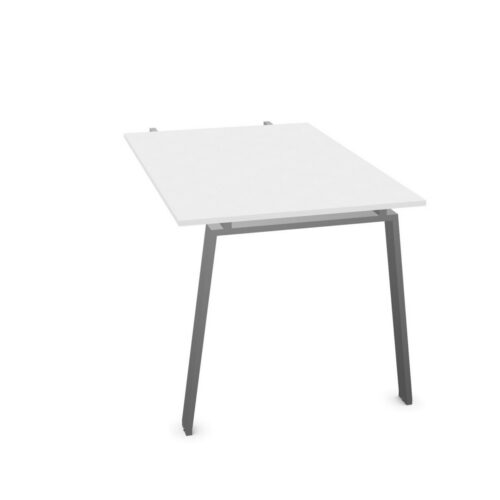
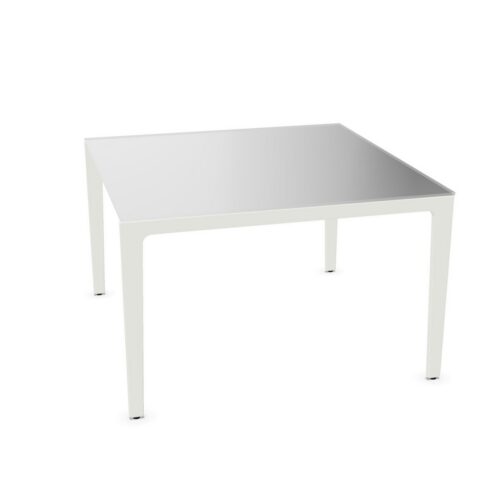
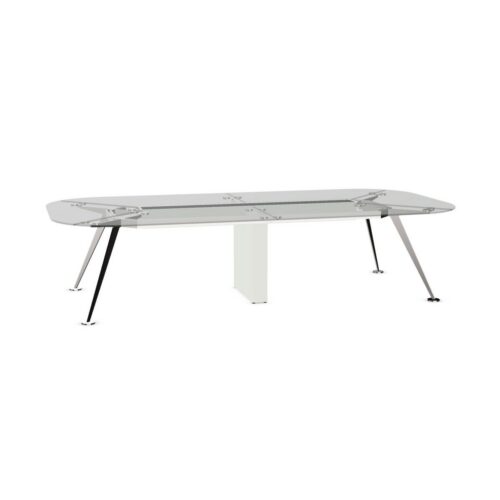
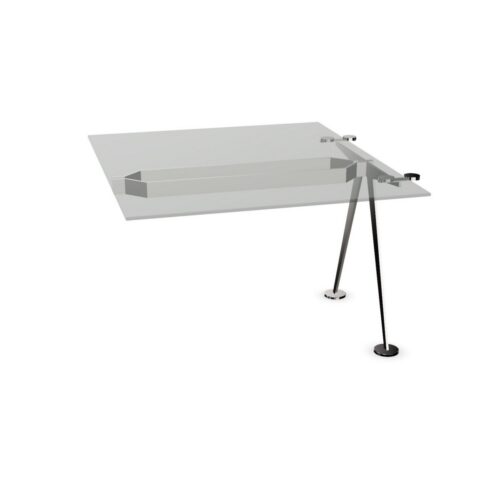
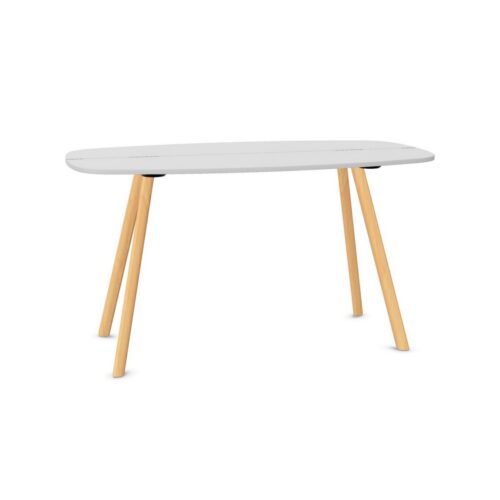
Beige Bases With Cable Organization

Conference tables with beige bases and a cable tray combine a neutral color choice with a defined place for organizing cables. Beige can relate to other restrained room finishes, while the tray addresses part of the practical setup for connected meetings. These features work together most effectively when the area beneath the table is considered as a whole, including the supporting structure, cable routes and the people seated around it. Power provision still needs its own assessment.

Use the room’s meeting habits to guide the arrangement. Think about which devices remain in place, which arrive with participants and how regularly connections change. Then compare the beige base with the surrounding chairs and floor under normal lighting. A coordinated palette and an understandable cable route serve different purposes, so evaluate both. The final position should allow the room to work during a session as well as look coherent between meetings.

€31.41 p/m
2 models
From €10.48 p/m
13 models
From €8.10 p/m
9 models
From €4.82 p/m
8 models
From €8.34 p/m
6 models
From €5.37 p/m
26 models
From €9.74 p/m
2 models
From €27.53 p/m
10 models
From €29.42 p/m
2 models
From €54.57 p/m
2 models
From €33.23 p/m
2 models
From €45.33 p/m
4 models
From €29.79 p/m
2 models
From €25.75 p/m
4 models
From €27.57 p/m
37 models
From €31.24 p/m
19 models
From €11.23 p/m
3 models
From €97.67 p/m
3 models
From €92.77 p/m
23 models
From €13.35 p/m
8 models
From €5.66 p/m

Connecting conference tables with beige bases to the room

Start by locating the outlets that would serve the meeting table. Work through the route from each expected device to the tray and onward to power, paying attention to the main entrance and the approach to chairs. The tray provides a place to organize cables; it does not establish how those cables cross the remaining room. After identifying a workable route, review the beige base against the surrounding finishes from that position. This order keeps color coordination connected to practical placement, rather than allowing an appealing empty-room view to determine an awkward working arrangement.

Compare neutral tones with the equipment in place

Beige may sit alongside several other neutral colors, but the actual relationships need to be judged together. Include the chairs, tabletop and any equipment that regularly remains in the room. Conference tables with beige bases can provide continuity within a restrained palette, while the cable tray gives compatible leads a designated organizing point. Avoid assuming the tray will make all equipment disappear visually. Look at the room from seated positions and from the doorway during a typical setup. This gives a more useful comparison than considering the base color apart from everything used around it.

Review access before assigning regular seats

Where the tray and base sit can influence the most practical cable routes and chair positions. Check how participants reach connections, move their feet and adjust their seats. The fact that a tray is included does not describe its access arrangements or establish unrestricted space below the surface. Consider the person preparing the room as well as those attending the meeting. Equipment should be connectable without unnecessary rearrangement of the seating. If different participants use different sides of the table, review those positions individually instead of assuming that a cable route convenient from one place will suit all others.

Keep permanent and temporary connections understandable

Separate the room's recurring connection needs from the leads people bring occasionally. Decide which cables stay organized in the tray and which leave with their users. With conference tables with beige bases, a clear routine supports the intended restrained appearance without making assumptions about concealment. Leave access for routine disconnection and make sure excess cable is managed away from chair movement. Review the setup whenever meeting equipment changes. A new presentation device or a different pattern of laptop use can alter the route needed between the tabletop, tray and outlet, even though the furniture remains in the same position.

Frequently asked questions

Does a neutral base reduce the need for cable planning?

No. Beige concerns the base's appearance. Cable routes still need to account for devices, the tray, available outlets and the people moving around the table.

What does the cable tray tell me about power?

It confirms a cable-organizing feature, not built-in power. Assess outlet access and the connections required for your meetings independently before finalizing the room arrangement.

How can the room retain a coordinated appearance?

Compare conference tables with beige bases alongside chairs and regular equipment. Coordinate actual tones and establish a routine for removing temporary cables after each session.

Explore related selections