



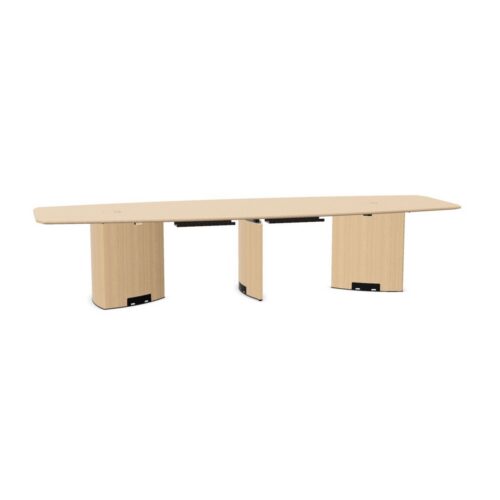




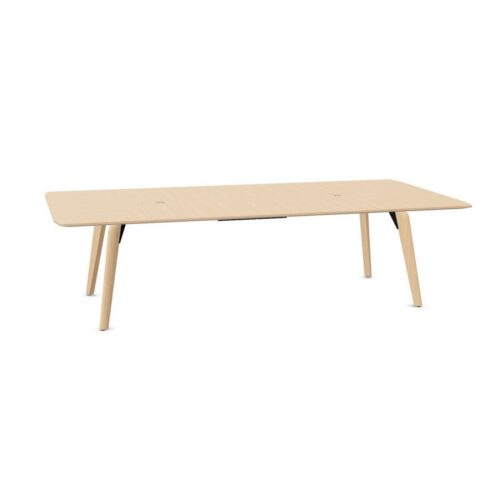
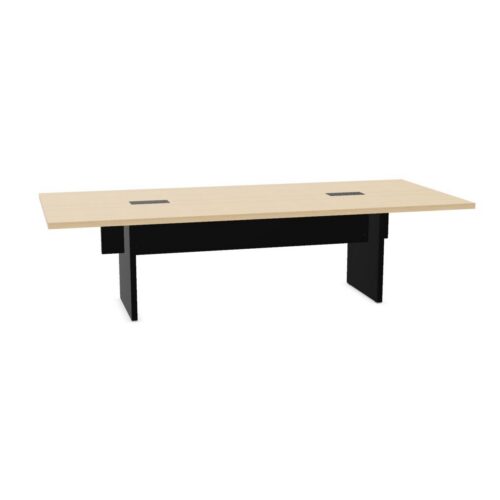

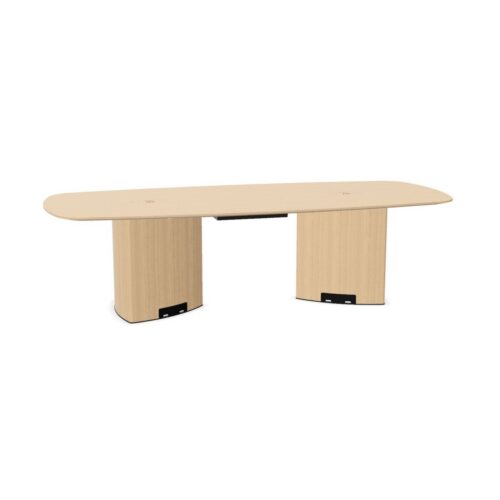
Position Conference Tables With Red Bases in the Room Scheme
Decide what the red base is intended to connect with before arranging the wider room around it. It may repeat an existing accent or introduce a separate color beneath the meeting surface. Compare it with the floor and chair frames, which are seen beside the supports from many viewpoints. A matching room scheme is optional; a clear relationship is more useful than repetition for its own sake. Include the expected cable arrangement in this assessment. Without a tray, leads used during meetings need another planned route, and their visibility may affect how the red base reads within the complete furniture arrangement.
Distinguish Occasional Leads From Everyday Connections
A room used mainly for discussion can still need cables for particular sessions. Identify whether those connections are genuinely occasional or have become part of everyday use. Conference tables with red bases without a tray should be assessed against that pattern rather than the room's original purpose. Follow the route a lead would take from its connection point to the person using it. Consider whether preparing that route interrupts access to seats or involves moving equipment during the meeting. A consistent arrangement for occasional use is more practical than leaving every presenter to discover a different path through the room.
