

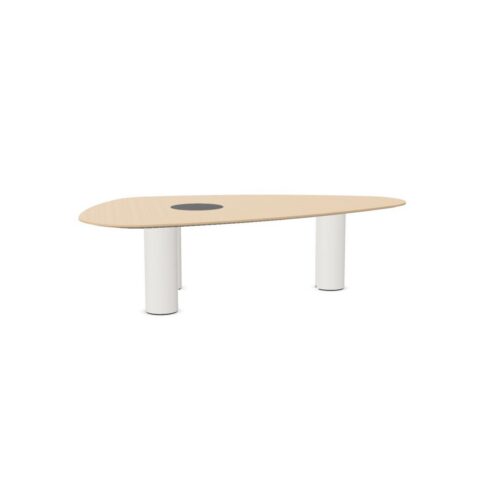
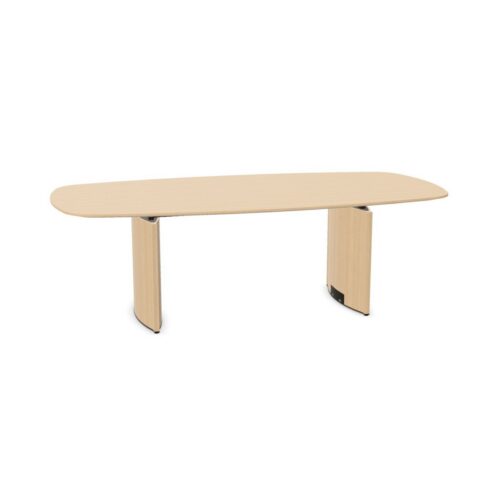
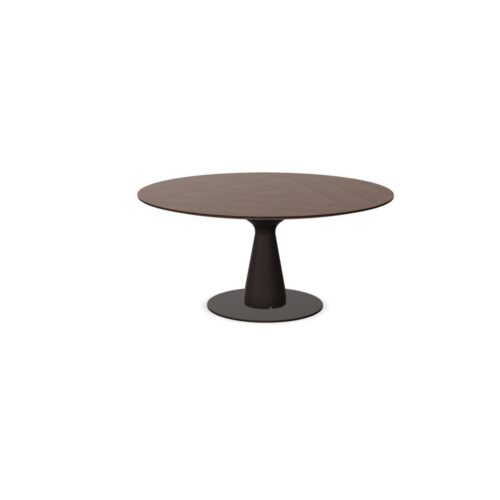
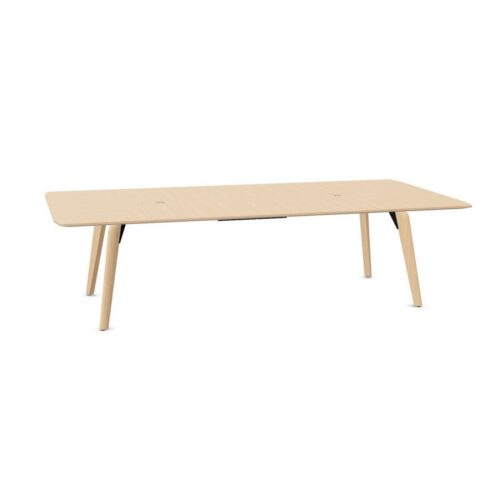
Red Conference Tables Without Cable Trays

Conference tables with red surfaces and no cable tray combine a definite tabletop color with a separate approach to cable organization. Red may repeat a color already present in the interior or become the meeting area’s main colored element. With no tray, any leads needed for laptops or presentation equipment require a route planned around the room and its users.

Assess the combination through typical meeting scenarios. A conversation may need no table connections, while a presentation can introduce cables between the room’s connection points and a specific seat. Work through both before fixing the layout. Compare the actual red with nearby walls and chairs, including the view toward the presentation area. The surface color does not identify a material or finish, and the absence of a tray does not establish any other table features. Keep those questions separate from the visual and routing decisions.

11 models
From €21.26 p/m
4 models
From €13.30 p/m
11 models
From €8.94 p/m
3 models
From €30.93 p/m
2 models
From €2.13 p/m
8 models
From €12.16 p/m
8 models
From €30.83 p/m
7 models
From €21.96 p/m
30 models
From €16.42 p/m
6 models
From €11.54 p/m
3 models
From €90.74 p/m
5 models
From €17.16 p/m
3 models
From €7.87 p/m
5 models
From €25.05 p/m
2 models
From €22.65 p/m
4 models
From €50.98 p/m
2 models
From €44.55 p/m
2 models
From €42.78 p/m
2 models
From €105.43 p/m
2 models
From €147.37 p/m
2 models
From €86.05 p/m
3 models
From €54.41 p/m
2 models
From €86.72 p/m
€13.94 p/m

Placing Conference Tables With Red Surfaces

Decide how prominent the red tabletop should be within the room. If it is the main colored element, nearby furnishings can provide a different visual role rather than repeating it everywhere. If red already appears on walls or seating, compare the actual tones and their relationship from the usual meeting positions. The view from the entrance is useful, but it should not be the only test. Participants experience the table alongside documents, devices, and surrounding chairs. Include those everyday elements when judging placement, then check whether any required cable route works with the preferred orientation and the room's normal circulation.

Resolve the Presenter's Connection Route

Where presentations are part of the routine, identify the likely equipment position early. Consider the view of the presentation area and the connection needed to operate it. With no cable tray, decide separately how the lead travels from the room connection point to the device. Check the full route, including its approach to the table and any space behind occupied chairs. A convenient presenter position can still create an inconvenient crossing for others. If that happens, reconsider the device location or table orientation. Avoid allowing an occasional presentation to introduce a cable path that cuts across the main way into the room.

Let the Surface Remain a Working Area

Conference tables with red surfaces do not need additional red accessories to establish their color within the meeting room. Consider whether documents, shared devices, and personal items already occupy the areas people need during discussions. Place room equipment deliberately rather than leaving it wherever its cable happens to reach. For sessions without connected devices, return portable leads to their agreed location. This lets the room move between different activities without carrying an improvised setup into every meeting. Any surface-care requirements must be established separately, since red identifies color and does not reveal a coating, texture, or appropriate maintenance method.

Check Arrival, Movement, and Departure

Walk through a meeting from the participants' perspective. Someone enters, chooses a seat, places belongings nearby, and may later step away while others remain. Consider how the cable arrangement would interact with each action. The absence of a tray makes it especially useful to agree on a consistent approach for connected sessions rather than relying on each group to invent one. Assess the room again after normal use to see where leads and equipment actually end up. Changes to the equipment position or reset routine may solve practical problems without altering the intended color relationship between the red tabletop and its surroundings.

Frequently Asked Questions

Must red be repeated elsewhere in the room?

No. A red tabletop can be the main colored element or part of a repeated palette. Compare it with neighboring furniture and walls, then decide which relationship suits the room. Matching color names alone does not establish a visual match.

Can these tables support occasional presentation sessions?

Conference tables with red surfaces and no cable tray can be considered when presentation connections are planned separately. Check the device position, sightlines, and complete cable route together. The room arrangement needs to account for each of those requirements.

Where should portable cables go after a meeting?

Return them to an agreed location suited to the room's equipment routine. Avoid leaving unused leads across the tabletop or beside chairs. A consistent reset makes the next session easier to arrange without assuming that every meeting needs the same connections.

Explore related selections