



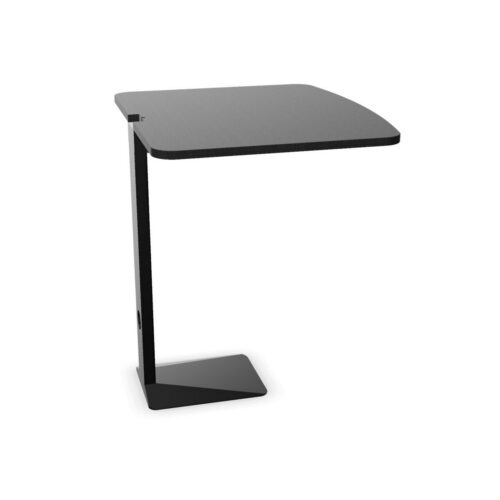


Conference Tables With Grey Surfaces Without a Cable Tray
Start by distinguishing the room's regular activities. A discussion centered on shared documents creates different connection needs from a session where participants repeatedly plug in equipment. The absence of a cable tray makes those habits relevant to table placement and preparation.
Identify where necessary connections originate and how leads would reach the people using them. Check the route around occupied chairs, including the movement of someone entering or leaving during a meeting. Do not infer a different cable-management feature from the gray surface or from the lack of a tray. Assess any alternative arrangement separately within the complete room plan.
Compare Gray With Existing Room Tones
Conference tables with grey surfaces can sit within many room palettes, but the actual shade matters. Compare it directly with neighboring gray furniture rather than assuming the colors will match. Differences may be noticeable when the pieces share the same view.
Review the combination under the lighting normally used for meetings. Include the wall behind seated participants and the chairs seen across the tabletop. Decide whether the surface should blend with those elements or introduce a clear distinction. The color description alone does not establish sheen, texture or undertone, so base the visual relationship on the actual appearance instead of a presumed neutral effect.
