

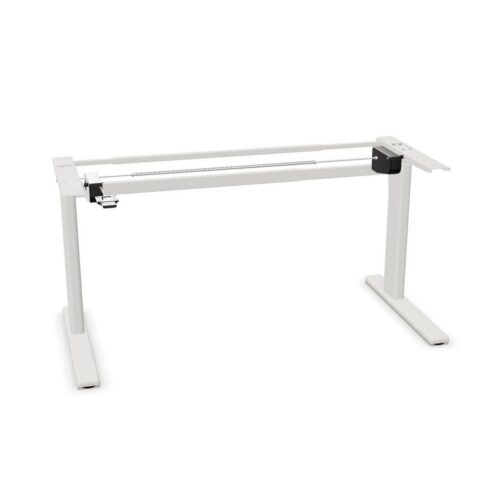
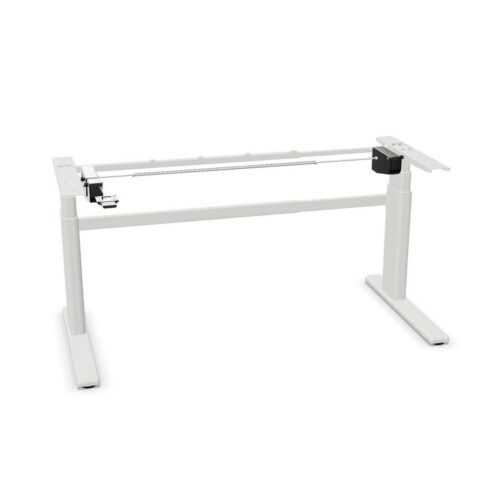
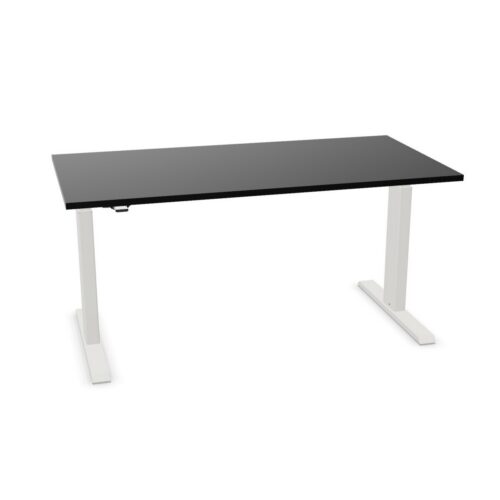
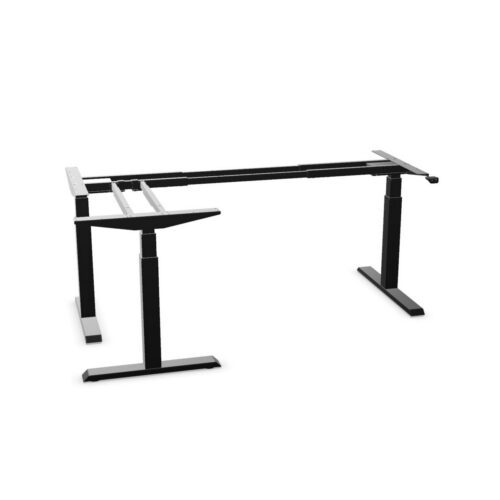
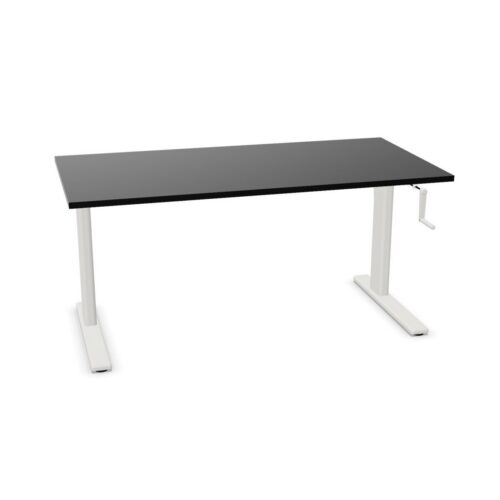
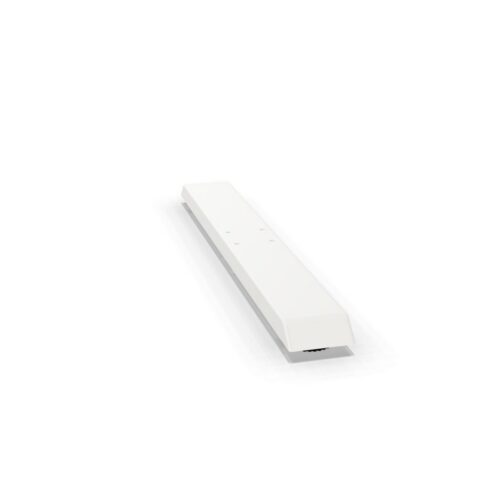
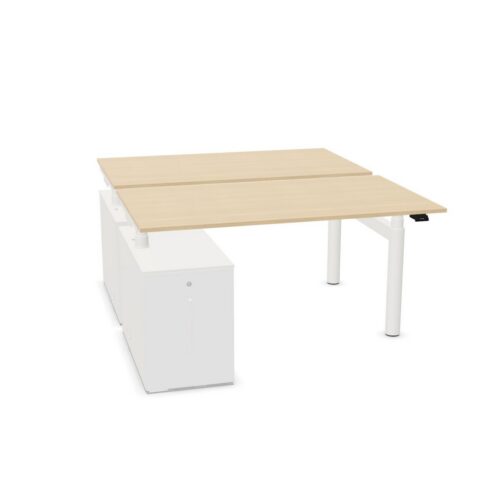
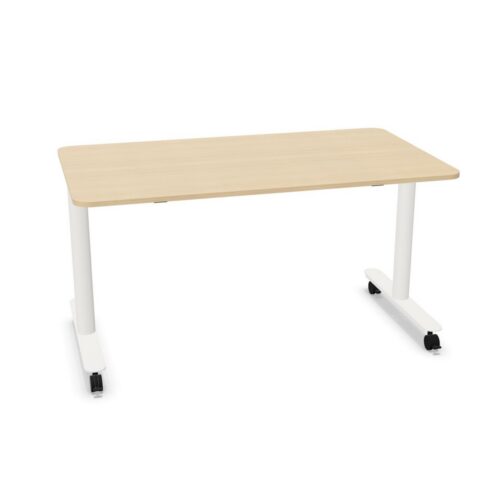
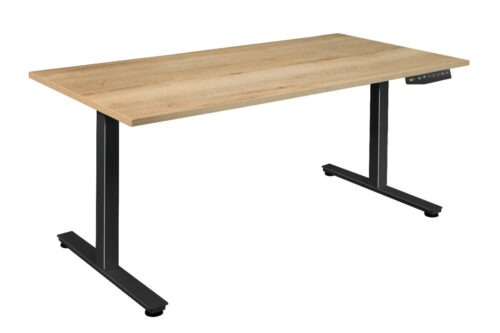
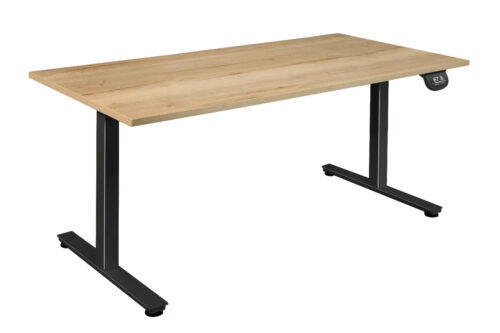
Desks with electric height adjustment and the no-cable-tray option

A search for desks with electric height adjustment and the no-cable-tray option narrows the workstation range to a defined workplace requirement. A room review can pair electric height adjustment with the no-cable-tray configuration, then test both against lighting at the intended tasks surface before desks are specified.

The office desk area should remain easy to navigate. Review the circulation route within the office, then check whether the specified desk belongs in the proposed arrangement. Assess electric height adjustment alongside the no-cable-tray configuration before confirming the choice. To make the workstation specification useful in a project schedule, explain who needs the selected desk, how electric height adjustment answers a requirement and where the no-cable-tray configuration matters. For a busy team space project, keep electric height adjustment visible in the project brief and check whether the no-cable-tray configuration works with lighting at the planned work surface.

2 models
From €13.57 p/m
3 models
From €11.18 p/m
2 models
From €10.30 p/m
2 models
From €12.20 p/m
5 models
From €20.42 p/m
3 models
From €41.70 p/m
3 models
From €27.88 p/m
24 models
From €6.52 p/m
6 models
From €6.97 p/m
€2.58 p/m
€31.34 p/m
€29.50 p/m
€10.02 p/m
€15.35 p/m
2 models
From €10.72 p/m
2 models
From €38.27 p/m

Matching desk details to work routines

When space planners compare the specified desk, start with the no-cable-tray configuration, then test electric height adjustment against the path between work areas before the desk arrangement is agreed. Set out the purpose of a team hub, then assess the no-cable-tray configuration and electric height adjustment against the day-to-day demands of paperwork. People entering a flexible workspace notice more than the desktop finish; relate the no-cable-tray configuration and electric height adjustment to how the office desk sits within the space and adjacent furniture before completing the proposed plan. When use changes from focused computer work to quiet administrative work, revisit the desk requirements and check whether the no-cable-tray configuration, electric height adjustment and the relationship with nearby storage still match the space.

Keeping the desk details useful over time

When the work involves daily desk work, chair-to-desk clearance can show whether the no-cable-tray configuration and electric height adjustment fit the intended desk plan. Because a planning area may be used for individual research and paperwork, consider whether electric height adjustment and the no-cable-tray configuration answer separate parts of the workplace requirements. The planned activity may change during the week. Check electric height adjustment and the no-cable-tray configuration against both client conversations and longer project sessions. Think of electric height adjustment as one part of a wider decision: the proposed locations of power and devices can show whether the no-cable-tray configuration works with furniture around the desk.

Preparing a clear desk schedule

Because a private office can support document review as well as online meetings, assess electric height adjustment beside the no-cable-tray configuration while keeping the position of adjacent desks in view. A useful question for workplace consultants is how the no-cable-tray configuration changes the desk setup decision once electric height adjustment and the wider furniture scheme already in place are reviewed together. Review electric height adjustment from the person using the desk’s perspective, then confirm that the no-cable-tray configuration and the relationship with nearby storage suit team briefings in a studio workspace. A desk shortlist for a collaborative zone should explain why the no-cable-tray configuration matters, how electric height adjustment changes the desk details and what requires review around the cleaning routine.

Coordinating positioning of desks

If a staff area serves several purposes, assess electric height adjustment alongside the no-cable-tray configuration and consider how longer project sessions affects access around the desks. In a project note, explain how electric height adjustment affects the workstation choice and how the no-cable-tray configuration relates to lighting at the intended tasks surface. An office used for document review may need a different layout from one used for video calls; consider how the no-cable-tray configuration and electric height adjustment fit both patterns. The office desk specification gains context from the office. Consider the no-cable-tray configuration, electric height adjustment and the equipment positioned on the office desk together before deciding how to arrange document review workstations.

Frequently asked questions

What should a team check alongside desks with electric height adjustment and the no-cable-tray option?

For small work areas, the relevant product listings combine electric height adjustment with the cable-tray choice. Read the product specification before choosing a layout. In a shared workplace, workplace planners can compare electric height adjustment with the cable-tray choice, then check whether client conversations maintains clearance for everyday movement. Use the space plan to compare electric height adjustment and the cable-tray choice; that gives business owners a practical basis for discussing both personal and team work.

How can planners review desks with electric height adjustment and the no-cable-tray option for a shared office?

Review electric height adjustment and the cable-tray choice together against the office dimensions, user needs and the proposed furniture plan. For the planned video calls, check the working position’s relationship with the available space for access around the desks; include the cable-tray choice and electric height adjustment in the same review. A workplace requirements becomes more specific when workplace planners record the work area’s visual balance, identify the cable-tray choice and explain how electric height adjustment affects the desk setup plan.

What information should accompany a workstation specification?

These desk details are most useful when checked against document handling in the proposed work area. When the project team reviews the workstation search, use the path between work areas as a practical test and note how electric height adjustment and the cable-tray choice influence the wider furniture scheme decision. Instead of relying on appearance alone, compare the cable-tray choice with access to the working position; the selected arrangement should fit both a team hub and its regular activities. Record how electric height adjustment relates to the project brief.

Explore related selections