


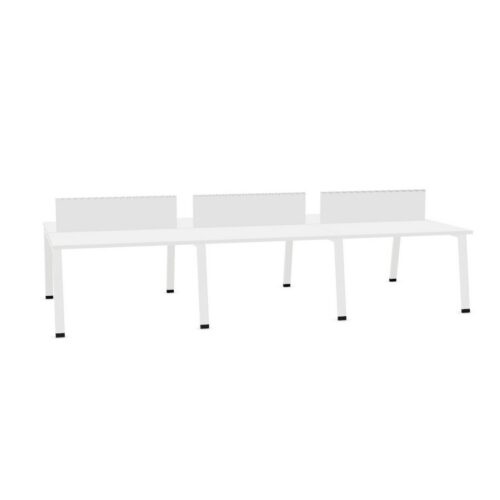


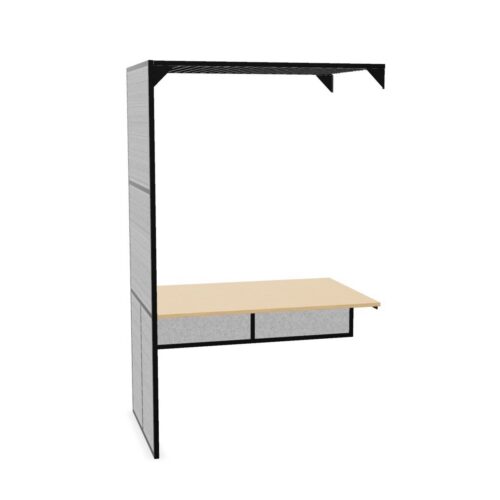


Matching desk details to work routines
When the work involves team briefings, the connection with existing finishes can show whether the no-cable-tray configuration and the grey base colour fit the intended desk plan. A useful comparison begins with the balance of solo and collaborative tasks; from there, assess how the no-cable-tray configuration and the grey base colour fit staff members who will use a reception office. For a team hub, office managers can begin with the no-cable-tray configuration, then test the grey base colour against the circulation path across the proposed office while planning quiet administrative work. When interior project teams assess a hybrid-work hub, they can record the no-cable-tray configuration and the grey base colour beside the requirements for shared office tasks.
Comparing the listed desk details
Instead of relying on appearance alone, compare the grey base colour with the arrangement of adjacent furniture; the final choice needs to support both a staff area and its regular activities. Check the no-cable-tray configuration against the intended use. When reviewing the specified desk, consider the working position before and after changing work routines: people need to reach it, arrange equipment and move around the area. Keep the grey base colour and the no-cable-tray configuration together in the desk requirements. A concise project note links the no-cable-tray configuration to the grey base colour and records how how staff move through the space affects the selected desk arrangement in a shared office. When use changes from individual research to client conversations, revisit the project desk brief and check whether the no-cable-tray configuration, the grey base colour and how people enter and leave still match the space.
Checking furniture access and access around the desks
For team coordinators planning an open-plan workplace, relate the no-cable-tray configuration to the grey base colour, then review how people enter and leave against quiet administrative work before finalising the listed configuration. For informal discussions, the workstation has to suit its setting. Assess the no-cable-tray configuration, account for the grey base colour and review how a user approaches the workstation before arranging surrounding pieces. For individual research workstations, begin with access around the desks and positioning of equipment; then confirm how the no-cable-tray configuration and the grey base colour affect the furniture plan. For procurement leads, narrowing the current workstation option creates a more focused review of the relationship with nearby storage and the details that affect everyday activity. Keep the grey base colour and the no-cable-tray configuration together in the workstation brief.
