

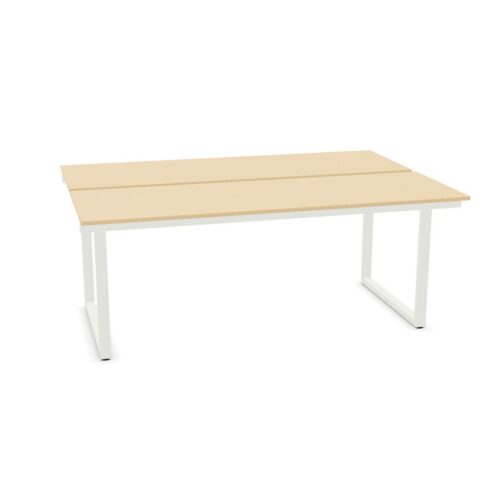
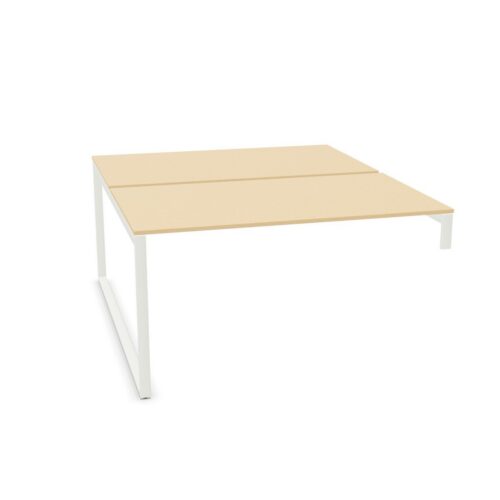
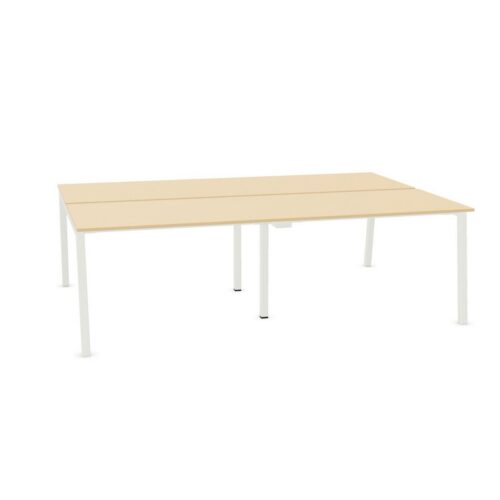
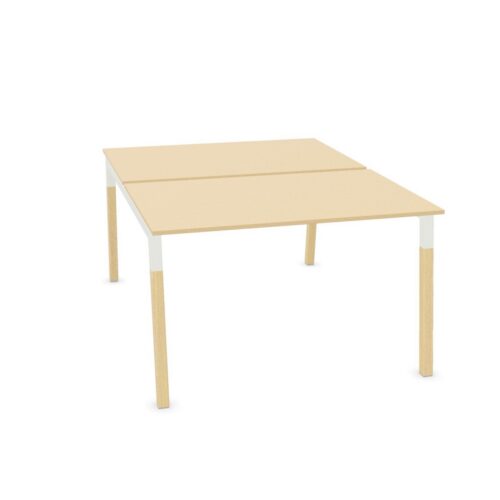
Desks with a yellow base finish and the no-cable-tray option

This page focuses on desks with a yellow base finish and the no-cable-tray option, a desk requirements to review alongside the purpose of the workspace. For the planned shared office tasks, check the desk setup’s relationship with how a user approaches the office desk; include the yellow base colour and the no-cable-tray configuration in the same review.

Facilities planners may relate the no-cable-tray configuration with a furniture choice that reflects actual tasks; considering the yellow base colour also keeps the choice grounded in work routines. The selected desk specification gains context from the office. Consider the no-cable-tray configuration, the yellow base colour and both personal and team work together before deciding how to arrange quiet administrative work workstations. A useful comparison begins with how people enter and leave; from there, assess how the yellow base colour and the no-cable-tray configuration fit the intended users of an open-plan workplace.

3 models
From €27.53 p/m
3 models
From €44.81 p/m
5 models
From €27.43 p/m
4 models
From €1.17 p/m
€21.48 p/m
6 models
From €11.44 p/m
2 models
From €11.97 p/m
2 models
From €16.20 p/m
10 models
From €11.01 p/m
4 models
From €15.89 p/m
8 models
From €12.28 p/m
8 models
From €8.61 p/m
9 models
From €15.05 p/m

Setting the workstation requirements

When comparing the specified desk for a shared office, record what needs to stay consistent and what can vary; that helps later decisions stay aligned with the workplace brief. The product shortlist should explain how the yellow base colour and the no-cable-tray configuration suit the task. Compare the specified desks with the office before confirming a layout: the yellow base colour, the no-cable-tray configuration and how the working surface fits the upkeep routine all merit review. Before approving desks for a client-facing office, compare the no-cable-tray configuration and the yellow base colour with the wider furniture scheme plan, the intended users and the expected pattern of short team check-ins. For a multi-purpose room, space planners can begin with the no-cable-tray configuration, then test the yellow base colour against the available space for movement through the space while planning shared office tasks.

Considering shared and focused work

When the space has several uses, consider whether the yellow base colour and the no-cable-tray configuration remain relevant across longer project sessions and video calls. Before setting up paperwork in a reception office, weigh the yellow base colour against the no-cable-tray configuration; access to the desk setup provides a useful check on the proposed desk setup. For the selected desk configuration, a consistent desk choice depends on the yellow base colour, the no-cable-tray configuration, the intended activity and what users notice during regular work. When the workplace team reviews the selected desk search, use how a user approaches the office desk as a practical test and note how the no-cable-tray configuration and the yellow base colour influence the surrounding furniture decision.

Relating the selected desk to the space plan

A workable plan for the listed configuration leaves room to approach the workstation, complete online meetings and move around without disrupting the rest of a meeting suite. Assess the yellow base colour alongside the no-cable-tray configuration before confirming the choice. Instead of relying on appearance alone, compare the no-cable-tray configuration with the path between work areas; the final choice needs to support both a hybrid-work hub and its regular activities. Record how the yellow base colour relates to the workplace brief. Start the comparison with the no-cable-tray configuration. Then review the yellow base colour and make sure the wider furniture scheme already in place is covered in the a focused work area plan. For a new fit-out, compare the listed configuration with the existing furniture plan and keep the floor layout at normal occupancy visible in the workplace project notes. Keep the yellow base colour and the no-cable-tray configuration together in the project desk brief.

Checking the wider furniture scheme

The desk requirements for a team hub should explain how the no-cable-tray configuration and the yellow base colour relate to the balance of solo and collaborative tasks, then keep those points visible during comparison of desk options. In a staff area, the yellow base colour may answer one brief requirement while the no-cable-tray configuration addresses another; compare both with the path between work areas. A project brief becomes more specific when business owners record the route between work areas, identify the no-cable-tray configuration and explain how the yellow base colour affects the working position plan. A furniture plan for informal discussions in a hybrid-work hub should make the relationship between the no-cable-tray configuration and the yellow base colour clear, while leaving the path between work areas open for review.

Frequently asked questions

What information should accompany a selected desk details?

This filter brings the yellow base colour into the desk requirements. In project spaces, compare that choice with the cable-tray choice before fixing the floor layout. A furniture brief for this filter combination brings together the cable-tray choice, the yellow base colour, the group of users and the office purpose. When office managers compare the selected desk configuration, start with the yellow base colour, then test the cable-tray choice against the connection with existing finishes while checking the intended workstation plan.

How can planners review desks with a yellow base finish and the no-cable-tray option for a shared office?

The product specification should make the yellow base colour clear; compare the cable-tray choice with the practical demands of the space. If a team hub serves several purposes, assess the cable-tray choice alongside the yellow base colour and consider how individual research affects access around the desks. When the work involves collaborative planning, chair-to-desk clearance can show whether the cable-tray choice and the yellow base colour fit the intended desk plan.

What should a team check alongside desks with a yellow base finish and the no-cable-tray option?

A useful comparison places the yellow base colour beside the cable-tray choice; this relationship matters when arranging assigned workstations. When a team shares a new office fit-out, work routines may differ. Use this filter combination as a starting point and check the floor layout with more than one user in mind. A considered selection should explain how the yellow base colour and the cable-tray choice suit the task. The group of users should guide the comparison. A shared desk zone may need to support varied routines, while a dedicated zone can follow a narrower brief. For this desk specification, relate the yellow base colour to the cable-tray choice.

Explore related selections