



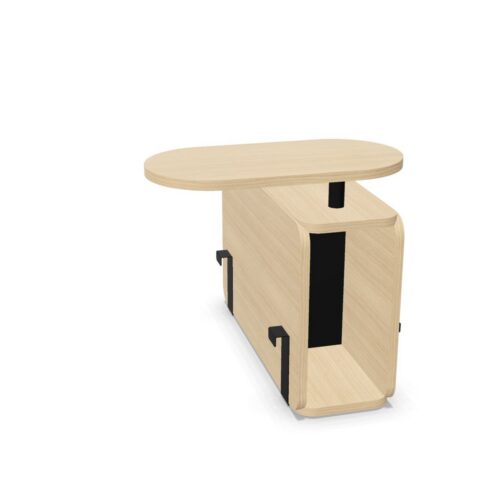


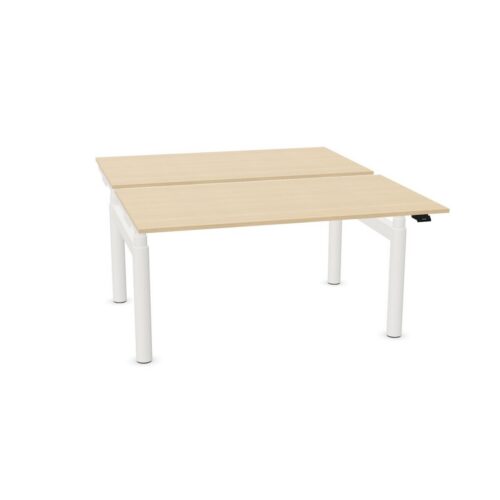
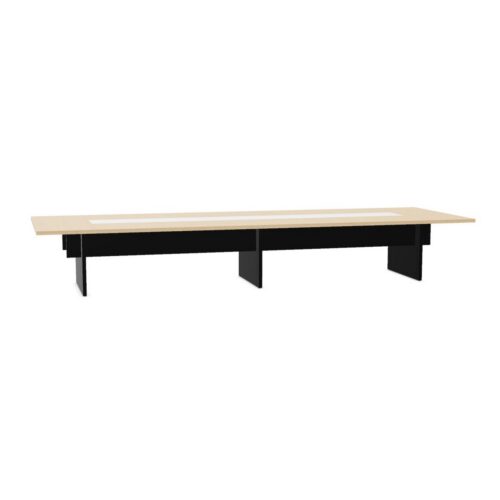
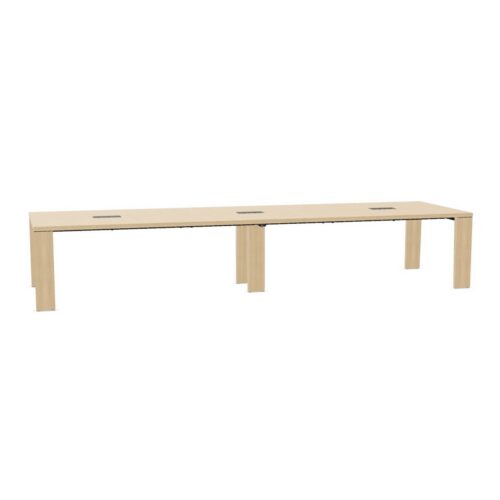




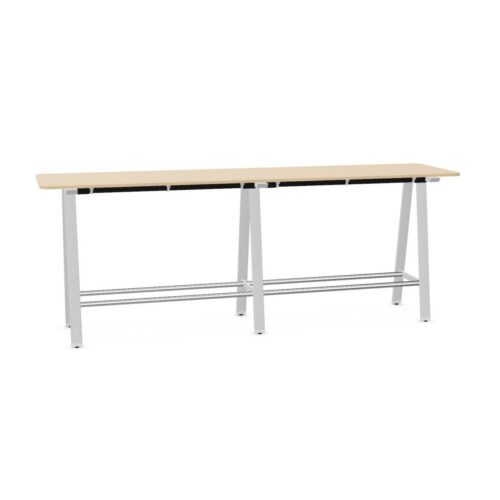
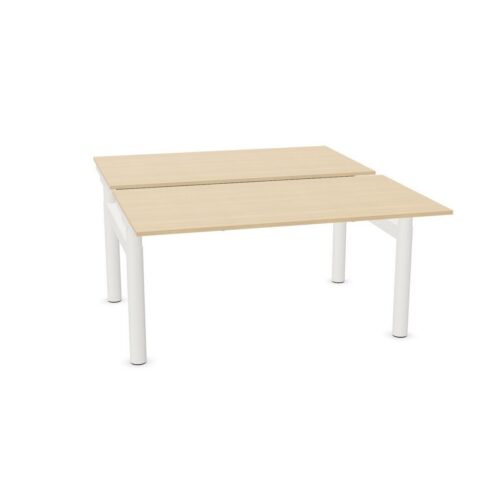
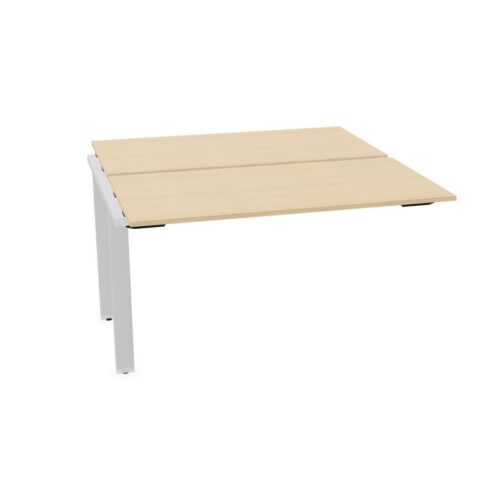
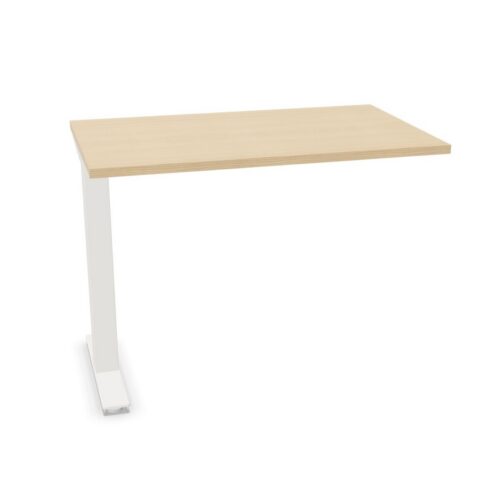
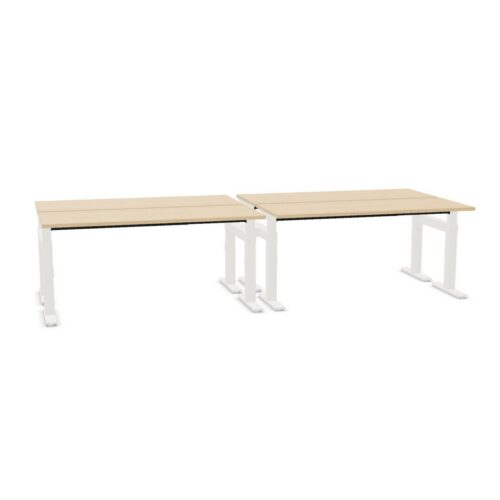
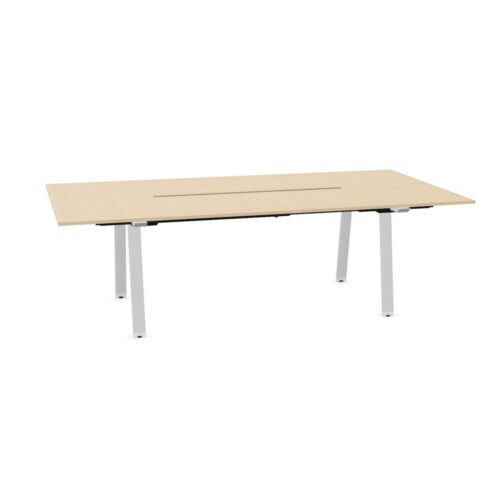


Comparing the listed desk details
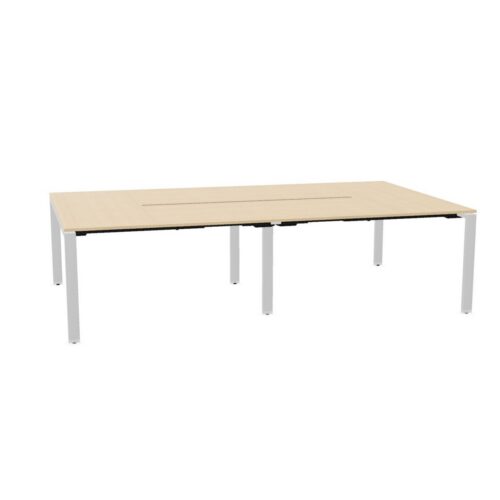
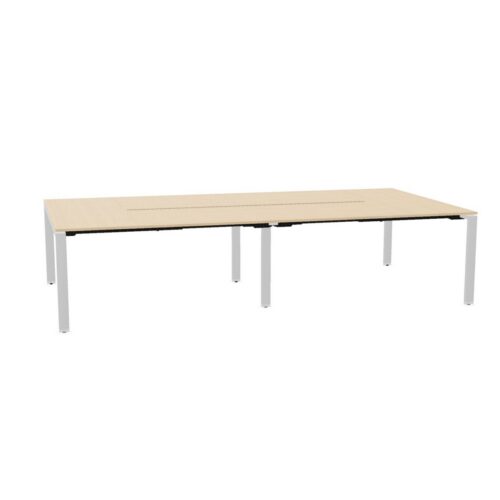
Before confirming a desk arrangement, view the planned work area from the approach route and the seated position; either perspective may reveal a planning issue. Assess the metal base material alongside the no-cable-tray configuration before confirming the choice. A desk shortlist for a staff area should explain why the no-cable-tray configuration matters, how the metal base material changes the product specification and what calls for a closer look around the planned equipment for the workstation. A workplace review can link the no-cable-tray configuration with the relationship with adjacent desks; considering the metal base material also keeps the selection grounded in day-to-day tasks. For a multi-purpose room, space planners can begin with the no-cable-tray configuration, then test the metal base material against the arrangement of adjacent furniture while planning client conversations.
Checking the wider furniture scheme
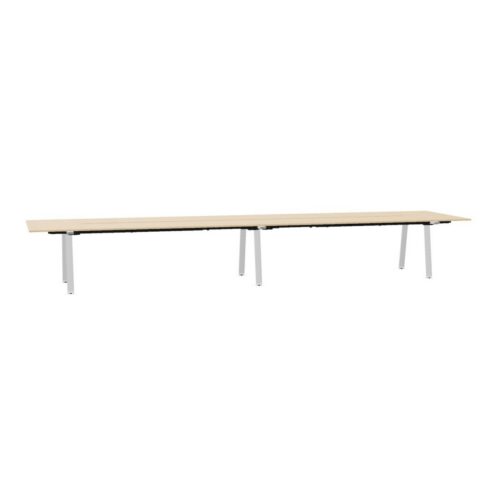
Before the listed configuration is added to the schedule, confirm the listed configuration and relate it to the metal base material, the planned furniture plan and room access. Check the no-cable-tray configuration against the intended use. When buyers comparing desk needs compare the selected desk search, start with the no-cable-tray configuration, then test the metal base material against how a user approaches the workstation while checking the intended workstation plan. A furniture plan for shared office tasks in a meeting suite should make the relationship between the metal base material and the no-cable-tray configuration clear, while leaving enough room to move around open for review. Use the space plan to compare the no-cable-tray configuration and the metal base material; that gives facilities teams a practical basis for discussing the relationship with nearby storage.
Reviewing the working position specification
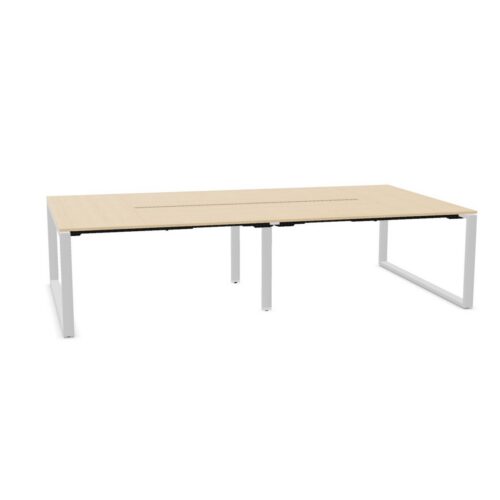
A short comparison note can show how the metal base material and the no-cable-tray configuration answer different requirements within the same workspace. A plan for shared office tasks is clearer when design teams connect the metal base material and the no-cable-tray configuration to staff members using a shared office. The space brief for a reception office can record the metal base material, the no-cable-tray configuration and the volume of equipment near the office desk together, giving colleagues a concrete basis for comparison. In a private office, the metal base material may answer one brief requirement while the no-cable-tray configuration addresses another; compare both with how a user approaches the office desk.
