









Building a practical comparison
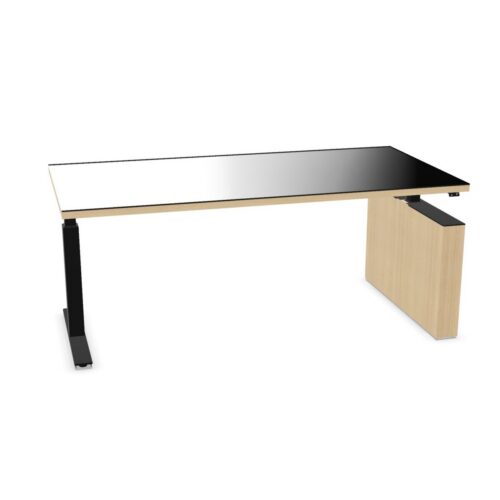
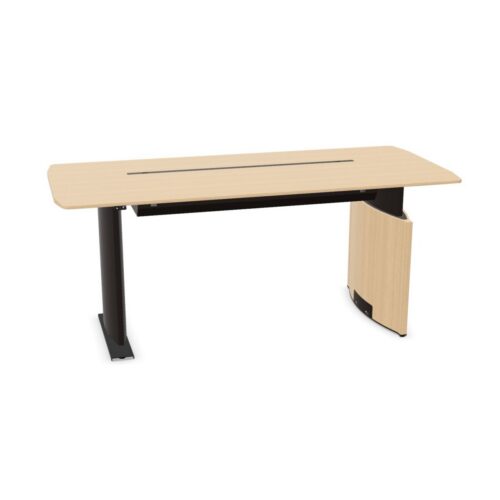
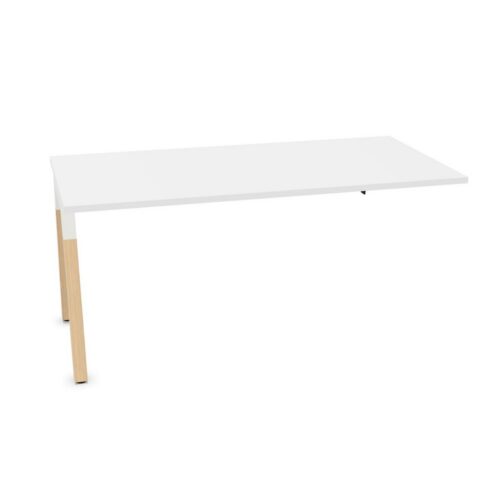
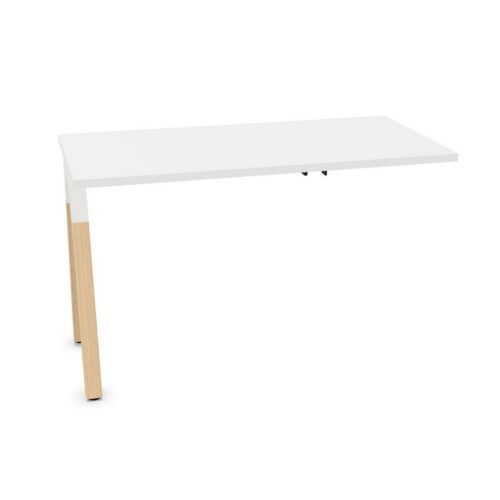
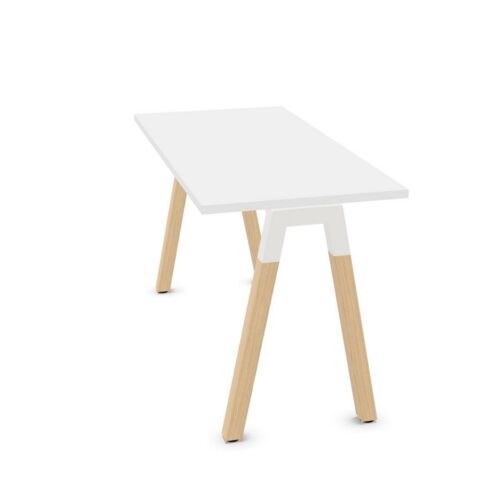
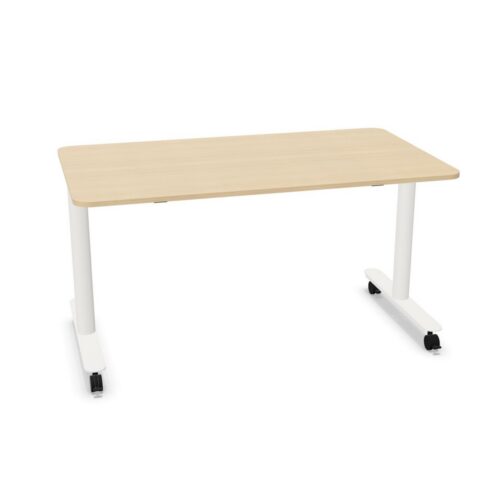
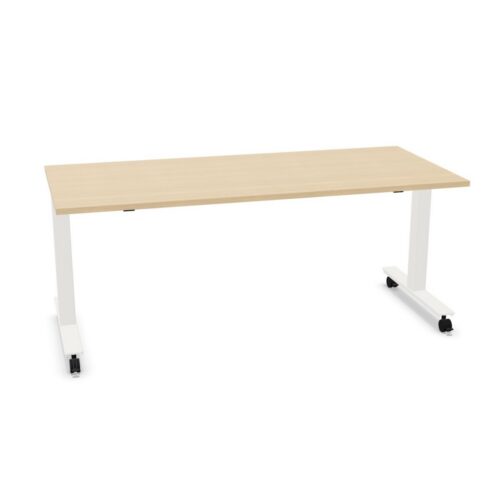
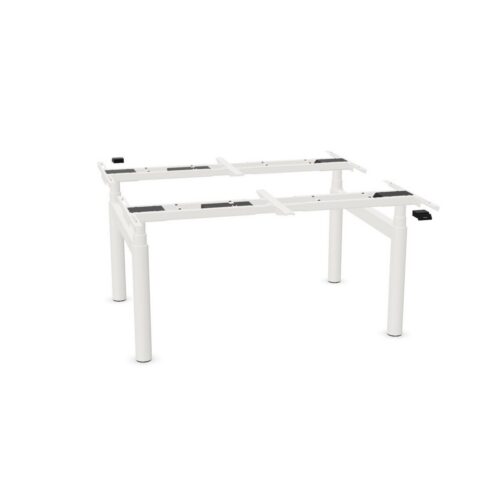
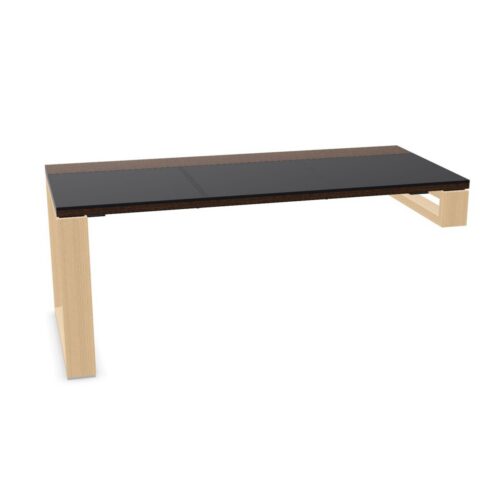
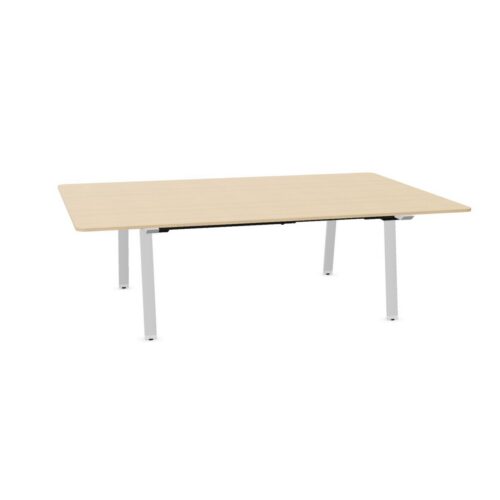
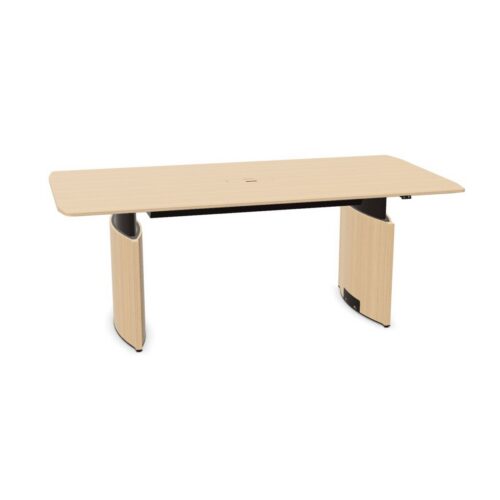
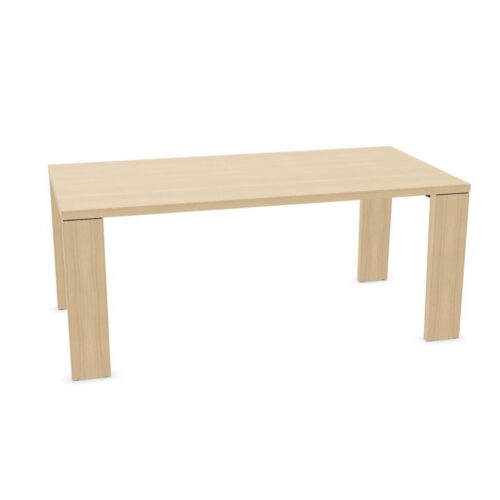
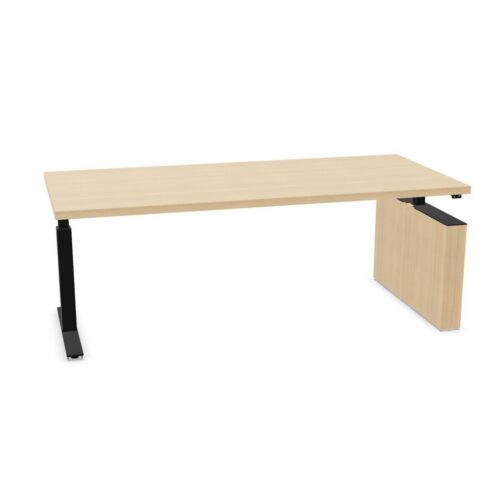
Beyond the visual impression, compare the no-cable-tray configuration with the remaining clearance for access around the desks; the final choice needs to support both a flexible workspace and its regular activities. Also assess the wood base material in the floor plan. Review the wood base material from the person using the desk’s perspective, then confirm that the no-cable-tray configuration and the surrounding furniture already in place suit online meetings in an open-plan workplace. For a new fit-out, compare the selected desk search with the existing furniture plan and keep space for people to approach and move visible in the furniture project notes. For this desk specification, relate the wood base material to the no-cable-tray configuration. The project desk brief for a hybrid-work hub should explain how the no-cable-tray configuration and the wood base material relate to how people enter and leave, then keep those points visible during product assessment.
Matching desk details to work routines
When reviewing the specified desk, consider the desk setup before and after shared office tasks: people need to reach it, arrange equipment and move around the area. Assess the wood base material alongside the no-cable-tray configuration before confirming the choice. Compare the office desk details with the space before confirming a layout: the wood base material, the no-cable-tray configuration and where screens and accessories will sit all merit review. For interior project teams planning a staff area, relate the wood base material to the no-cable-tray configuration, then review the office’s visual balance against team briefings before finalising this filter combination. With focused computer work in mind, ask whether the no-cable-tray configuration and the wood base material suit the group of users, then check that the workstation plan leaves a route through a collaborative zone.
Setting the office desk requirements
For the specified desk, a consistent desk choice depends on the no-cable-tray configuration, the wood base material, the intended activity and what users notice during regular work. For document review, small planning decisions affect how people settle into a work area. Check the wood base material against chair clearance before treating the workstation brief as complete. Keep the no-cable-tray configuration visible in the comparison. Start the comparison with the wood base material. Then review the no-cable-tray configuration and make sure the cleaning routine is covered in the a focused work area plan. An office used for team briefings may need a different layout from one used for changing work routines; consider how the no-cable-tray configuration and the wood base material fit both patterns.
